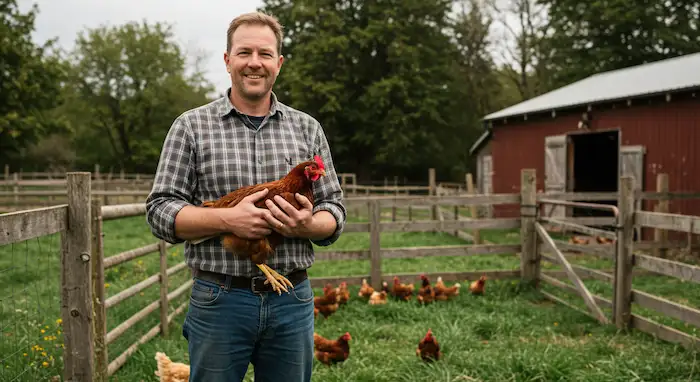
Chickens were the first livestock we ever kept at Carter Farmstead. My Dad raised them long before I started managing my own flock, and over the years I’ve raised chickens from incubator-hatched chicks, bought day-old chicks from hatcheries, picked up pullets from local breeders, and even taken chances on mature hens that came with more surprises than eggs.
The biggest problem for new chicken owners isn’t finding information. It’s finding too much of it. Backyard chickens are not complicated, but they are unforgiving of a few specific mistakes. Housing that’s too small. Predator protection that’s too weak. Poor planning around feed costs, water systems, and daily routines.
At Carter Farmstead, I don’t look at chickens as a backyard hobby or decoration. I look at them as animals that need the right setup and daily care. Whether you want fresh eggs for the kitchen, home-raised meat for the freezer, or a small flock that does both, I’ll show you what has worked for me over the years.
Along with hands-on experience, I’ve also spent plenty of time learning from trusted poultry resources. One book that has earned a permanent spot on my shelf is Storey’s Guide to Raising Chickens (check on Amazon). It covers breeds, housing, feeding, flock health, and day-to-day management in a practical way that’s easy for beginners to follow.
The 8 Steps I Follow When Raising Chickens at Home
No matter what your goals are, successful chicken keeping usually comes down to the same core principles. These eight steps are the approach I follow when setting up and managing a flock, and they’ll help you avoid many of the mistakes that cause problems down the road, improve flock health, and increase the lifespan of your birds.
1. Decide Whether Chicken Keeping Is Right for You
Before bringing home your first chickens, make sure chicken keeping actually fits your property, schedule, and local rules. Chickens do not require hours of work every day, but they do need consistent care. Feed and water must be checked daily, eggs collected regularly, and the coop secured every evening. A frozen waterer in winter, a loose fence panel, or a predator testing the run can quickly turn a simple chore into an unexpected job.
At Carter Farmstead, chickens have always fit into a busy routine rather than a perfect farm schedule. Some days take only a few minutes. Other days involve repairing a latch, dealing with bad weather, or tracking down a bird that decided the grass on the other side of the fence looked better. The work is manageable, but it cannot be ignored for long.
It’s also worth checking local ordinances, HOA restrictions, and flock-size limits before buying birds. Most backyard chicken problems start long before the first chick arrives. They start when people underestimate the commitment, skip the planning stage, or assume every property is automatically suitable for a flock. A little preparation upfront makes raising chickens much easier later.
2. Choose the Right Chicken Breed
As I’m writing this, a white Leghorn hen is walking back and forth in front of me. She should be laying an egg later today, but right now she’s more interested in scratching through the grass and hunting for something edible. That’s one thing chickens do well. They rarely read the plans you make for them.
The biggest mistake beginners make is choosing breeds based on color, appearance, or whatever happens to be available at the local feed store. Start with your goal instead. Decide whether you want eggs, meat, or a little of both, then choose birds that match that goal.
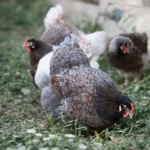
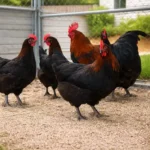
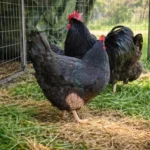
If your main goal is to raise chickens for eggs, breed selection becomes much more important. I keep White Leghorns and Australorps, because both have proven to be reliable layers. The Leghorns earn their place because they are dependable egg machines. They aren’t the friendliest birds in the flock, but they make up for it with production.
The Australorps are calmer, easier for beginners to manage, and still produce a strong number of eggs each year. Rhode Island Reds are another solid choice if your goal is a steady basket of eggs and a hardy bird that handles different weather conditions well.
For meat, keep dedicated meat birds in separate batches rather than expecting laying hens to fill the freezer. Cornish Cross birds reach processing size quickly and are the practical choice if your main goal is home-raised chicken meat. They grow fast, eat heavily, and work best when raised with a clear processing plan from the beginning.
If I were helping a complete beginner build their first flock today, I would probably skip specialty breeds altogether and start with four to six Rhode Island Reds, Australorps, Plymouth Rocks, or Sussex.
These birds are forgiving, productive, and easier to manage than many of the breeds that get all the attention on social media. They produce a useful number of eggs, handle backyard conditions well, and give new chicken keepers room to learn without creating unnecessary problems.
Over the years, I’ve raised quite a few chicken breeds, and each one brought something different to the flock. Some were chosen for egg production, some for appearance, and others because they offered a good balance of both. The breeds below are among the ones I’ve covered in more detail on the site.
Chicken Breed
Main Feature
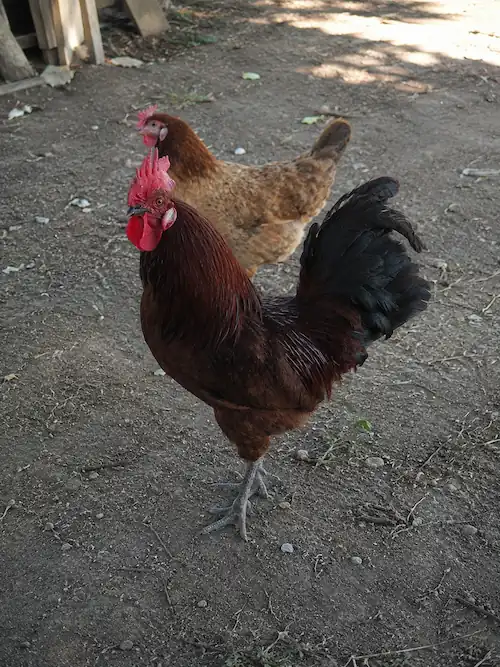
Rhode Island Red
Hardy dual-purpose breed known for excellent brown egg production
Famous for producing very dark chocolate-brown eggs
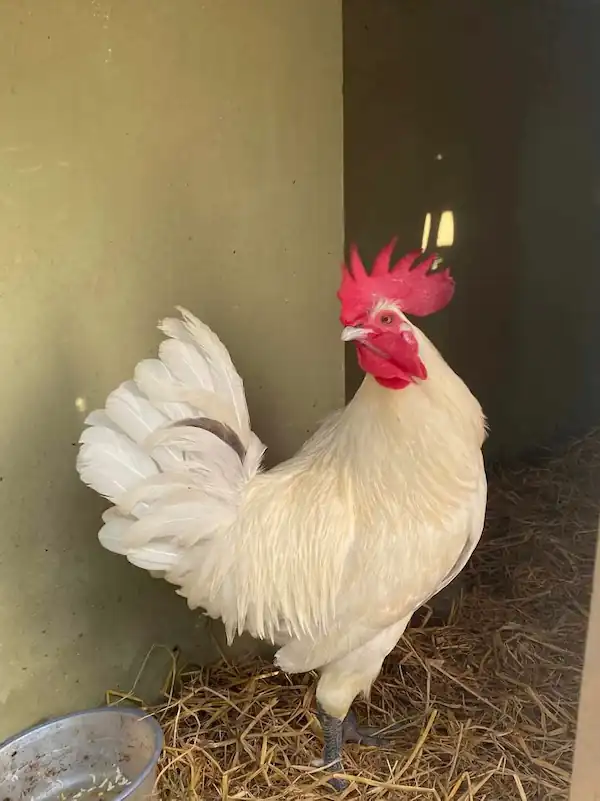
White Leghorn
One of the most efficient white egg-laying breeds
3. Build a Secure Coop and Run
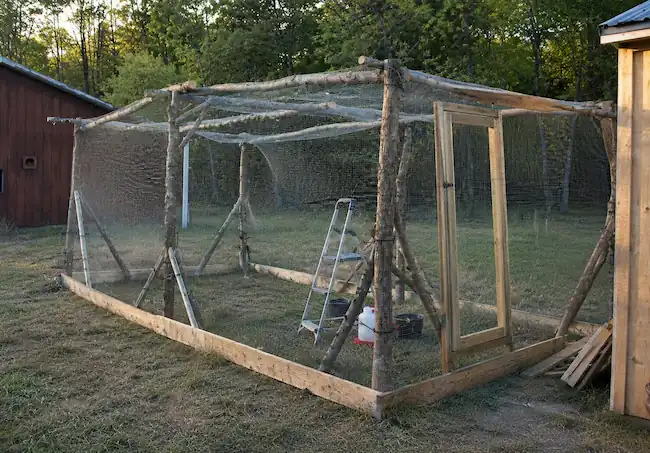
Once you’ve decided which chickens to raise, the next step is building a coop that keeps them healthy, productive, and alive. Breed selection matters, but housing mistakes usually cause problems much faster. A flock can tolerate a rainy day or a missed treat. It won’t tolerate poor ventilation, overcrowding, or a predator that finds a way inside the coop.
The coop and run should be finished before the first birds arrive. Feeders, waterers, bedding, nesting boxes, and predator protection are much easier to install when curious chickens are not constantly under your feet.
Space Requirements That Prevent Disease and Pecking
One of the easiest ways to create problems in a chicken flock is to give birds too little space. Most backyard coops sold online advertise the maximum number of chickens that can physically fit inside, not the number that can live there comfortably. A coop marketed for eight hens often works much better as a four- or five-hen coop once feeders, waterers, and nesting boxes are added.
For standard-sized breeds, I plan for at least 4 square feet of indoor coop space and 10 square feet of run space per bird. The exact space chickens need depends on breed size, confinement level, and whether they have access to free range.
If the birds spend most of their time confined, extra space pays for itself quickly. The flock stays cleaner, lower-ranking hens can avoid aggressive birds, and the run remains in better condition throughout the year.
Crowding creates a chain reaction that often starts with feather picking and bullying. As space becomes limited, broken eggs, egg eating, and wet bedding become more common, even though the root cause is often the housing setup rather than the birds themselves.
Build slightly larger than your current plans require. Chickens have a habit of multiplying after the first successful season.
Coop Design Essentials: Ventilation, Roosts, and Nesting Boxes
A good chicken coop doesn’t need fancy features, expensive materials, or a perfect farmhouse look. What it does need is to stay dry, provide fresh air, and give chickens a comfortable place to sleep and lay eggs.
One mistake I made early on was worrying too much about keeping cold air out and not enough about letting moisture escape. Chickens create a lot more humidity than most people expect through their breathing and droppings. When that moisture gets trapped inside the coop, bedding stays damp, windows start collecting condensation, and health problems become much more likely.
Fresh air should move through the coop without blowing directly onto roosting birds. That’s why ventilation openings work best above roost height. I keep a simple digital thermometer and hygrometer in the coop during winter because it only takes a quick glance to know whether conditions are staying where they should be.
For roosts, I use ordinary 2×4 boards with the wide side facing up. Chickens naturally sit on their feet while sleeping, and the wider surface lets them tuck their toes under their feathers on cold nights.
Nesting boxes are simple. One box for every three or four hens is usually enough. Place them in a quiet, darker part of the coop, add clean bedding, and let the hens decide which one they like best. More often than not, several hens will end up sharing the same favorite box anyway.
An automatic coop door (check on Amazon) is another upgrade worth considering. I use one in my setup, and its light-sensing opener handles the job automatically each morning and evening, which means one less thing to remember when life gets busy or you’re running late getting home.
4. Feed Your Chickens the Right Way
The feeding side of chicken keeping is usually much simpler than people make it sound. Most of my flock’s diet comes from a quality layer feed, and I make sure my chicken feeders never stay empty for long. For laying hens, a feed with around 16% protein and added calcium is the standard starting point and works well for most backyard flocks.
I also keep oyster shell available in a separate container. The hens take it when they need it, especially during heavy laying periods. If birds spend most of their time in a run instead of free-ranging, I provide grit as well to help them break down food properly.
The chickens get kitchen scraps too, but I don’t treat scraps as a replacement for feed. Vegetable trimmings, weeds from the garden, and the occasional fruit usually disappear quickly around here. The balanced feed still does the heavy lifting, while scraps are just a bonus that helps cut down waste and gives the flock something to peck through.
I follow a simple 90/10 approach with my flock: about 90% of their diet comes from a balanced commercial feed, while the remaining 10% comes from treats, kitchen scraps, and whatever they pick up while foraging. That balance gives the birds some variety without turning treats into the main part of the diet. When scraps start replacing too much of the regular feed, egg production and overall condition are usually the first things I notice slipping.
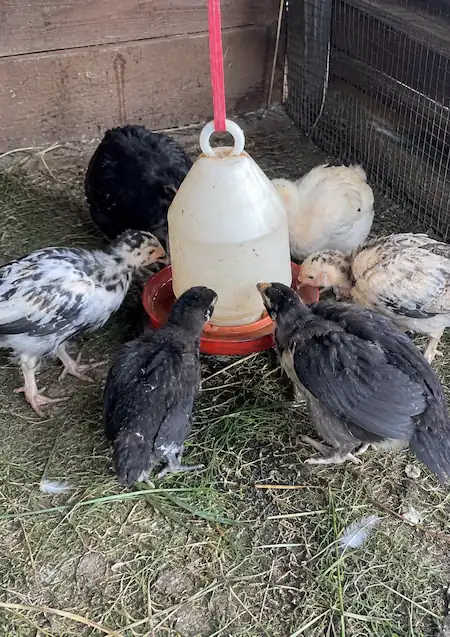
Fresh water matters just as much as feed. I’ve had days where a full feeder wasn’t a problem, but a frozen or empty waterer immediately affected the flock’s behavior. Feed gets most of the attention, but water is the thing I check first every single day.
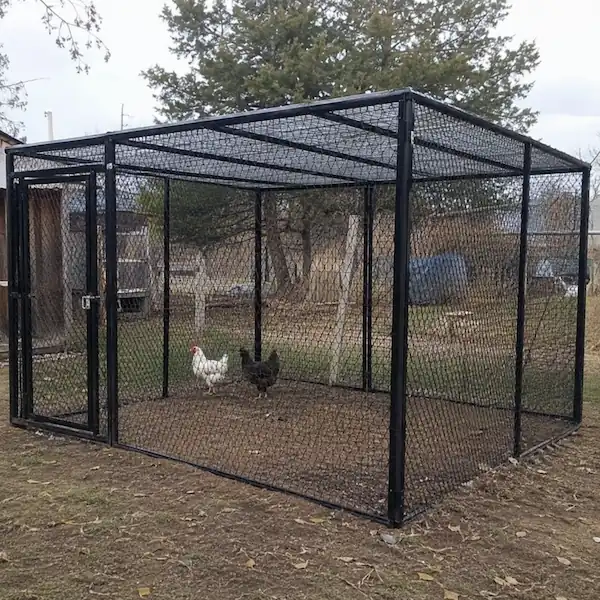
Predator protection should be planned from the beginning, not added after a problem appears. Chicken wire is one of the most misunderstood materials in backyard poultry keeping. It helps contain chickens, but it does very little to stop determined predators.
Every window, vent, and run opening in my setup uses ½-inch hardware cloth instead. The difference in strength is substantial, and it provides far better protection against raccoons, rats, snakes, and other common threats.
Digging predators create a second challenge. Foxes, dogs, coyotes, and similar animals rarely try to climb through a fence if they can tunnel underneath it instead. A buried hardware-cloth apron extending 12 to 18 inches outward around the perimeter makes digging far more difficult and protects one of the most vulnerable areas of the run.
Locks matter just as much as fencing. A basic slide bolt may stop a chicken from pushing a door open, but raccoons are surprisingly capable problem-solvers. Every exterior access point should use a secure latch such as a spring-loaded eye hook, locking carabiner, or similar hardware that requires more than a simple pull to open.
I place most latches around shoulder height rather than near ground level. It makes daily chores easier and reduces opportunities for predators to manipulate hardware close to the fence line.
6. Manage Daily and Seasonal Care for Your Chickens
Raising chickens works best when the day-to-day tasks become automatic rather than something you need to think through each time. Most of the work comes down to a few repeat actions that keep the flock stable and prevent small issues from building up.
My Morning and Evening Routine
I usually start the morning by opening the coop. The birds are already waiting most days, so I check water first, top up feed, and take a quick look around the run to see if anything looks out of place.
While they’re active, I collect eggs and do a quick visual check on the flock. Nothing complicated, just enough to notice if a hen is acting differently or staying away from the group.
In the evening, I close things down. The chickens usually return to the coop on their own as it gets dark. I refill water if needed, clear out any wet bedding or leftover scraps, and make sure every latch is secure before night.
Even with an automatic door, I still do a final headcount. That’s usually when small issues become noticeable.
Weekly and Seasonal Maintenance
Once a week, I go through the nesting boxes and reset them. If they’re heavily used, I replace the bedding fully; otherwise, I just refresh and level it.
The coop floor needs regular attention, especially around the chicken waterer where moisture builds up first. If you ignore it, ammonia starts to develop and the environment can decline quickly.
Seasonal changes matter more than most beginners expect. In winter, my focus shifts to keeping bedding dry and maintaining airflow without drafts, along with managing frozen water.
In summer, the priority is shade, ventilation, and constant water access. Heat affects chickens quickly, so adjustments need to happen early rather than after stress shows up.
Raising Chickens Through Seasonal Cycles
After a few years with chickens, the year starts to feel predictable in terms of flock behavior rather than weather.
Spring usually brings new birds and higher predator pressure, which is when I focus on coop checks, fencing, and general cleanup after winter.
Summer brings the highest feed and water demand, along with a natural dip in egg production during peak heat. The flock tends to slow down during the hottest part of the day and stay in shaded areas.
Fall is when molting begins, and egg production drops while feathers are replaced. I shift feed slightly to support recovery during this phase.
Winter is about stability more than output. As long as the coop stays dry, water doesn’t freeze, and the routine stays consistent, the flock handles cold weather without much issue.
7. Monitor Chicken Health and Prevent Diseases
Most health problems don’t show up overnight. A chicken that normally races to the feeder but suddenly stands off by itself is usually telling you something. The same goes for a hen that stops laying, keeps her eyes half closed, or spends most of the day puffed up in a corner. The birds that worry me most are often the quiet ones.
Respiratory Problems and Parasites
Breathing issues are among the most common problems in backyard flocks. If a chicken starts making unusual breathing sounds, develops bubbly eyes, nasal discharge, or loses interest in feed, I pay attention immediately. Respiratory diseases can spread through a flock much faster than many beginners realize.
Parasites are easier to manage when they’re caught early. Every so often, I pick up a bird and check around the vent area for mites and around the head and neck for lice. Chickens that suddenly look scruffy, lose feathers, or seem restless at night are often worth inspecting more closely.
Internal worms can also become an issue, especially in birds that spend a lot of time on the same ground. Weight loss, poor condition, and worms showing up in droppings are usually signs that something needs attention.
Egg Problems and Crop Issues
Soft-shelled eggs usually point toward a calcium problem. Rather than throwing eggshells away, I bake them, crush them, and offer them in a separate container alongside oyster shell. The hens take what they need without much waste.
Egg binding is another problem every chicken keeper should recognize. A hen may strain, walk awkwardly, isolate herself from the flock, or spend long periods sitting without laying. Some mild cases improve with warmth and supportive care, but a bird that continues struggling needs attention quickly.
Crop problems are fairly common as well. A hard crop first thing in the morning can suggest an impaction, while a squishy crop with a sour smell often points toward sour crop. Both are easier to deal with when caught early rather than ignored for several days.
Quarantine New Birds Every Time
If there’s one shortcut I never recommend, it’s skipping quarantine. Any new chicken, whether it comes from a hatchery, breeder, auction, or a neighbor’s flock, stays separate before joining the main group. Mixing birds too quickly is one of the fastest ways to bring respiratory diseases, parasites, or other health problems into an otherwise healthy flock.
My routine is simple: separate housing, separate feeders and waterers, and no direct contact with the main flock for about 30 days. After that, I let the birds see each other through a fence or barrier before allowing supervised introductions. A month of patience is a lot cheaper than treating an entire flock.
Raising Chicks from Brooder to Coop
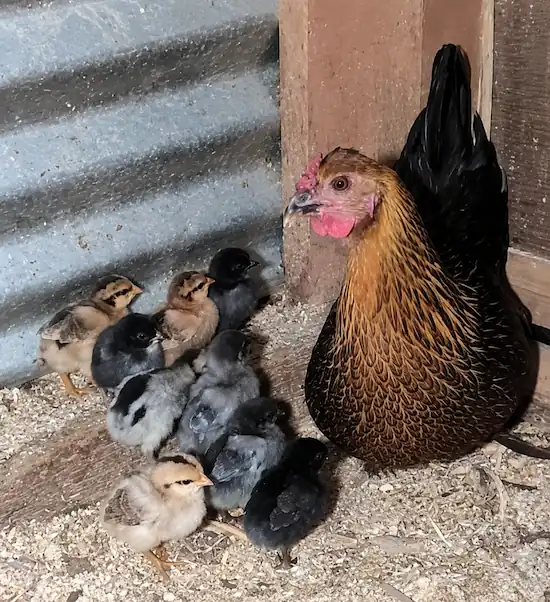
Raising baby chicks isn’t difficult, but the first few weeks leave very little room for mistakes. Temperature, clean water, proper feed, and enough space matter far more than expensive equipment.
I prefer brooder heat plates over heat lamps because they let chicks warm themselves when needed without adding the fire risk that comes with hanging heat bulbs.
The biggest mistake is rushing chicks outdoors before they’re ready. Every batch develops at a slightly different pace, so I pay more attention to feather growth and weather conditions than a calendar. Fully feathered chicks can handle cooler temperatures much better than fluffy chicks that still depend on supplemental heat.
This is the same general timeline I follow when moving chicks from the brooder to the coop.
Increase brooder space, offer grit if feeding treats
Week 4
80°F (27°C)
Feather growth accelerates, short outdoor visits in warm weather
Week 5
75°F (24°C)
Prepare the coop and predator-proof the run
Week 6
70°F (21°C)
Most chicks tolerate cooler nights if well feathered
Week 7-8
65°F (18°C) then no heat
Transition to the outdoor coop if weather allows
When moving chicks outside, I keep them confined to the coop and attached run for several days before allowing any extra freedom. That gives them time to learn where home is and makes the transition much smoother.
Chickens in Our Backyard Ecosystem
One thing I like about keeping chickens is that very little goes to waste. Our kitchen scraps supplement the flock’s diet, the manure gets composted, and the finished compost goes back into the garden to grow the next season’s crops.
I never put fresh manure directly onto garden beds. It goes into the compost pile first and ages properly before being used around plants.
When I need to clear insects or work over a patch of ground, the chickens are surprisingly useful. A portable run or chicken tractor lets them scratch, hunt bugs, and loosen soil without turning the entire yard into a dust bowl.
The Actual Cost of Raising Chickens
The birds themselves were one of the smaller purchases in my first flock. By the time the coop was finished, the run was fenced, feeders were hanging, and hardware cloth covered every opening, the budget looked very different from what I had originally planned. Most new chicken keepers discover the same thing: chickens are affordable, but the setup around them isn’t always.
The first year is usually the most expensive because you’d need to build the coop, buy feeders and waterers, set up feed storage, and get all the basic equipment in place. As the flock grows, you’ll likely replace a few cheap purchases with better ones, upgrade parts of the setup, and fix things that don’t hold up as expected.
In most cases, the housing and equipment end up costing far more than the chickens themselves. After the setup is complete, costs become much more predictable.
Typical First-Year Costs for a Six-Hen Backyard Flock
Expense Category
Initial Cost (USD)
Monthly Cost (USD)
Coop and Run Construction
$400–$1,500
—
Predator-Proofing Materials
$100–$300
—
Brooder Setup (Chicks Only)
$75–$200
—
Feeders and Waterers
$40–$120
—
Initial Birds (6 Chicks or Pullets)
$30–$180
—
Bedding and Litter
$20–$50
$10–$20
Layer Feed
—
$15–$30
Oyster Shell and Grit
$15–$25
$2–$5
Healthcare and First Aid
$25–$75
$3–$10
Utilities and Miscellaneous
—
$5–$15
Looking at the expenses above, a typical backyard flock of six hens will usually require somewhere between $700 and $2,500 during the first year, depending on whether you build the coop yourself or purchase a pre-built setup. Most of that money goes toward infrastructure such as the coop, run, predator-proofing materials, feeders, and waterers that should last for many years rather than recurring expenses.
In my setup, those initial purchases accounted for the largest share of the budget. Once the housing was finished and the birds settled into their routine, the monthly costs became much easier to predict. For a small laying flock, I generally budget around $35 to $80 per month, with feed taking the largest share of that amount.
Most laying hens consume surprisingly little feed on a daily basis, but it adds up over a month. A flock of six hens typically goes through close to a 50-pound bag of layer feed every month, although that can vary with breed, season, forage availability, and whether the birds free-range. Feed prices also vary widely by region, with organic and non-GMO options often costing considerably more than conventional layer rations.
Beyond feed, the remaining monthly expenses usually come from bedding, oyster shell, grit, and the occasional replacement part or health-care supply.
The good news is that the most expensive purchases happen at the beginning. After the first year, most flock owners are mainly paying for feed, bedding, and routine maintenance rather than major infrastructure costs.
Will the Eggs Cover the Costs?
Eggs can offset part of the flock’s expenses, but they rarely pay for the entire setup during the first year. The coop, run, fencing, feeders, waterers, and other equipment account for most of the upfront spending, while chicks continue eating feed for months before laying their first egg.
Once the flock reaches full production, the numbers start looking better. Six productive hens can lay around 1,500 eggs per year, or roughly 125 dozen eggs. At that point, you’re spreading the cost of the coop and equipment across several years while mainly paying for feed, bedding, and basic upkeep.
Buying eggs from the store is almost always cheaper in the short term because raising chickens requires investment in housing, feed, bedding, and equipment. Over time, however, backyard chickens can become more cost-effective if you account for steady egg production and additional benefits like quality and self-sufficiency.
Chickens are sensitive to strong and harsh odors, especially ammonia from dirty bedding, as well as strong chemical cleaners, vinegar fumes, and citrus oils. These smells can irritate their respiratory system, so it is better to rely on proper cleaning and ventilation rather than masking odors.
Most beginners do best starting with around four to six chickens. That’s enough to give a steady egg supply while still being manageable if something goes wrong. Starting too large makes it harder to learn feeding routines, predator protection, and flock behavior, while starting too small can leave you disappointed if one bird gets sick or stops laying.
Yes, most chickens can stay outside during winter as long as they have a dry, draft-free coop and proper shelter from wind and moisture. Cold itself is rarely the main problem. Damp bedding, poor ventilation, and frozen water are what usually cause issues. Hardy breeds handle winter surprisingly well if their basic housing needs are taken care of.
They can, but only when conditions make it easy for rodents to show up. The main attraction is spilled feed, unsecured storage, and messy feeding areas. If feed is stored in sealed containers, scraps are managed properly, and the coop is kept clean, rat problems are usually avoidable rather than inevitable.
David Carter, founder of Farmstead Guide, has over 20 years of hands-on homesteading experience. From raising poultry to practicing sustainable farming, he shares practical tips and insights to help others live a more self-sufficient lifestyle.