I started raising chickens because I wanted fresh eggs, not another expensive hobby. What caught me off guard was how often people made it sound easier than it really is. Most advice skips over the real costs, the daily work, and the mistakes that can wipe out your flock before you ever fill an egg basket.
I learned some of those lessons the expensive way. A single zoning rule can force you to get rid of your hens. A poorly built coop can cost you birds in one night. Buying the wrong breeds or equipment can leave you spending far more than you planned while still waiting for your first egg.
If your goal is fresh eggs, lower grocery bills, or a little more self-sufficiency, it’s worth knowing what you’re getting into before bringing home your first chicks. Egg chickens aren’t difficult to keep once everything is set up properly, but they still need daily care, ongoing expenses, and a setup that keeps them safe from predators and bad weather.
Everything I share comes from raising laying hens, making expensive mistakes, and figuring out what actually works over time. If I could start over, there are plenty of things I’d do differently. Hopefully, those lessons will save you money, help you keep a healthy flock, and make it far more likely that your hens are still filling the egg basket long after the excitement of bringing them home has worn off.
Choosing Your First Flock: Breeds, Pullets, and Where to Buy
The chickens you buy will have a bigger impact on your egg basket than most beginners realize. Start with the wrong birds, and you could spend months waiting for eggs, dealing with health problems, or wishing you had picked a different breed.
Why I Recommend Pullets Instead of Chicks
If your goal is fresh eggs as soon as possible, I’d skip day-old chicks and start with pullets instead. A pullet is a young female chicken that hasn’t started laying eggs yet. Most are around 16 to 20 weeks old, which means your first eggs could arrive within a few weeks instead of waiting five or six months.
That shorter wait isn’t the only reason I prefer pullets. Day-old chicks need a brooder, which is a warm indoor setup where they live until they’re old enough to move outside. You’ll need a heat source, careful temperature management, and daily monitoring during those first weeks.
It’s not difficult once you learn it, but it’s one more thing that can go wrong when you’re already trying to figure everything else out.
The only time I’d recommend chicks is if you want the experience of raising them from day one, you’re buying a rare breed that’s hard to find as older birds, or you’re doing it as a family project with children. If your main goal is collecting eggs, pullets get you there with far fewer headaches.
If you’re raising chickens mainly for eggs, start with 16-week-old pullets. You’ll avoid the brooder stage and usually collect your first eggs within a few weeks.
Choose Breeds That Fit Your Lifestyle
There isn’t one perfect egg-laying breed for everyone. The best choice depends on where you live, how much space you have, and what you expect from your flock.
If You Live in a City
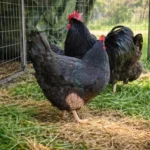
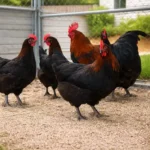
If I had a small backyard with close neighbors, I’d choose Black Australorps or Buff Orpingtons. Both are generally calm, fairly quiet, and reliable egg layers. Australorps usually produce around 250 to 300 light brown eggs a year, while Buff Orpingtons lay about 200 to 280 brown eggs. They also handle confinement better than many more active breeds.
If You Have a Family
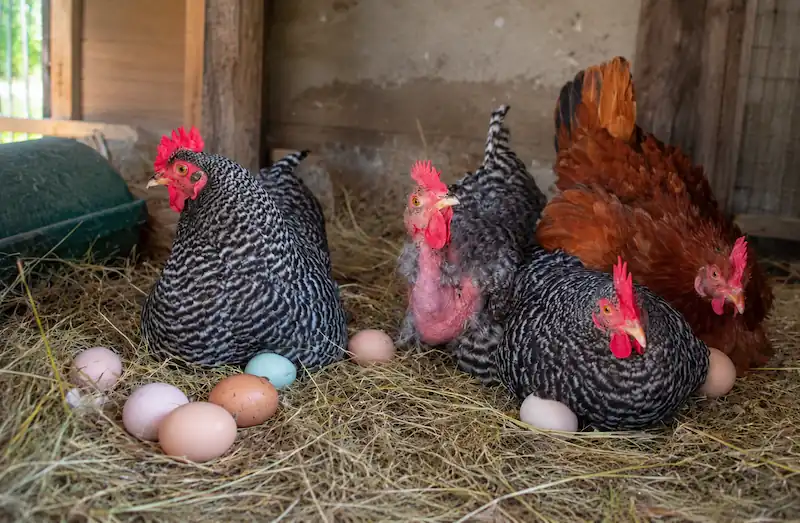
For families with children, I’d go with Buff Orpingtons or Barred Plymouth Rocks. They’re easy to handle, have calm personalities, and lay a steady supply of brown eggs. If collecting eggs is your main goal, these breeds give you a good balance between production and a friendly temperament.
If You Have Cold Winters
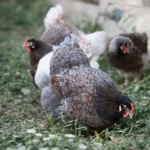
If you deal with long, freezing winters, I’d recommend Blue Laced Red Wyandotte chickens or Barred Plymouth Rocks. Blue Laced Red Wyandottes have dense feathering and a rose comb, which is much less likely to suffer frostbite than the large single comb found on many other breeds.
If you’re comparing cold-hardy breeds, Silver Laced Wyandotte chickens are another excellent choice. They share the same cold tolerance and dependable laying ability, making them a good fit for areas with long winters.
No matter which breed you choose, I wouldn’t chase the highest egg numbers alone. A hen that’s well suited to your climate will usually stay healthier, live longer, and give you a more dependable supply of eggs than a breed that’s constantly struggling with the weather.
Buy Birds from a Reliable Source
Where you buy your chickens matters just as much as which breed you choose. Whenever possible, I buy from an NPIP-certified hatchery. NPIP stands for the National Poultry Improvement Plan. It means the breeding flock has been tested for diseases such as pullorum and fowl typhoid, which lowers the risk of bringing sick birds home.
You should be careful with birds sold at swap meets, roadside markets, or random online listings if you can’t verify where they came from. A cheap chicken isn’t a bargain if it introduces disease to your flock.
One mistake I see beginners make is ordering birds before their coop is finished. I always make sure the coop, run, feeders, waterers, and fencing are completely ready before bringing chickens home. It makes those first few days much less stressful for both you and the birds.
Don’t Choose a Breed Just for Egg Color
Blue, green, chocolate, and olive eggs look great in photos, but egg color doesn’t tell you how productive a hen will be.
Pay more attention to whether a breed can handle your climate, stay healthy, and lay consistently throughout the year. A dependable hen that gives you hundreds of brown eggs is usually a better investment than one that lays beautiful colored eggs only occasionally.
At the end of the day, healthy hens that suit your climate will almost always fill your egg basket more reliably than birds chosen simply because their eggs look different.
Build a Coop That Keeps Hens Safe and Laying
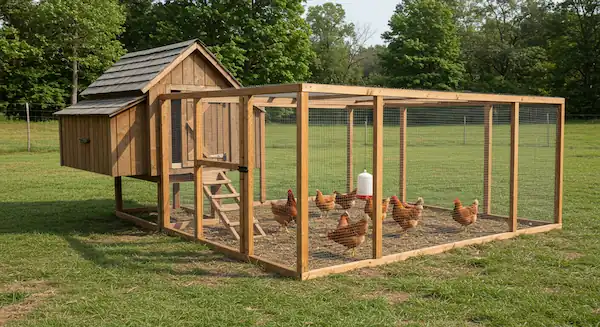
A fancy coop won’t make your hens lay more eggs. A safe, dry, and uncrowded one will. If you’re building a chicken coop, start by giving your flock enough room. Plan for at least 4 square feet of coop space and 10 square feet of run space per hen. If you’re unsure about the space chickens need, it’s always better to build slightly larger than you think you’ll need. Overcrowding is one of the fastest ways to create problems. Stressed hens are more likely to feather peck, bully each other, and slow down or even stop laying eggs.
Predator protection is where many beginners make an expensive mistake. Chicken wire keeps chickens in, but it won’t stop determined predators from getting in. After replacing chicken wire with ½-inch hardware cloth, I stopped worrying about raccoons reaching through the fencing or predators digging under the coop. Burying a hardware cloth apron around the perimeter adds another layer of protection.
Good ventilation matters just as much as security. Fresh air helps remove moisture and ammonia, but avoid creating drafts where the hens sleep. Provide one nesting box for every three to four hens and position the boxes lower than the roost bars. A roost bar is the raised perch where chickens sleep at night. Keeping the nesting boxes lower encourages hens to lay their eggs there instead of sleeping inside them.
Cleaning doesn’t have to become a weekly chore either. The deep litter method uses a thick layer of pine shavings that is turned regularly instead of being removed all the time. I’ve found it saves hours of cleaning over the year while helping control moisture and odors when managed properly.
If building your own coop isn’t practical, a well-built predator-resistant model can be a worthwhile investment. The goal isn’t an expensive coop. It’s one that keeps your hens safe, comfortable, and laying consistently.
Collect and Store Eggs the Right Way
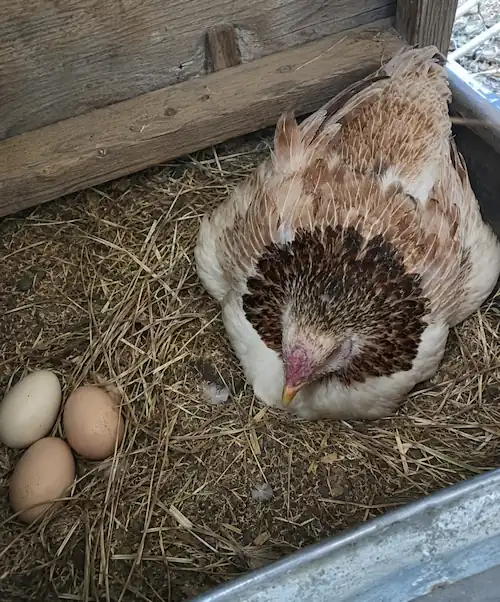
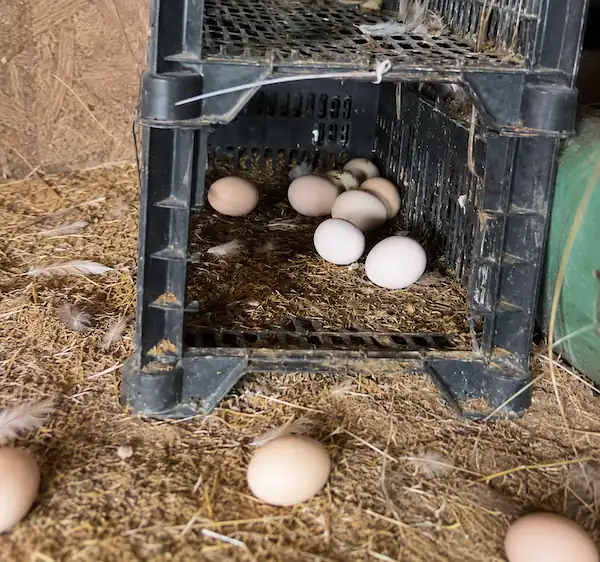
Collect eggs at least once a day. During hot weather or freezing temperatures, checking the nesting boxes twice a day is even better. Regular collection keeps eggs cleaner, reduces the chance of cracked shells, and discourages hens from becoming broody, which means they stop laying and try to hatch eggs instead.
Freshly laid eggs have a natural protective coating called the bloom, also known as the cuticle. It helps seal the shell and slows bacteria from entering. That’s why I leave clean eggs unwashed until I’m ready to use them.
If an egg is muddy or covered in droppings, wash it with warm water, not cold. Cold water can pull bacteria through the shell. Once washed, dry the egg and refrigerate it right away because the protective bloom has been removed.
Pay Attention to Unusual Eggs
Every flock produces an odd egg now and then. Soft shells, tiny eggs, or misshapen eggs aren’t always a reason to worry, especially when young hens have just started laying.
If those problems become common, it’s time to investigate. Calcium deficiency, stress, illness, or poor nutrition can all affect shell quality and egg production. A pattern is far more important than a single unusual egg.
Store Eggs Properly
Keep eggs at a consistent temperature once they’re refrigerated. Frequent temperature changes can shorten their storage life.
Store them with the pointed end facing down, which helps keep the yolk centered and preserves freshness. Clean, unwashed eggs generally stay fresh longer than washed eggs because the natural bloom remains intact.
The Real Cost of Raising Chickens for Eggs
If you’re raising chickens to save money on eggs, don’t expect to break even right away. Fresh eggs are a great bonus, but the first year is usually the most expensive.
Most of the money goes into one-time purchases. The coop, run, feeder, waterer, nesting boxes, fencing, and predator protection cost far more than the chickens themselves. If you start with chicks instead of pullets, you’ll also need a brooder, heat source, and extra supplies for their first few weeks.
The monthly costs are easier to manage. An average laying hen eats around 8 to 10 pounds of layer feed each month. You’ll also need fresh bedding, grit to help the birds digest their food, and oyster shell, which provides the calcium hens need to produce strong eggshells.
When Do Chickens Pay for Themselves?
The answer depends on why you’re keeping them. If you’re comparing backyard eggs with the cheapest cartons at the grocery store, the numbers often don’t work in your favor, especially during the first year. But if you’re comparing them with high-quality free-range or pasture-raised eggs, the gap becomes much smaller over time.
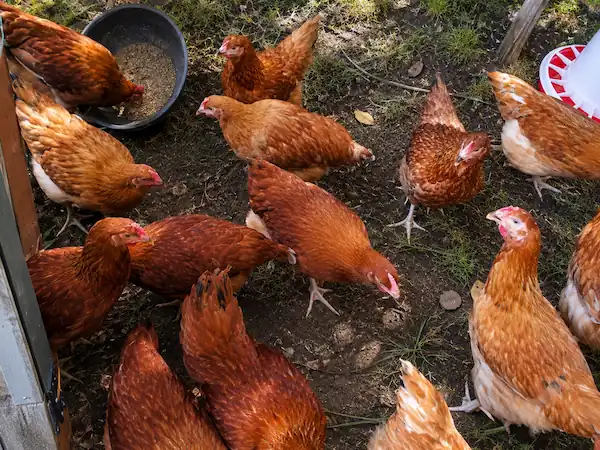
A flock of three to five hens is often enough for a small family and is usually easier to manage than keeping a dozen birds. You’ll spend less on feed, need a smaller coop, and still collect enough eggs for everyday use without ending up with more than you can eat.
I look at backyard eggs as more than a way to cut grocery costs. They give me fresh eggs I can trust, control over how my hens are raised, and the satisfaction of collecting breakfast from my own backyard. Any money saved simply becomes an added bonus.
Feed for Eggs, Not Just Full Crops
What your hens eat shows up in the egg basket. Even the best laying breed won’t produce consistently if its diet is out of balance.
A quality layer feed should make up most of their diet once hens begin laying. Look for a feed that contains around 16% protein along with added calcium to support steady egg production and strong shells. Scratch grains, kitchen scraps, and treats are fine in moderation, but I keep them below 10% of the overall diet. Too many treats fill hens up without giving them the nutrients they need to lay well.
If you’re unsure about choosing the right feed or safe treats, see my complete guide on what to feed chickens.
Don’t Forget Grit, Oyster Shell, and Clean Water
Feed alone isn’t enough. If your hens spend most of their time in a run, offer insoluble grit, which helps them grind food in the gizzard. Keep oyster shell available in a separate container so each hen can consume the calcium she needs for strong eggshells.
Fresh water deserves just as much attention as feed. I refill waterers every day and clean them often, especially during hot weather when algae can build up quickly. It’s surprising how fast egg production can drop if hens don’t have enough clean water.
Save Feed Instead of Feeding the Rodents
Feed wasted on the ground doesn’t just cost money. It also attracts rats, mice, and wild birds. An automatic feeder can reduce spillage and keep feed cleaner, particularly if you’re away from home during the day.
Whichever feeder you use, place it somewhere dry and sheltered to prevent the feed from becoming damp or moldy.
The Daily Routine Is Simpler Than Most People Expect
Once everything is set up, daily care doesn’t take long. Most mornings, the routine is simply checking feed and water, collecting eggs, and giving the flock a quick health check. In the evening, I make sure every hen has returned to the coop before locking it for the night.
Once a week, I spend a little more time turning the litter, checking fences for signs of digging predators, and making sure feeders and waterers are still in good condition. Those small checks often prevent much bigger problems later.
Keep Your Hens Healthy and Laying
Healthy hens are productive hens. One sick bird can affect the whole flock, so it’s worth spending a few minutes each day simply watching how your chickens behave.
A healthy hen is active, alert, and eager to eat. If one starts standing alone, looks unusually sleepy, eats less than normal, or produces abnormal droppings, take a closer look. Small changes are often the first sign that something isn’t right.
One habit that’s helped me is keeping a simple coop journal. I note daily egg numbers, unusual behavior, and anything that changes with feed or weather. Looking back at those notes makes it much easier to spot patterns before a minor problem turns into a bigger one.
Watch for the Most Common Health Problems
External parasites like mites and lice can make hens restless and reduce egg production. Respiratory problems often show up as sneezing, wheezing, coughing, or nasal discharge. Another condition to know is egg binding, where a hen struggles to pass an egg.
If you notice a hen straining, acting weak, or sitting puffed up for long periods, don’t ignore it. Early treatment gives her the best chance of recovery.
Always Quarantine New Chickens
Never add new birds straight into your existing flock. Keep them in a separate area for about 30 days so you can watch for signs of illness or parasites before they mix with your other hens. Skipping quarantine is one of the quickest ways to spread disease through an otherwise healthy flock.
Keep a Basic First Aid Kit Ready
You don’t need a cabinet full of supplies, but a few essentials can save valuable time. I keep wound spray, saline, poultry electrolytes, disposable gloves, and a small crate ready in case a hen needs to be isolated. Hopefully, you’ll rarely use them, but when something goes wrong, you’ll be glad they’re already on hand.
Start Right, and the Eggs Will Follow
Raising chickens for eggs isn’t difficult, but it does reward good planning. Before you think about collecting your first egg, make sure you’ve covered the basics. Check your local regulations, build a predator-proof coop with hardware cloth, choose healthy pullets from a reputable source, and feed them a balanced layer diet. Those decisions will have a much bigger impact on your success than buying the latest gadgets or the most expensive coop.
You’ll almost certainly make a few mistakes. Everyone does. The goal isn’t to avoid every setback. It’s to avoid the expensive ones. Start with a small flock, build a safe setup, and focus on giving your hens what they need. If you get those basics right, the fresh eggs will take care of themselves.
David Carter, founder of Farmstead Guide, has over 20 years of hands-on homesteading experience. From raising poultry to practicing sustainable farming, he shares practical tips and insights to help others live a more self-sufficient lifestyle.