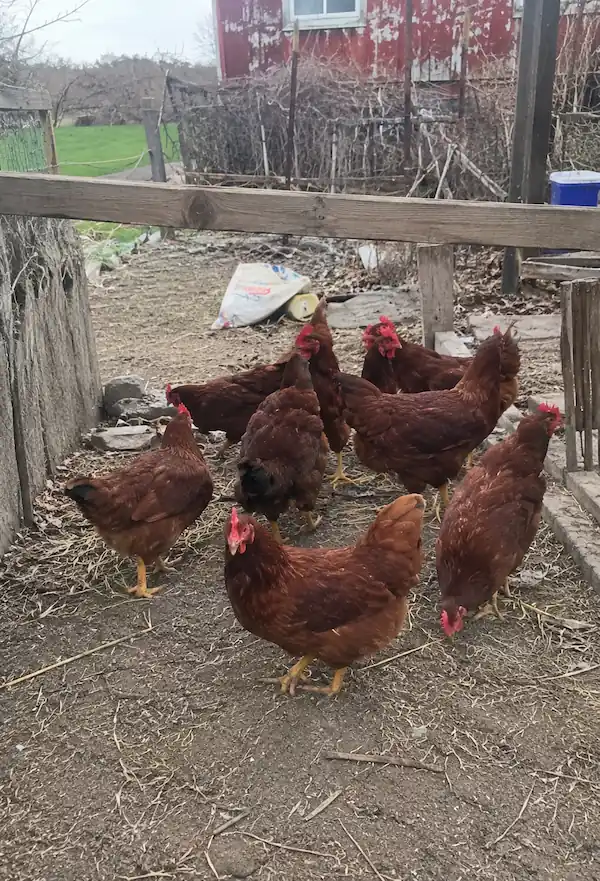
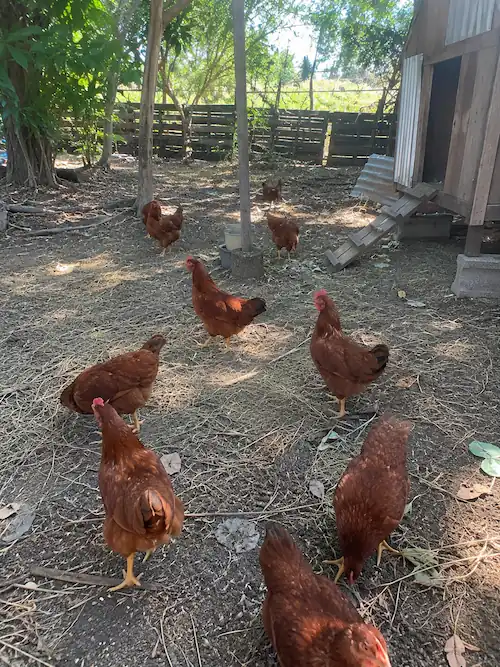
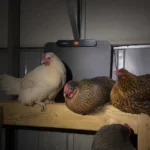
When I first started keeping chickens, choosing the right breed felt overwhelming. After trying a few options, I found the Rhode Island Red chicken to be one of the most reliable and beginner-friendly choices. Nowadays, our Carter Farm is full of these red guys and girls.
Whether you’re raising Rhode Island Red chicks, growing out Rhode Island Red pullets, or looking for a productive Rhode Island Red hen, they consistently deliver strong egg production and adapt well to different backyard setups.
Many people struggle with finding the right birds or knowing where to buy Rhode Island Red chickens. I’ve been through that process myself, and with the right approach, it becomes much simpler to choose healthy birds and avoid common mistakes.
If you’re considering heritage Rhode Island Red chickens or exploring options like hatching eggs, having a clear understanding upfront is essential. With the right setup and care, these birds can easily become the backbone of a productive and low-maintenance backyard flock.
History and Heritage: Unveiling the Rhode Island Red Legacy
Since these birds have become such a core part of my flock, I got curious about where they actually came from, and their story is just as practical as the breed itself.
The Rhode Island Red chicken traces back to the late 1800s in Little Compton, Rhode Island. Farmers at that time weren’t looking for fancy birds; they needed something tough, productive, and reliable. By carefully crossbreeding different chickens, they developed a bird that could handle harsh conditions while still producing a steady supply of eggs and decent meat.
That’s why this breed is known as a true dual-purpose chicken. A Rhode Island Red hen lays consistently, and the birds also grow well enough to be useful for meat. For small farms and backyard keepers, that balance made them incredibly valuable and honestly, that’s still true today.
As their reputation grew, the breed was officially recognized by the American Poultry Association in the early 1900s. From there, Rhode Island Reds quickly became one of the most popular chickens in the United States. Even today, many agricultural universities and extension programs still refer to them as a dependable, beginner-friendly breed because of their hardiness and productivity.
Knowing this background makes it easier to understand why they perform so well in modern backyard setups; they were built for exactly this kind of job.
Characteristics & Temperament of Rhode Island Red Chicken
Once you know where Rhode Island Reds come from, it becomes much easier to understand how they look and behave in a real backyard setup. These birds were bred for function first, and you can clearly see that in both their appearance and personality.
Physical Characteristics
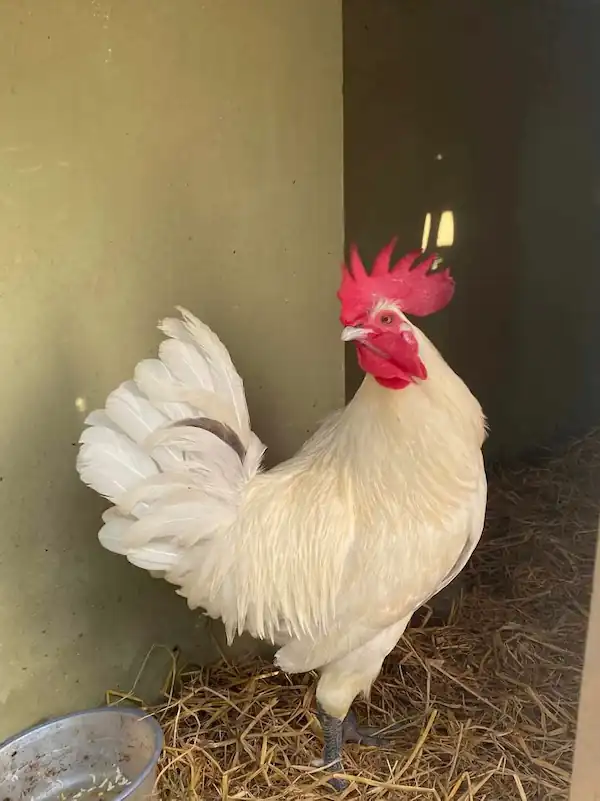
Rhode Island Reds have a very distinct and easy-to-recognize look. Their feathers are usually a deep mahogany or rich rust-red color, often with black showing in the tail and sometimes on the wing tips. In sunlight, that color really stands out, which is one reason many backyard keepers like them. You’ll also notice two comb types:
Single comb (more common): Upright and classic-looking
Rose comb: Flatter and better suited for colder climates since it’s less prone to frostbite
Their body shape is solid and rectangular, not slim or delicate. This tells you right away they’re a strong, active, dual-purpose bird, not just bred for looks.
Now, one thing I’ve seen confuse a lot of beginners is mixing them up with New Hampshire Reds. They look similar at first glance, but there are small differences:
Rhode Island Reds have a darker, deeper red color
New Hampshire Reds are usually lighter, more orange-toned
RIRs tend to have a slightly more rectangular and heavier build
If you’re planning to buy pure birds, especially when looking for Rhode Island Red chicks or pullets, these details help you avoid ending up with crosses.
Temperament
In day-to-day life, Rhode Island Reds are active, alert, and always busy. They love to forage, explore, and stay engaged with their surroundings. If you like a lively flock, you’ll enjoy having them around.
They do have a bit of a confident personality. In most flocks, they tend to sit somewhere in the middle or slightly higher in the pecking order. That said, they’re not overly aggressive; they just know how to hold their ground.
For families, they can be a good fit, especially if handled early. When I raised my Rhode Island Red chicks at our farm, I made a habit of gently handling them from a young age, and it made a noticeable difference. As adults, they were much calmer and easier to manage.
If you’re adding them to an existing flock, take it slow. Rhode Island Reds adjust well, but like any breed, sudden introductions can cause stress or pecking. A simple method that works:
Keep new birds in a separate but visible enclosure for a few days
Let both groups get used to each other safely
Gradually allow supervised interaction
Myth vs. Reality: Are They Aggressive?
You’ll often hear people say Rhode Island Reds are aggressive, but that’s only partly true. The reality is, their behavior depends a lot on how they’re raised and managed. From what I’ve seen and what many other keepers report, they’re:
Confident, not hostile
Active, not chaotic
Assertive, but manageable
Some birds may be more dominant than others, but that’s true for almost any breed. Overall, most owners appreciate them for their personality, toughness, and reliability.
Where to Buy Rhode Island Red Chickens
If you want to buy Rhode Island Red chickens, the most reliable option is to go through licensed hatcheries or local farm supply stores. In the USA, major hatcheries like Murray McMurray Hatchery, Cackle Hatchery, and similar suppliers ship day-old chicks directly to your nearest post office, usually in spring and early summer when shipping conditions are safe.
You can also find Rhode Island Red chicks, hens and roosters through local feed stores or rural farm outlets. Big retailers like Tractor Supply Co. often bring in seasonal chicks, but availability depends on location.
Typical Price Range
Prices vary depending on age and type:
Rhode Island Red chicks: around $2 to $7 per chick depending on quantity and hatchery
Started pullets (young hens ready to lay soon): around $30 to $40+ per bird
Adult hens or breeding stock: can go higher depending on quality and heritage lines
Bulk orders: usually cheaper per bird when buying 25+ chicks
What to Look for When Buying
When selecting birds, always confirm:
Whether they are heritage Rhode Island Red chickens or commercial hybrids
Vaccination status (especially Marek’s disease protection)
Hatchery reputation and live arrival guarantee
Some sellers also offer Rhode Island Red chicken hatching eggs if you want to incubate your own flock or for small-scale breeding projects.
Overall, the safest approach is to start with a reputable hatchery if you are a beginner, then expand later once you understand your flock’s performance and behavior.
Rhode Island Red Chicks: From Brooder to Coop
Getting the Brooder Setup Right
Raising Rhode Island Red chicks is the stage where most beginners either get things right or run into avoidable problems. If you set up the brooder properly from day one, everything else becomes much easier. These chicks are hardy, but they still need the right heat, feed, and care early on to grow into strong Rhode Island Red pullets.
Essential Setup & Temperature Control
A simple brooder setup doesn’t have to be complicated, but it does need a few essentials: a safe container like a tote or stock tank, a reliable heat source such as heat lamp or plate, clean bedding, and easy access to feed and water.
Temperature control is the most important part. Start at 95°F in the first week, then reduce it by about 5°F each week until they’re fully feathered. If chicks are huddling, they’re cold; if they’re staying far from the heat, it’s too hot.
Feeding & Nutrition Basics
Feeding is straightforward. Use a high-protein chick starter, around 18–20% and keep it available at all times along with fresh, clean water. Some keepers prefer medicated feed to help prevent common diseases like coccidiosis, while others go unmedicated; it depends on your setup, but hygiene matters either way.
Health & Early Warning Signs
Health-wise, keep an eye on small but important signs. Issues like pasty butt, low activity, or labored breathing can show up early if something’s off. Most problems come from poor temperature control or dirty conditions; both are easy to fix if you stay consistent.
Transitioning to the Coop
By weeks 6–8, Rhode Island Red chicks are usually fully feathered and ready to start transitioning out of the brooder, depending on the weather. If you’ve managed heat, feed, and cleanliness properly up to this point, moving them to the coop becomes a smooth and low-stress step.
Caring for Your Adult Rhode Island Red Flock
Coop Setup & Space Requirements
Once your birds are fully grown, giving them enough space makes a big difference in their health and behavior. A well-built and secure coop setup is essential for keeping Rhode Island Reds healthy year-round.
Aim for at least 4 sq. ft. per bird inside the coop and around 10 sq. ft. per bird in the outdoor run. Overcrowding usually leads to stress, pecking, and poor egg production, so proper coop space requirements matter.
Good ventilation is just as important. Fresh airflow keeps the coop dry and reduces disease risk, but avoid direct drafts, especially in winter.
For laying hens, provide one nesting box for every 3–4 birds. Keep them clean, quiet, and slightly darker than the rest of the coop to encourage consistent laying. Roosting bars should be sturdy, about 2–4 feet off the ground, with enough space (8–10 inches per bird) so they can rest comfortably at night.
Keeping the coop clean doesn’t need to be complicated:
Daily: Quick check, remove obvious mess
Weekly: Replace bedding, clean surfaces
Monthly: Deep clean and disinfect
Feeding & Nutrition
A consistent diet is what keeps a Rhode Island Red hen productive. Use a layer feed with around 16% protein as the main feed. This supports steady egg production without overcomplicating things.
Calcium is critical. Always offer oyster shell or crushed eggshells separately, so hens can take what they need for strong shells. Without it, you’ll start seeing thin or weak eggs.
Clean water should always be available, and I personally use automatic chicken waterers to simplify daily management.
Health Care & Disease Prevention
Most health problems can be avoided with simple habits. Regularly observe your flock; healthy birds are active, alert, and eating well. Warning signs to watch for include:
Lethargy or low movement
Ruffled feathers
Changes in droppings
Breathing issues
Common issues in backyard flocks include mites, lice, internal parasites, and occasional egg-binding. Clean housing and a balanced diet go a long way in preventing these.
One mistake I see often is skipping quarantine. Any new birds should be kept separate for at least 2–4 weeks before mixing them with your flock. It’s a simple step that prevents bigger problems later.
Predator Protection
Rhode Island Reds are tough birds, but predators are still a real threat. Raccoons, foxes, hawks, and even stray dogs can cause serious losses if your setup isn’t secure.
Use hardware cloth instead of chicken wire; it’s much stronger and keeps predators out. Bury fencing a few inches into the ground to stop digging animals, and secure all doors with proper latches.
If possible, an automatic coop door adds an extra layer of protection at night when most attacks happen. A well-secured coop doesn’t just protect your birds; it gives you peace of mind.
Maximizing Rhode Island Red Potential
Egg Production
A Rhode Island Red hen is known for reliable egg production. Most hens lay large brown eggs, and during peak periods, they can lay almost daily. On average, you can expect 250 to 300 or more eggs per year from a healthy bird.
If egg production drops, there is usually a clear reason behind it. Common factors include age, poor nutrition, limited daylight, stress, or underlying health issues. Keeping feed quality high, maintaining a clean environment, and ensuring enough daylight exposure helps keep production steady.
Breeding and Lifecycle Management
If you plan to maintain your own flock long term, selecting strong and healthy birds for breeding is important. Good breeders are active, disease-free, and consistent layers.
Rhode Island Reds can go broody, meaning a hen may stop laying and try to hatch eggs. This can be useful if you want natural incubation, but it can also reduce egg production. If broodiness becomes a problem, you can separate the hen to break the cycle. If you want chicks, give her a safe and quiet space to sit on eggs.
From chick to adult, their needs change, but the goal stays the same. Proper feeding, clean housing, and predator protection all help improve the overall chicken lifespan.
Why They Stand Out as a Dual-Purpose Breed
One reason I continue to keep Rhode Island Reds is their balance. They are not just egg layers. They also grow well enough to be useful for meat if needed.
They are also very hardy birds. They handle both hot and cold climates better than many other breeds. Their strong foraging ability helps reduce feed costs, and they tend to stay active and healthy with basic care. This makes them a practical choice for both beginners and experienced keepers.
Pros and Cons of Rhode Island Red Chickens
Pros
Cons
Prolific egg layers with high yearly output
Broodiness can stop egg production
Hardy and adaptable to different climates
Can be assertive in the flock
Low maintenance and beginner friendly
Roosters may show aggressive behavior
Dual-purpose use for eggs and meat
Can be vocal, especially roosters
Active foragers that help control pests
Some birds may show feather picking
Can become friendly with regular handling
More active and may fly over low fences
Strong and resilient overall health
Feather color may fade over time
If you manage their environment well and understand their behavior, most of these challenges are easy to handle. That is why Rhode Island Reds remain one of the most dependable choices for a productive backyard flock.
Community Insights & Interactive Engagement
From what I’ve seen and what other Rhode Island Red owners share, the experience is pretty consistent. These birds are reliable, active, and full of personality. Many keepers mention that hens are productive and easy to manage, while roosters can be protective and sometimes a bit assertive. Noise levels are moderate overall, but roosters can be loud. A lot of owners also enjoy how curious and food-driven these birds are, which makes them fun to watch in a backyard setup.
Conclusion: Are Rhode Island Reds Right for Your Flock
Rhode Island Reds stand out for one main reason. They are consistent, hardy, and highly productive. If your goal is a steady egg supply with a breed that can handle different conditions, they are a solid choice.
That said, you still need to manage their space, behavior, and occasional broodiness. If your setup and expectations match what this breed offers, they can easily become the backbone of your flock.
If you are ready to get started, it makes sense to plan properly from day one. A simple checklist covering brooder setup, feed, coop space, and health care can make the entire process much smoother and help you avoid common beginner mistakes.
David Carter, founder of Farmstead Guide, has over 20 years of hands-on homesteading experience. From raising poultry to practicing sustainable farming, he shares practical tips and insights to help others live a more self-sufficient lifestyle.