Easter Egger Chicken
An Easter Egger chicken is a non-standardized chicken known for laying naturally colorful eggs, including blue, green, and olive shades.
Unlike Ameraucanas and Araucanas, Easter Eggers do not have one fixed appearance, so their feather colors, combs, leg colors, and facial features can vary from bird to bird.
Many are productive backyard layers, with some hens producing around four eggs a week during their stronger laying periods.
They are also commonly sold as day-old chicks, making them an option for keepers who want to raise their own colorful-egg layers from the start.
If you’re looking for Easter Egger chicks for sale, the important things to check are the seller’s sexing options, minimum order, expected egg colors, shipping schedule, and what traits the hatchery can actually guarantee.
In this article, we’ll look at Easter Egger eggs, colors, appearance, temperament, chicks, care, and what to know before buying them.
Easter Egger Chicks for Sale: What to Look For
If you want to raise Easter Eggers from the start, you can buy day-old chicks from hatcheries or look for them from local breeders. Hatchery listings can differ quite a bit, so check the details before placing an order.
Some sellers offer female Easter Egger chicks, while others also list male and straight-run options. Cackle Hatchery currently offers female, male, and not-sexed chicks, with a minimum total shipment of three birds.
Its Easter Egger chicks are listed as seasonal birds shipped from February through October.
Meyer Hatchery also offers female, straight-run, and male Easter Egger chicks. Its current listing gives an estimated laying maturity of 16–20 weeks and says chick color, adult color, and feather pattern can vary.
Female vs. Straight-Run Easter Egger Chicks
If your goal is a basket of colorful eggs, female chicks are usually the option to look for. They cost more than straight-run or male chicks at some hatcheries, but you are specifically ordering pullets rather than accepting an unsexed group.
Straight-run chicks are not sexed before sale. That means your group can contain both pullets and cockerels.
Some hatcheries also sell male chicks separately. Check the listing carefully because sexing options and minimum orders vary by seller.
What Does “Easter Egger” Mean on a Hatchery Listing?
Easter Egger is not a single standardized chicken breed with one fixed appearance. Hatchery lines can have different breeding backgrounds, so one seller’s Easter Eggers may not look exactly like another seller’s birds.
That variation is part of the appeal. Chicks may grow into birds with different feather colors, patterns, combs, and facial features. Meyer Hatchery currently lists Easter Egger chick color, adult color, and feather pattern as variable.
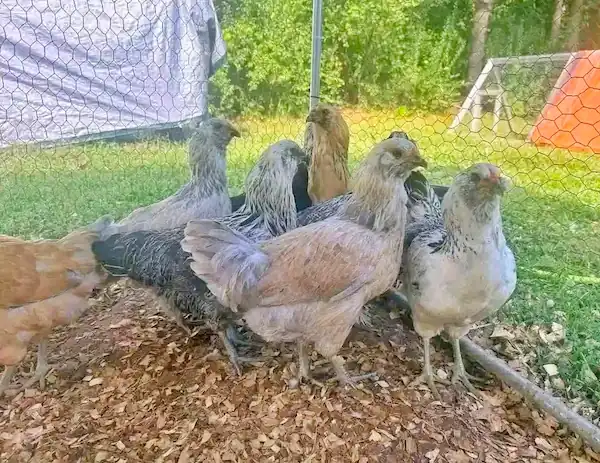
The same applies to egg color. Cackle lists green, blue, pink, and multi-colored possibilities, while Meyer lists green and blue as its expected egg colors.
So don’t buy an Easter Egger chick expecting a guaranteed blue egg or a particular adult feather pattern.
Where to Buy Easter Egger Chicks
We don’t sell Easter Egger chicks, but several hatcheries currently list them for sale:
- Cackle Hatchery Easter Egger Chicks offers female, male, and not-sexed baby chicks. Its current listing also gives minimum shipment quantities and seasonal shipping information.
- Valley Farms Hatchery Easter Egger Chicks currently lists hatch-date and sex choices and gives buyers the option to select Marek’s vaccination.
- Meyer Hatchery Easter Egger Day-Old Chicks currently offers female, straight-run, and male chicks, along with quantity discounts.
Prices, availability, hatch dates, shipping schedules, and ordering requirements can change, so check the individual listing before ordering.
What to Check Before Ordering
Before adding Easter Egger chicks to your cart, check:
- Sexing option: Female, male, or straight run?
- Minimum order: How many chicks must you buy?
- Hatch date: When will the chicks actually hatch?
- Shipping schedule: Does the hatchery ship seasonally or throughout the year?
- Egg color: What colors does that particular hatchery expect from its line?
- Vaccination: Are vaccinations available, and which ones?
- Live-arrival policy: What happens if chicks arrive dead or become ill shortly after arrival?
- Adult appearance: Does the seller state that feather color and pattern can vary?
- Shipping location: Does the hatchery ship to your area?
The biggest thing to remember is that an Easter Egger chick is not a guaranteed egg-color package. The seller may give expected egg colors, but the exact color of an individual hen’s eggs depends on her genetics.
Buying several chicks from a line known for different egg colors gives you more opportunity for variety than expecting one chick to produce a particular shade.
If you already have a brooder ready, day-old chicks can be a good way to start. If you don’t want to manage the first few weeks of chick care, look for started pullets instead when a hatchery or local breeder has them available.
Pros and Cons of Keeping Easter Eggers
Easter Eggers are a good fit for keepers who enjoy colorful eggs and varied-looking chickens. Their unpredictable traits can also be a drawback.
Pros
- They can lay blue, green, or olive eggs, depending on the hen’s genetics.
- Many Easter Egger hens are productive backyard layers.
- They are often friendly, curious, and easy to handle.
- They usually fit well into mixed backyard flocks.
- Their feathers can come in many colors and patterns.
- They enjoy scratching, pecking, and searching for insects.
- They can adapt well to typical backyard conditions with proper care.
- Every bird can have a noticeably different appearance and personality.
Cons
- Their adult appearance is difficult to predict from the chick stage.
- You cannot guarantee the exact egg color before a hen starts laying.
- Straight-run chicks can include unwanted roosters.
- They do not have the consistent traits of a standardized breed.
- Their egg production, size, temperament, and broodiness can vary between individual birds.
- They are not a standardized breed for showing as Easter Eggers.
How Easter Eggers Were Created
When Araucanas were brought to the United States, breeders loved the blue eggs but had problems with the breed itself. Traditional Araucanas often had genetic issues linked to ear tufts and rumplessness, which made chicken breeding difficult.
To solve this, breeders developed the Ameraucana in the 1970s. It kept the blue egg gene but removed many of those breeding problems. The American Poultry Association officially recognized Araucana in 1976 and Ameraucana in 1984.
At the same time, many farmers and hatcheries were crossing these blue egg birds with other backyard breeds like Red Wyandotte, Rhode Island Reds, Barred Rocks, and White Leghorns to create hardier, friendlier, and more productive layers.
These mixed birds became what we now call Easter Eggers.
Why the Name “Easter Egger”?
The name comes from their colorful eggs that look like Easter eggs.
Since these birds could lay blue, green, olive, and sometimes even pinkish or tan eggs, people started calling them Easter Eggers because collecting their eggs looked like filling an Easter basket.
Unlike Ameraucanas and Araucanas, Easter Eggers are not recognized as an official breed by the American Poultry Association because they do not have a fixed standard for color, body shape, or feather pattern. They are simply mixed-breed chickens with the blue egg gene.
Today’s Easter Egger
Today, the Easter Egger hen is one of the most popular backyard chickens in the U.S. because it offers colorful eggs, friendly personality, strong egg production, and lower cost compared to rare pure breeds.
They may not have a fancy breed standard, but for most chicken keepers, that’s exactly what makes them special.
Why Are Easter Eggers So Different?
Easter Eggers do not have one official appearance. Their breeding background can produce a wide range of feather colors, patterns, comb types, leg colors, and facial features.
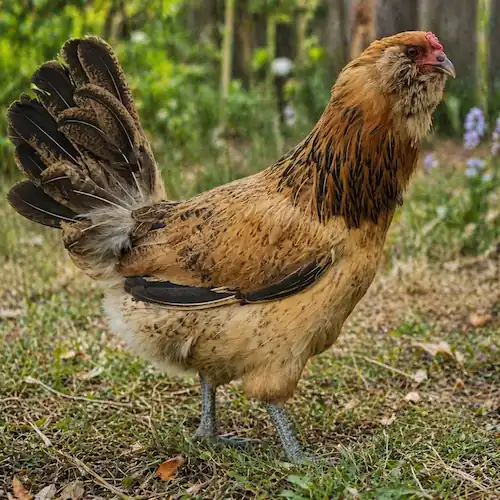
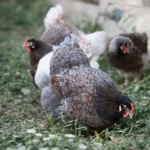
One bird may have gray feathers and muffs, while another may be mostly black with a different comb and leg color. The same variation applies to their eggs. Different hens can inherit different egg-color genetics, so one may lay blue eggs while another lays green or olive eggs.
That variation is what makes Easter Eggers interesting for backyard flocks. You can have several hens that look different and produce different-colored eggs without keeping several separate breeds.
Easter Egger Chicken Eggs: What Color Do They Lay?
Easter Egger chickens are best known for laying naturally colored eggs.
Blue, green, and olive shades are commonly associated with Easter Eggers, although the exact shell color can vary between hens because Easter Egger chickens do not come from one standardized genetic line.
The important point is that one hen generally lays one basic shell color throughout her laying life. The surprise is which color that particular hen inherited.
For example, one Easter Egger hen may lay blue eggs while another lays green or olive eggs. They can look similar as chicks and still produce different-colored eggs once they mature.
Do Easter Eggers Lay Different Colored Eggs?
Yes, a flock of Easter Eggers can produce eggs in several different shades.
Blue, green, and olive are among the colors most commonly associated with these chickens. Some hatchery lines also advertise lighter or pinkish-tinted eggs. The range depends on the genetics behind that particular line.
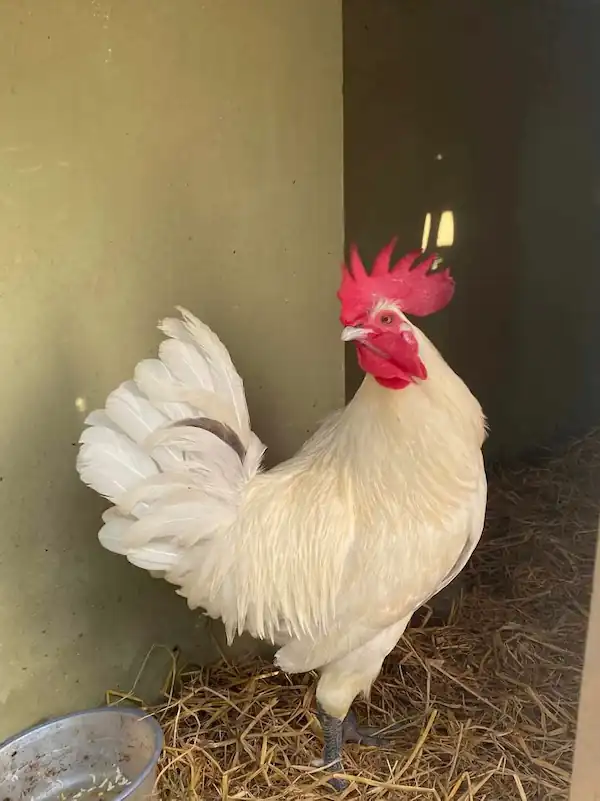
The color of the hen’s feathers does not tell you exactly what color her eggs will be. A white Easter Egger can lay a colored egg just as a gray, brown, or black-and-gold Easter Egger can.
This is why buying an Easter Egger does not guarantee a specific egg shade. If egg color is important to you, check the hatchery’s description of its particular line rather than relying on the bird’s appearance.
How Easter Egger Egg Color Works
Eggshell color comes from genetics. Easter Eggers are associated with the blue-egg trait, but other inherited traits can affect the final appearance of the shell.
A blue base can remain blue or combine with brown pigment to produce green or olive shades. The amount and type of pigment influence how light, dark, or intense the finished egg appears.
This also explains why two Easter Egger hens from the same flock may not lay identical eggs.
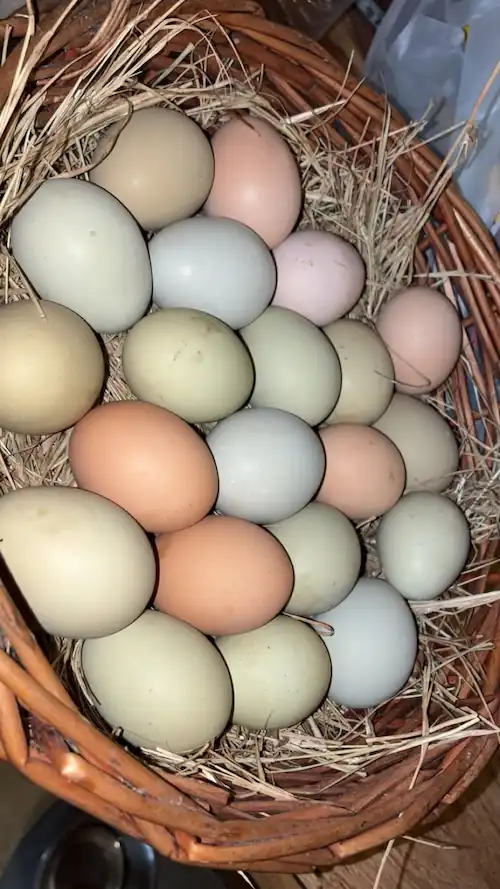
The easiest way to think about it is:
Different hens inherit different combinations of egg-color genetics → those hens can produce different shell colors.
The variation is between birds, not normally from one egg to the next from the same hen.
Can You Tell Egg Color From an Easter Egger’s Feathers?
Not reliably. Feather color and egg color are controlled by different genetic traits.
A particular Easter Egger may have white, gray, brown, black, buff, or patterned feathers and still lay a blue, green, or olive egg.
Some breeders and hatcheries may have established lines with more predictable results, but an Easter Egger’s appearance alone is not a reliable way to identify her future egg color.
If you are buying chicks specifically for colorful eggs, look at the seller’s expected egg-color information and breeding background instead of choosing chicks based only on feather color.
How Many Eggs Do Easter Eggers Lay?
Easter Eggers can be productive backyard layers, although production varies because they are not a standardized breed.
Many hens lay around four eggs per week during stronger laying periods. Some hatchery lines advertise higher production, with estimates around 200 to 280 eggs per year.
Egg production also changes with age, daylight, nutrition, molt, stress, and individual genetics.
When Do Easter Eggers Start Laying?
Most Easter Egger pullets begin laying at roughly five to six months of age, although some start earlier or later.
Don’t worry if two pullets from the same hatch do not begin laying at exactly the same time. Individual development varies.
The first eggs may also be smaller than the eggs produced once the hen settles into a regular laying cycle.
Easter Egger vs. Ameraucana vs. Araucana
Easter Eggers, Ameraucanas, and Araucanas are often grouped together because all three are associated with blue-egg genetics. They are not the same type of chicken, though.
Blue-egg chickens associated with Chilean poultry are part of the background behind today’s Araucana, Ameraucana, and Easter Egger terminology. Over time, different breeding programs produced chickens with distinct characteristics and different levels of standardization.
The simplest distinction is this: Araucana and Ameraucana are standardized breeds, while Easter Egger is a nonstandardized type of chicken that carries blue-egg genetics.
| Trait | Easter Egger | Ameraucana | Araucana |
|---|---|---|---|
| Breed status | Nonstandardized | Standardized breed | Standardized breed |
| Typical egg color | Blue, green, olive and other shades depending on genetics | Blue | Blue |
| Appearance | Highly variable | Defined breed characteristics | Defined breed characteristics |
| Tail | Usually present, but variable | Present | Rumpless |
| Ear tufts | May occur | No | Yes |
| Muffs and beard | Common, but not required | Required | Not a defining requirement |
| Comb | Variable | Pea | Pea |
How Are Easter Eggers Different?
An Easter Egger does not have to match one fixed appearance. Feather color, body type, leg color, comb characteristics, facial features, and other traits can vary from one bird to another.
That is different from a standardized breed such as the Ameraucana or Araucana, where specific characteristics are part of the breed description.
Easter Eggers are also valued for the variety of egg colors they can produce.
A hen may lay blue, green, or olive eggs depending on her inherited genetics. The exact color cannot be determined simply by looking at the bird.
Why Are Easter Eggers Sometimes Confused With Ameraucanas?
The confusion usually comes from their shared association with blue eggs and similar features such as muffs, beards, and pea combs.
A hatchery may also use names such as “Ameraucana” or “Easter Egger” differently from another seller, so it is worth reading the actual breed description before buying chicks.
If a seller is offering an Easter Egger, don’t expect every chick to grow into the same standardized appearance.
If you specifically want an Ameraucana or Araucana, look for birds sold as that recognized breed and check the seller’s breeding information.
For backyard keepers, the practical difference is simple: choose an Easter Egger for genetic and appearance variety, or choose a standardized breed when consistent breed traits are important to you.
Physical Traits and Appearance of an Easter Egger
One of the most fun things about raising an Easter Egger chicken is that you never fully know what it will look like when it grows up.
Unlike pure breeds, Easter Eggers do not follow one fixed standard. Every chick is a little surprise package. That’s why many people call them the “mystery box” chicken.
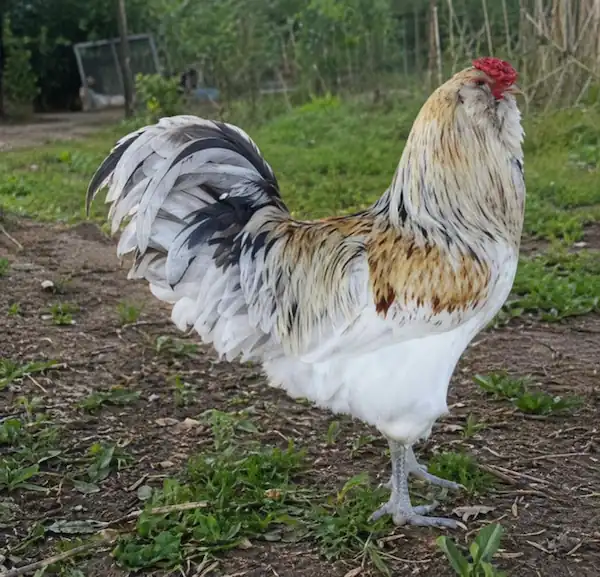
No two birds look exactly the same and honestly, that’s part of the charm.
Feather Colors and Patterns
An Easter Egger hen can come in almost any color you can imagine. You might see:
- black
- white
- brown
- red
- blue
- gray
- buff
- silver
- mottled
- barred
- cuckoo patterns
- mixed rainbow shades
Some birds look simple and clean, while others look like they were painted by accident—in the best way possible.
Even if you buy Easter Egger chicks, their adult feather color can change a lot as they grow. That surprise is one reason many people love to order Easter Egger chicks instead of older hens.
Comb Types
Their combs can also be different. You may find:
- single comb
- pea comb
- rose comb
- cushion comb
Pure Ameraucanas must have a pea comb, but Easter Eggers can have different types depending on their genetics.
This helps when trying to identify whether your bird is a true Ameraucana or just an Easter Egger.
Muffs and Beards
Those fluffy cheeks around the face are called muffs and beards. Many Easter Eggers have them, and they make the bird look extra cute and puffy. But not all of them do.
Some Easter Egger pullets grow big fluffy cheeks, while others have a cleaner face with little or no beard at all. So fluffy cheeks are common but not guaranteed.
Leg Colors
Even their legs can be different colors. Common leg colors include:
- slate gray
- green
- yellow
- white
- willow-colored legs
This depends on which breeds were used in the cross. Some people looking for a white Easter Egger are surprised to find green legs or dark slate legs; that’s completely normal.
Size and Body Shape
Their size can vary too. Some are medium-sized backyard hens, while others may be slightly larger or smaller depending on their parent breeds.
You can even find Easter Egger bantams, which are the smaller bantam version for people who want tiny backyard birds. Their body shape may be upright, fluffy, slim, or rounded—again, no strict rules. That’s the Easter Egger way.
Easter Egger Colors: White, Brown, Gray, Pink and More
There is no single Easter Egger look. These chickens can show up in a wide range of feather colors and patterns because Easter Eggers do not have a fixed breed standard.
White, gray, brown, black, buff, red, and mixed patterns are all possible. Some birds have solid plumage, while others have patches, speckles, barring, or several colors across their feathers.
Names such as white Easter Egger, brown Easter Egger, or gray Easter Egger usually describe what the bird looks like. They are not separate recognized Easter Egger varieties.
| Easter Egger color or pattern | What it usually describes |
|---|---|
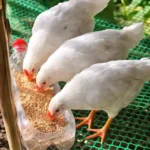
| White | Mostly white feathers, sometimes with small areas of another color |
| Gray/Grey | Gray, blue-gray, or slate-toned plumage |
| Brown | Brown feathers or brown-based patterns |
| Black | Mostly black plumage |
| Black and gold | Dark feathers mixed with golden, buff, or brown areas |
| Pink | Usually a seller’s description of a pale pinkish or unusual feather tone, not a standardized variety |
| Cream | Pale cream, buff, or off-white plumage |
| Flowery or mottled | A patterned appearance with spots, patches, or mixed feather colors |
Can Easter Egger Color Predict Egg Color?
No. Feather color is not a reliable way to predict the color of an Easter Egger’s eggs.
A white Easter Egger can lay blue or green eggs. A gray bird can do the same. The same applies to brown, black, cream, or mixed-color birds.
Eggshell color comes from inherited genetics, not simply from the color of the feathers.
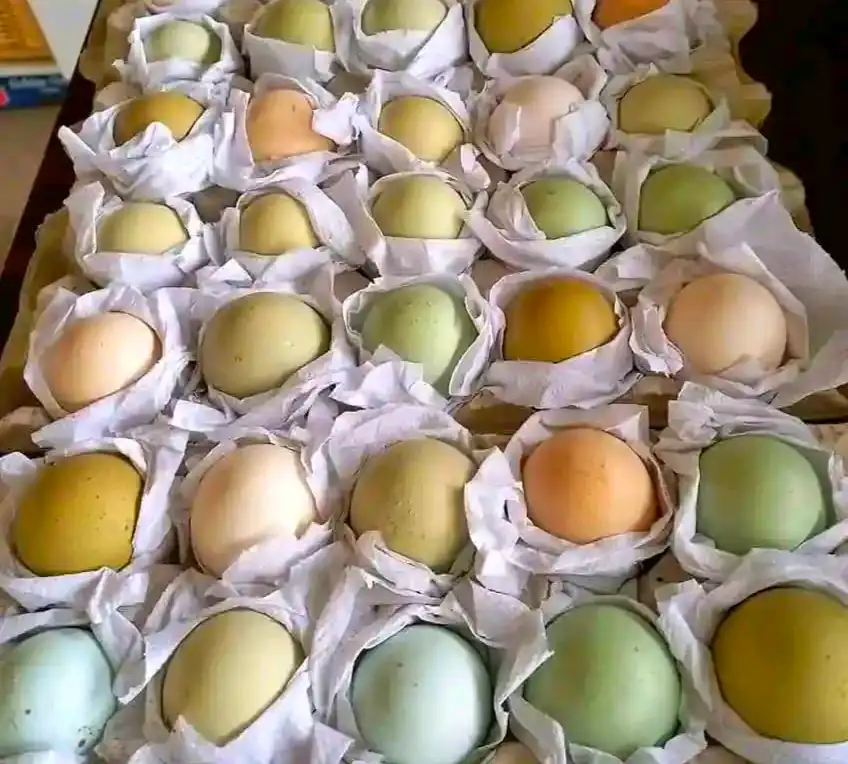
If you are buying chicks because you want a particular egg color, the seller’s information about the breeding line and expected egg color is more useful than the chick’s appearance.
What Will an Easter Egger Chick Look Like as an Adult?
That can be difficult to predict when the bird is still young. Chick down can change considerably as the juvenile feathers come in, and Easter Egger genetics allow for considerable variation.
Two chicks from the same hatch may eventually look quite different. One might mature into a mostly white hen, while another develops gray, brown, black, or mixed plumage.
This variety is part of what makes Easter Eggers popular with backyard chicken keepers.
You are not buying a bird with one fixed color pattern. You are raising a chicken whose final appearance depends on the genetics it inherited.
Temperament & Personality: Friendly Flock Members
One of the reasons I like Easter Egger chickens so much is their personality. Most of them are easygoing, curious, and fit well into backyard flocks.
Docile and Friendly Nature
Most Easter Egger hens are calm and people-friendly. They usually don’t act aggressive and often become quite comfortable around humans, especially if handled gently from a young age.
That’s why they’re often recommended for families and backyard setups where kids are involved.
Curious and Intelligent
These birds are naturally curious. An Easter Egger chicken will often explore the yard, follow you around, and check out anything new in its environment.
They’re not just “sit and eat” chickens; instead, they like to investigate things.
Good for Mixed Flocks
In most cases, Easter Eggers mix well with other breeds like Rhode Island Reds, Orpingtons, or Sussex chickens.
Their calm nature makes it easier for them to settle into an existing flock, whether you are adding Easter Egger pullets or introducing new Easter Egger chicks into your setup.
Still, every flock has a pecking order, so a bit of adjustment is normal.
Personality Can Vary
Not every bird behaves the same. Some Easter Eggers are super friendly and social. Others may be a bit shy or more independent.
A few can be slightly more dominant, especially in mixed groups. That variation is normal since they are hybrids.
I always recommend watching how your Easter Eggers behave in the flock.
Even though they are usually friendly, each bird has its own personality. If one becomes too dominant or overly shy, it helps to notice early so the flock stays balanced and stress-free.
Handle Chicks Early to Encourage Friendliness and Socialization
If you want friendly birds, handling Easter Egger chicks gently from a young age really helps. Pick them up softly, talk to them calmly, and let them get used to human contact.
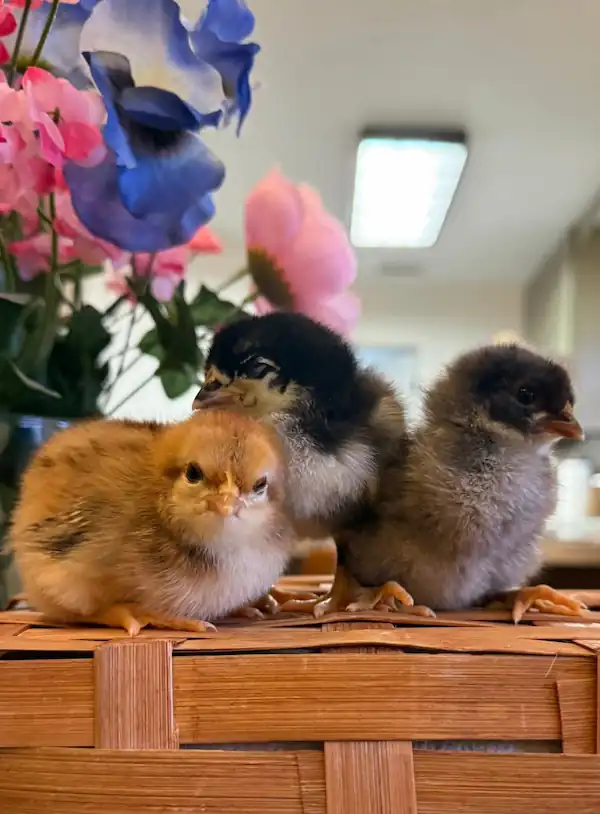
Simple things like chicken specified treats (mealworms, grains, or greens) help build trust. When they start associating you with food and safety, they become much more relaxed around you.
Give Them a Good Environment
A bored chicken is a noisy or stressed chicken.
Adding things like:
- perches
- dust baths
- scratching areas
- space to forage
helps keep Easter Egger hens active and happy. Happy birds are usually friendlier birds.
Bringing Home Chicks: Brooding & Early Care (0–8 Weeks)
Setting Up a Brooder
When I bring Easter Egger chicks home, the first thing I focus on is a proper brooder setup. This is basically their safe, warm starter home.
You’ll need:
- heat lamp or heat plate
- chick feeder and waterer
- safe bedding (pine shavings work best)
- good airflow without drafts
Space matters too. Chicks need enough room to move around freely, and the space should gradually increase as they grow.
Keep the brooder around 95°F in the first week, then reduce the temperature by about 5°F each week until they are fully feathered (around 6–8 weeks). Their behavior tells you a lot: huddling means cold, spreading out means hot, and calm movement means the temperature is right.
Feeding & Watering Chicks
A good start means strong growth. Feed Easter Egger chicks a high-protein starter feed (around 20–24%) for the first 8 weeks. You can use medicated or non-medicated feed depending on your preference and risk level.
Using an automatic chicken feeder helps keep the feed clean, reduces waste, and makes sure chicks always have access to fresh food.
If you want a complete, easy-to-understand guide on what to feed chicks, I’ve written a detailed article that walks you through everything from care to feeding and early growth stages.
Fresh water should always be available: clean, cool, and easy to reach at all times. A proper chicken waterer ensures a steady supply of water and helps prevent spills or contamination in the brooder.
Common Chick Health Issues
Young chicks can face a few common problems, but most are easy to prevent.
Pasty Butt
- caused by stress or temperature issues
- prevent by keeping brooder stable
- clean gently if it happens
Coccidiosis
- signs include weakness and abnormal droppings
- prevent with clean bedding and medicated feed if needed
Leg Issues (splayed legs, curled toes)
- usually caused by poor flooring or hatch issues
- fix early with simple support methods
Temperature Stress
- too hot or too cold can quickly harm chicks
- always adjust heat based on their behavior
Electrolytes and probiotics can support chicks during shipping stress or early adjustment.
You can learn more about common chicken diseases and their symptoms in our guide to chicken diseases.
Growing Up: Pullet Care & Transition (8–18 Weeks)
Once Easter Egger chicks reach around 8 weeks, I switch them from starter feed to grower feed, about 18% protein. This helps support steady growth without overloading their system.
Later on, around 16–18 weeks, they move to layer feed when they’re close to egg-laying age.
Don’t rush layer feed. It has high calcium, and giving it too early can stress or damage the kidneys of young pullets.
Moving to the Coop & Joining the Flock
By this stage, Easter Egger pullets are usually fully feathered and ready to move outside into a proper coop and run setup. A safe, clean, and spacious chicken coop & run setup is important before the transition. When to move them:
- after 8 weeks
- when fully feathered
- when weather is stable
Don’t mix them directly with the main flock. Let them stay in a separate grow-out pen or use wire separation for a few days so everyone can see each other without fighting.
Introducing new birds at night or offering treats can also reduce pecking order stress.
Sexing Easter Egger Pullets
Sexing Easter Egger chicks is tricky because they are mixed-breed birds. You can’t always tell early on. Still, a few clues help:
- Roosters usually get bigger, redder combs and wattles earlier
- Males may develop pointier neck and saddle feathers
- Roosters often stand taller and act more dominant
- Some may start trying to crow or spar
These signs help, but they are not 100% reliable for Easter Eggers. Even experienced keepers sometimes wait until they mature to be sure.
Happy Hens: Laying & Long-Term Care (18+ Weeks)
Once Easter Egger hens are close to laying age (around 16–18 weeks) or start laying their first egg, I switch them to layer feed. This feed has the right balance of protein (about 16–18%) and extra calcium to support strong egg production.
To keep eggshells strong, always offer free-choice oyster shell in a separate feeder. Hens will take what they need depending on their body’s requirement.
Switching feeds at the right time matters. It keeps your hens healthy and supports steady egg laying without putting stress on their bodies.
If you want a complete, detailed understanding of chicken feed, our guide covers everything you need to make informed decisions.
Caring for Laying Hens
A good laying setup makes a big difference. For nesting boxes, a simple rule is: 1 box for every 3–4 hens
They should be quiet, clean, and slightly dark so hens feel safe laying inside. Collect eggs regularly to keep them clean and avoid breakage or hens getting into the habit of egg eating.
Some Easter Egger buyers don’t expect broodiness, but it can happen. A broody hen will sit tightly on eggs and stop laying for a while. Keep hens active and busy with dust baths, perches and space to scratch and forage. This reduces boredom and keeps behavior calm and healthy.
Molting Cycle
Molting is when chickens naturally shed old feathers and grow new ones, usually once a year (often in fall). During this time:
- egg production drops or stops completely
- energy is used for feather regrowth instead of laying
This is completely normal. During molt, give a higher-protein diet to help feathers grow back faster and keep stress low so hens recover smoothly. Molting can look worrying, but it’s just part of a healthy chicken cycle.