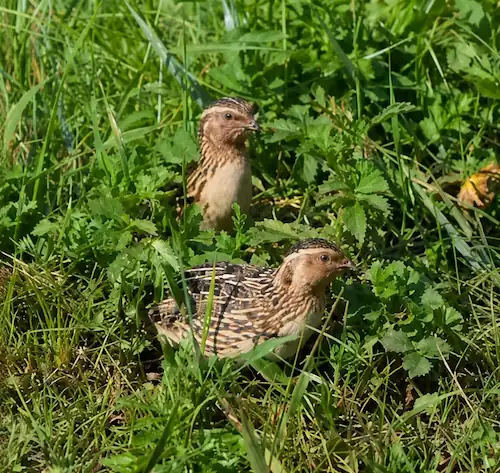
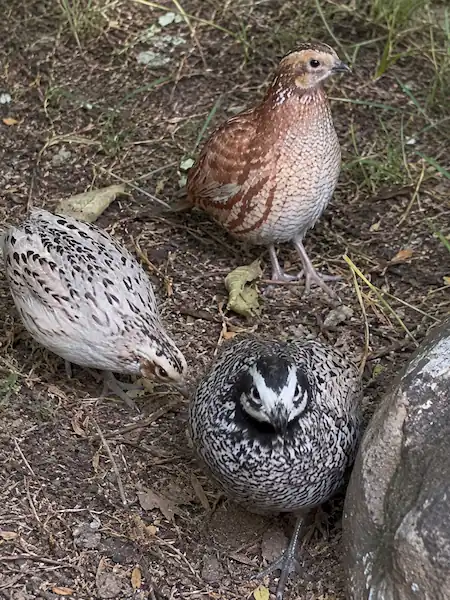
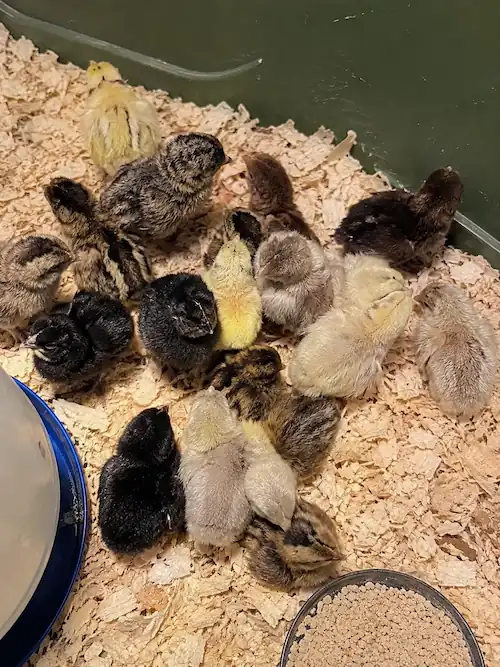
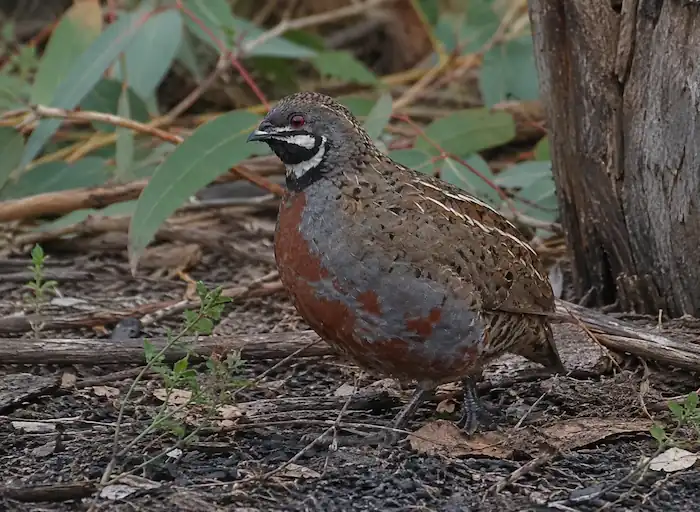
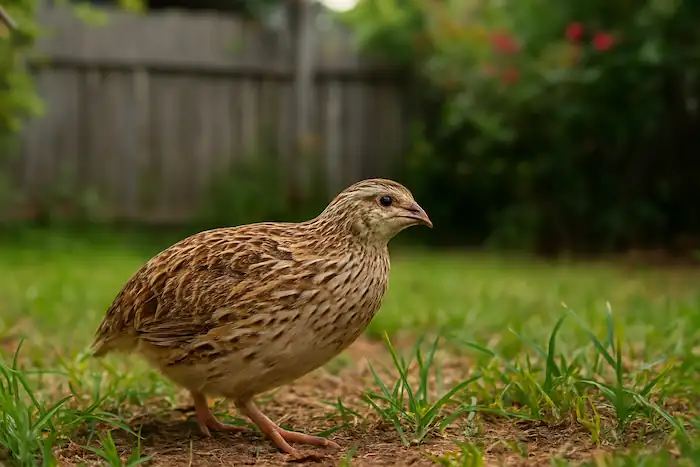
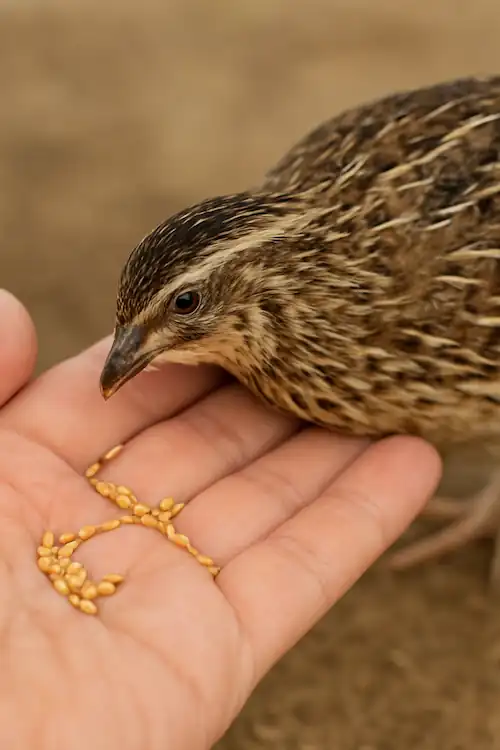
Quail are small ground-dwelling birds found across much of the world. While more than 100 quail species and subspecies exist worldwide, only a small number have been domesticated for meat, egg, or aviary production. Most wild quail remain important game birds or conservation species and are rarely kept by homesteaders.
Most quail kept by homesteaders and backyard poultry owners fall into a few main groups. Coturnix quail dominate commercial egg and meat production because of their rapid growth and excellent feed conversion. Bobwhite quail remain popular for hunting preserves and game bird operations. California quail are valued for their distinctive appearance, while Button quail are typically kept as aviary birds and pets rather than production stock.
The challenge is that many beginners search for the “best quail breed” without realizing that different species serve completely different purposes. A breed that excels at egg production may be a poor choice for game bird release. Likewise, an attractive ornamental species may produce very few eggs and require more specialized management.
That is where most of the confusion begins. In this guide, I’ve compared the major types of quail, domestic quail breeds, and popular varieties side by side. You’ll get which birds are best for meat production, egg production, hunting, breeding programs, ornamental collections, and small backyard setups, along with the practical trade-offs that matter when feed costs, space limitations, and local regulations enter the equation.
Quick Comparison of Popular Quail Breeds
Quail Breed
Avg. Mature Weight
Eggs Per Year
Weeks to Maturity
Primary Purpose
Beginner Friendly
Coturnix (Japanese)
6–10 oz (170–280 g)
250–300
6–8 weeks
Eggs & Meat
Yes
Texas A&M Coturnix
10–14 oz (280–400 g)
220–280
6–8 weeks
Meat & Eggs
Yes
Tibetan Coturnix
7–10 oz (200–280 g)
250–300
6–8 weeks
Eggs & Meat
Yes
Northern Bobwhite
6–9 oz (170–250 g)
100–200
16–24 weeks
Game Bird & Meat
No
California (Valley) Quail
5–7 oz (140–200 g)
50–120
20–24 weeks
Ornamental & Game Bird
No
Button Quail (Chinese Painted)
1–2 oz (30–60 g)
100–150 small
8–10 weeks
Ornamental & Aviary Pet
Moderate
King Quail (Asian Blue)
1–2 oz (35–60 g)
50–100 small
8–12 weeks
Ornamental & Aviary Pet
Moderate
Quail by Purpose: Which Type of Quail Is Right for You?
Not all quail serve the same purpose. Some are reliable egg layers, some are better meat birds, and others are kept mainly for their appearance. If you plan to raise a quail for eggs and meat, choosing the right breed from the start matters. The difference between a productive Coturnix flock and a low-producing ornamental species can mean hundreds of eggs and several pounds of meat over a single season.
If your goal is putting eggs in the kitchen or meat in the freezer, focus on Coturnix. If you’re interested in game birds and sporting traditions, Bobwhites make more sense. If you want attractive birds for an aviary, species like California, Button, and King quail belong in that conversation. The mistake many beginners make is treating all quail as interchangeable. They are not.
Production Breeds: Coturnix and Meat-Focused Lines
For most homesteaders, Coturnix quail are the starting point and usually the finishing point as well. They mature quickly, convert feed efficiently, and begin laying long before other quail species are fully grown.
The important detail is that Coturnix is not a single breed. It is a group that includes several production lines and color varieties with different strengths.
1. Standard Japanese Coturnix
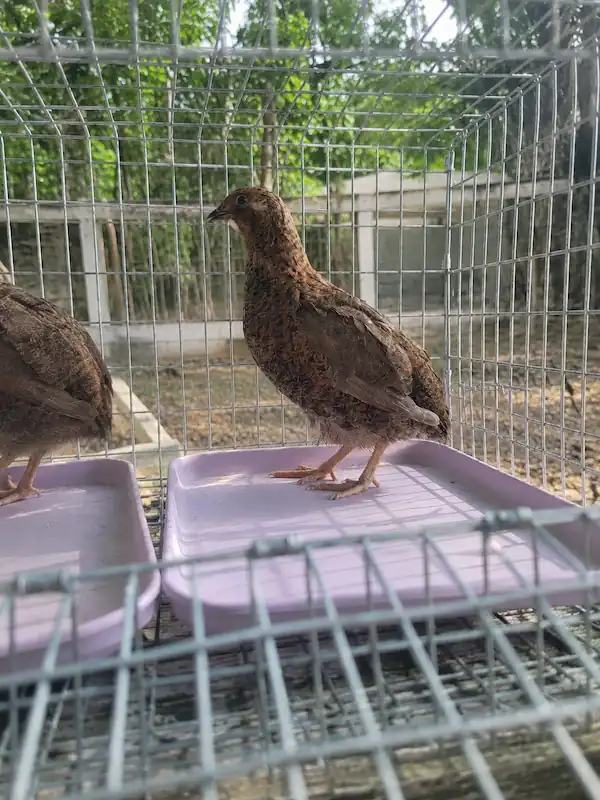
The Japanese Coturnix is the foundation of modern domestic quail production. Most commercial egg and meat strains trace back to this bird.
Adults typically weigh 6 to 10 ounces and begin laying at 6 to 8 weeks of age. Hens commonly produce 250 to 300 eggs annually under good management and proper lighting.
The classic plumage is mottled brown, often called Pharaoh. Popular color varieties include Golden Manchurian, Tuxedo, Rosetta, and Italian. For most backyard keepers, this is the benchmark bird.
The Japanese Coturnix is an excellent choice for keepers who want reliable egg production, efficient meat yield, and a bird that is easy to manage even with limited space and experience.
Pros
Excellent feed-to-egg ratio
Fast maturity
High annual egg production
Easy to source from NPIP-certified hatcheries
Cons
Flighty when startled
Increased cannibalism risk if overcrowded or underfed
2. Texas A&M White Coturnix
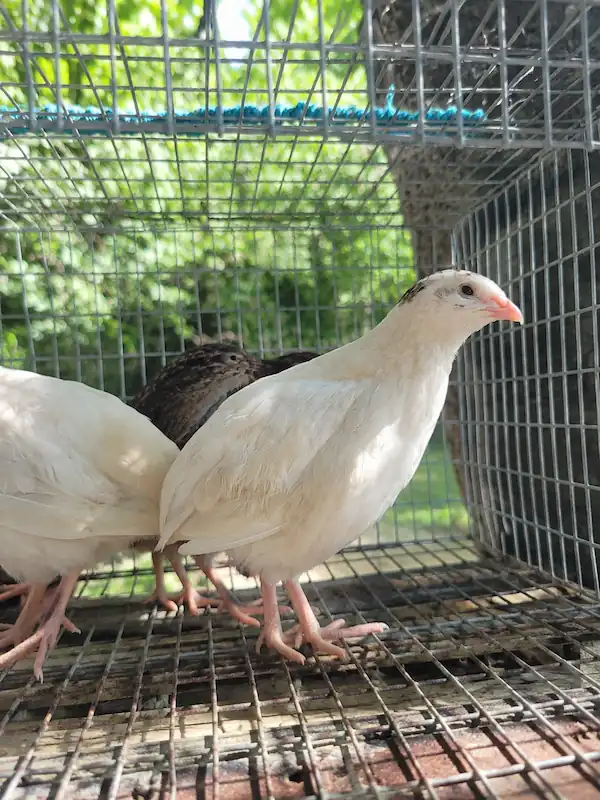
The Texas A&M line was developed specifically to improve meat production and carcass quality. These birds are larger than standard Coturnix and typically reach 10 to 14 ounces at maturity depending on the strain. Their white feathers leave fewer visible pinfeathers after processing, producing a cleaner-looking carcass.
Growth rates remain similar to standard Coturnix, with most birds reaching processing size at 7 to 9 weeks. If your goal is freezer meat rather than maximum egg numbers, this is usually the first breed worth considering.
This breed is best suited to keepers focused on meat production while still maintaining respectable egg output.
Pros
Larger dressed carcass
Cleaner processing appearance
Fast growth
Cons
Slightly lower egg production than top laying strains
White plumage can show dirt more easily in outdoor systems
3. Tibetan Coturnix
Despite the name, Tibetan Coturnix are not a separate species. They are a dark-feathered Coturnix variety known for strong vigor and good cold-weather performance.
Many keepers in northern climates report reliable laying and good condition during winter when housed in well-ventilated but unheated shelters.
Adult weights generally fall between 7 and 10 ounces, and egg production remains comparable to other productive Coturnix strains.
If your winters are long and heating costs matter, Tibetan birds deserve a look. This variety is particularly well suited to colder regions where winter hardiness is an important consideration.
Pros
Good winter hardiness
Strong egg production
Attractive dark plumage
Cons
Less common than standard Coturnix
Availability varies by breeder
4. British Range Coturnix
British Range is another dark-feathered Coturnix variety that often gets overlooked in breed comparisons.
Production is similar to standard Japanese Coturnix, but many breeders value the variety for its traditional wild-type appearance and strong outdoor performance.
For keepers who prefer heritage-looking birds without sacrificing productivity, British Range offers a practical middle ground. They’re an excellent choice for those who appreciate traditional coloration alongside reliable egg and meat output.
Game Birds and Traditional Meat Quail
These birds appeal to a different type of keeper. You are not choosing them for egg baskets. You are choosing them for hunting preserves, dog training, gamebird releases, or traditional wild-game flavor. That distinction matters.
1. Northern Bobwhite
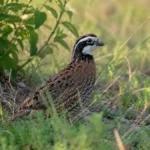
Northern Bobwhites are among the most recognizable game birds in North America. Their famous “bob-white” whistle gives the species its name.
At Carter Farm, I have always appreciated Bobwhites for their natural behavior, strong flight ability, and traditional gamebird qualities rather than their egg production. They serve a completely different purpose from Coturnix.
Their housing requirements are also more demanding. I allow at least 2 to 4 square feet per bird to reduce stress, feather picking, and cannibalism risk. Bobwhites are powerful fliers, so covered flight pens or netted enclosures are essential.
Their real value lies in gamebird production, hunting preserves, and sporting use, not in filling egg baskets. Before purchasing stock, always check local regulations, as some states and regions restrict the ownership, transport, or release of Bobwhites.
2. California (Valley) Quail
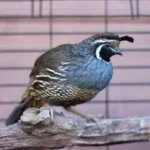
California Quail are instantly recognizable due to their curved topknot that projects forward from the head. They are one of the most attractive quail species available but are rarely chosen for production purposes.
Adult birds typically weigh 5 to 7 ounces. Egg production is seasonal and usually ranges from 50 to 120 eggs annually under captive conditions. These birds perform best in dry, mild climates and can be more challenging to manage than domestic Coturnix.
You should keep California Quail primarily for their ornamental appeal rather than for egg or meat production. California Quail are protected native wildlife in some areas. So, their ownership and breeding regulations vary by jurisdiction.
Ornamental Quail for Aviaries and Display Pens
These birds are not livestock in the traditional sense. You do not raise them for meat production, and their eggs are too small to contribute meaningfully to the kitchen. Their value is visual.
1. Button Quail (Chinese Painted Quail)
Button Quail are among the smallest quail kept in captivity. Adults weigh only 1 to 2 ounces and are often housed in planted aviaries where they forage on fallen seeds and insects. Their colors can be surprisingly vibrant, especially in breeding males.
Many aviary keepers use them as ground-dwelling birds beneath finches and other small species.
Button Quail are best suited to indoor aviaries and ornamental setups, where their small size and colorful appearance can be appreciated safely. Because they are easily injured, they should never be housed with larger quail species, and they require warm, stable temperatures throughout the year.
2. King Quail (Asian Blue Quail)
King Quail are closely related to Button Quail and are sometimes marketed under the same common names. They are slightly larger but remain strictly ornamental birds. Egg production is modest, and their tiny carcass size offers no practical meat value.
What they do provide is activity, color, and interest at ground level in a well-designed aviary. King Quail are best suited to decorative aviaries and exotic bird collections, requiring warm, stable housing and reliable protection from cold weather. They need a consistent warmth and protection from cold weather.
Native Quail Species in the United States
Types of Quail in Arizona
Arizona supports four native quail species. The most common are Gambel’s Quail, Scaled Quail, and Montezuma Quail, all of which are popular among birdwatchers and hunters. California Quail also occur in parts of eastern Arizona but have a much smaller range. Gambel’s Quail is by far the species most people encounter across the state’s deserts and scrublands.
Quail Breeds in Texas
Texas is one of the few states with four native quail species. Northern Bobwhite is the most widespread, while Scaled Quail dominate many dry grassland regions. Gambel’s Quail occur in far western Texas, and Montezuma Quail inhabit mountainous areas with oak and pine cover. Each species occupies a different habitat, making Texas one of the most diverse states for quail.
Types of Quail in Florida
Northern Bobwhite is the only quail species native to Florida. It inhabits grasslands, pine flatwoods, ranchlands, and managed hunting properties throughout the state. While Coturnix and other quail may be raised by poultry keepers, they are not native Florida species. For wild quail sightings, Northern Bobwhite is the bird to look for.
Choosing the Right Quail for Your Homestead
The best quail breed is not necessarily the most productive one. It is the breed that fits your available space, local regulations, climate, and production goals. A Texas A&M Coturnix that performs exceptionally on a rural property may be a poor choice for a small balcony setup. Likewise, a Bobwhite flock that thrives on acreage can become a management headache in a suburban backyard.
Instead of asking, “Which quail breed is best?” ask a better question: Which quail breed is best for the way you actually live?
Urban Balconies and Apartment-Friendly Setups
If you have limited outdoor space, strict noise rules, or close neighbors, your options narrow quickly. The good news is that quail require far less space than chickens. A well-designed Coturnix setup can fit into as little as 10 to 20 square feet while producing a steady supply of eggs throughout the year.
For most urban keepers, Coturnix are the only practical choice. They mature in 6 to 8 weeks, hens are relatively quiet, and their compact size makes housing easier.
A simple enclosed cage with approximately 1 square foot per bird, absorbent bedding, and solid side panels to reduce visual stress works well in small spaces. Many keepers also use privacy screens or shade cloth to minimize visibility from neighboring properties.
The result is a compact micro-livestock system capable of producing fresh eggs without the noise and zoning concerns often associated with chickens.
Suburban Backyard Flocks
Many backyard poultry keepers already have a coop, run, or unused corner of the yard. That makes Coturnix an easy addition. Most of my Coturnix setups have used existing poultry infrastructure with only minor modifications, mainly smaller wire mesh and better predator protection.
A small flock can provide eggs and occasional meat while creating far fewer noise complaints than a traditional chicken flock. Neighbors rarely notice Coturnix hens, especially when the birds are housed in covered runs or enclosed pens. On my own property, the birds have attracted far less attention than even a small chicken flock.
Existing chicken housing can often be adapted without major expense. In my winter pens, dry bedding, draft protection, and adequate ventilation have proven far more important than supplemental heat. Many keepers successfully house quail in garages, sheds, or protected sections of larger coops during cold weather.
Before buying birds, check local zoning regulations. Some municipalities classify quail differently from chickens, while others limit the number of birds allowed on residential lots. A quick review of local rules can prevent expensive surprises later.
For suburban environments, Japanese Coturnix, Tibetan Coturnix, and Texas A&M Coturnix consistently make the most practical choices. In my breeding pens, these varieties have delivered the best balance of egg production, manageable housing requirements, and neighbor-friendly behavior.
Off-Grid and Rural Homesteads
More land creates more possibilities. If you have acreage, dedicated bird pens, and fewer concerns about neighbors, you can explore species and breeds that are impractical in urban settings.
Bobwhites become a realistic option for game meat production, hunting preserves, dog-training programs, and heritage breeding projects. Their larger space requirements and strong flight instincts are easier to accommodate on rural properties.
Heritage Coturnix varieties such as British Range and Tibetan Coturnix also fit naturally into off-grid systems where hardiness and self-reliance matter as much as production numbers.
Plan for larger pens, covered flight areas, and additional space to reduce stress and cannibalism risk. If you intend to raise Bobwhites or other native game birds, verify permit requirements before purchasing stock, as regulations vary significantly by state and country.
For homesteaders interested in processing their own birds, fast-growing Coturnix lines provide the quickest path from brooder to freezer, while Bobwhites offer a more traditional game-bird experience.
The right choice depends less on the bird and more on the property supporting it. That is why successful quail keepers match breeds to their lifestyle first and production goals second.
Japanese Coturnix quail are widely considered the best breed for beginners. They mature quickly, start laying eggs at 6 to 8 weeks, require relatively little space, and are easier to manage than most gamebird or ornamental species.
Coturnix quail are the most productive egg layers. A healthy hen can produce 250 to 300 eggs per year under good management, making them one of the most efficient poultry species for egg production.
Texas A&M Coturnix and Jumbo Coturnix strains are the most popular meat-producing quail. They grow rapidly, reach processing weight in about 7 to 9 weeks, and produce larger carcasses than most other quail species.
Not really. Button and King Quail are primarily ornamental aviary birds. While they do lay eggs, the eggs are very small, and their body size makes them impractical for meat production.
More than 100 quail species and subspecies have been identified worldwide. However, only a small number are commonly raised in captivity, with Coturnix, Bobwhite, California, Button, and King quail being the most familiar to backyard keepers and homesteaders.
David Carter, founder of Farmstead Guide, has over 20 years of hands-on homesteading experience. From raising poultry to practicing sustainable farming, he shares practical tips and insights to help others live a more self-sufficient lifestyle.