Limited space doesn’t mean you can’t produce your own eggs and meat. Coturnix quail are compact, fast-growing birds that start laying in just a few weeks and thrive in small setups, making them ideal for backyards and urban spaces.
With the right care, they deliver a steady supply of eggs and meat with minimal effort. A simple setup, proper feeding, and basic management are enough to keep a productive flock running and provide a reliable source of homegrown protein year-round.
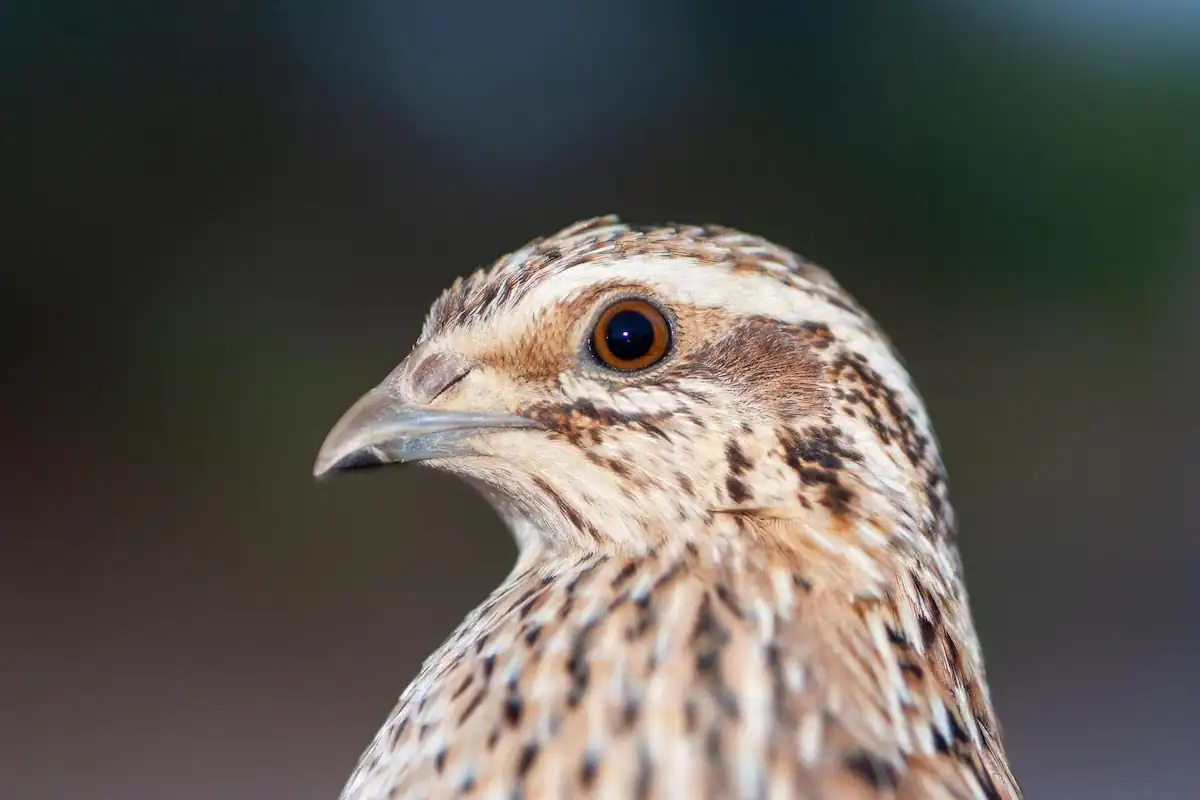
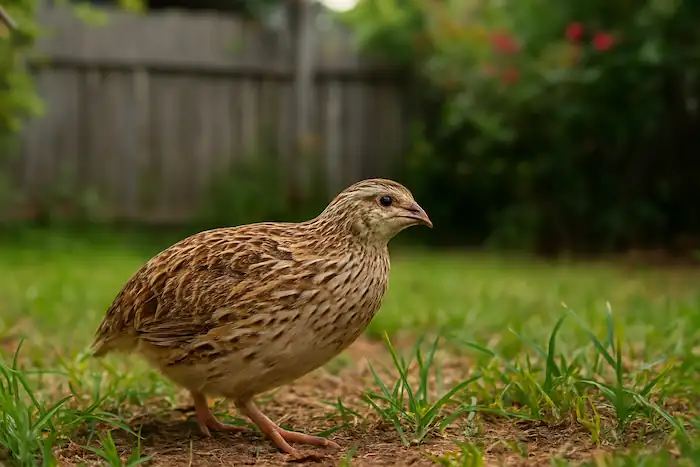
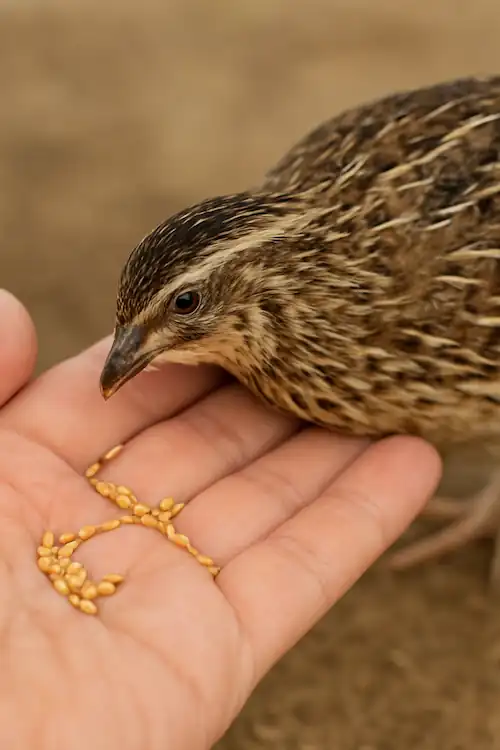
Coturnix quail are small, fast-growing birds with a typical lifespan of around 2 to 4 years, depending on care, diet, and environment. They come in a wide range of colors and patterns, including standard brown (wild type), white, tuxedo (black and white), golden, and Tibetan. These color variations don’t usually affect productivity, but they do add visual diversity to a flock.
Why Choose Coturnix Quail? The Small Bird, Big Rewards
Coturnix quail, also known as Japanese quail, are small, hardy birds originally from East Asia. They mature fast, handle confinement well, and adapt easily to simple setups. That’s why they’ve become a go-to option for backyard keepers and small-scale farmers.
Their popularity keeps growing because they’re low-maintenance and start producing quickly. Basic traits like fast growth, high egg output, and efficiency are widely documented by poultry research bodies and extension programs.
Key Benefits Over Other Poultry
Space Efficiency: Coturnix need very little room. Around 1 square foot per bird is usually enough, while chickens often need 3–4 times more space. This makes quail practical for tight backyards or even indoor setups.
Rapid Growth & Early Maturity: They’re ready for meat in about 6–8 weeks. Hens begin laying around 7–8 weeks, which is much faster than chickens that can take 5–6 months.
High Egg Production: A single hen can lay up to 250–300 eggs a year. The eggs are small but nutrient-dense, often richer in protein and vitamins compared to chicken eggs.
Feed Efficiency: They eat less and convert feed into eggs and meat quickly. Less feed, faster output.
Calm and Quiet: They’re generally quiet birds. Males make a short call, but it’s nowhere near a rooster. They’re also less aggressive, which makes flock management easier.
Quick Return: Because they grow and lay fast, you start seeing results within weeks, not months.
Finding and Buying Coturnix Quail
Getting good birds from the start saves you money, time, and a lot of frustration later. Cheap, unhealthy quail often turn into losses. Focus on clean, active stock from trusted sources.
You can source Coturnix quail for your flock through the following reliable options.
1. Reputable Hatcheries
I usually go with hatcheries when I want consistent results. I’ve found the chicks arrive healthier, grow more evenly, and start laying on time. Good hatcheries also give access to different varieties and keep their breeding lines clean, which reduces problems later.
If you’d rather order online, a few farms consistently come up in the quail community for healthy birds, strong genetics, and reliable shipping.
Tully River Quail focuses heavily on Jumbo Coturnix and also sells cages, hatching eggs, chicks, and adult birds.
For local pickup further south, California Ostrich Valley Inc in California is another solid option. They sell day-old Coturnix chicks starting around $2 each, while adult laying hens are usually around $14. They also offer hatching eggs and meat birds, which is helpful if you want to scale your flock quickly.
Thieving Otter Farm is well-known among serious breeders for temperament-focused lines and quality breeding stock.
The Quail Store ships eggs, chicks, and adult quail nationwide and is popular with homesteaders scaling up production.
I personally prefer smaller specialty breeders over mass hatcheries when possible. The birds usually arrive calmer, healthier, and better selected for egg production or meat size. Always look for clear customer reviews, active support, and transparent breeding practices before ordering.
Choosing the Right Quail Type
Different varieties suit different goals. Pick based on what you actually want, not just what looks good.
Variety
Avg Weight
Eggs
Best For
Key Traits
Standard Coturnix
4–5 oz
Speckled, small
Eggs
Easy to manage, very productive
Jumbo Coturnix
8–12 oz
Speckled, medium
Meat / Dual
Bigger size, solid meat yield
English White
5–7 oz
Light/white, small
Eggs
Clean look, good layers
Tuxedo
5–7 oz
Speckled, small
Eggs / Ornamental
Unique black-white pattern
Pharaoh
4–6 oz
Speckled, small
Eggs
Strong genetics, good base stock
Tibetan
5–7 oz
Dark, small
Eggs / Ornamental
Dark feathers, different egg tone
Check Birds Before You Buy
Healthy quail are easy to spot if you know what to look for.
Good Signs
Bright, clear eyes
Active and alert
Clean vent area
Smooth, full feathers
Red Flags
Sitting dull or inactive
Ruffled or patchy feathers
Wet eyes or discharge
Limping or weak movement
Local Rules You Shouldn’t Ignore
Before buying, check your local regulations. Some areas limit the number of birds or have rules about keeping poultry. Quail are usually easier to keep than chickens, but it still depends on your location.
A quick check with your local council or municipal office can save you from fines or forced removal later.
Optimal Living Spaces: Housing That Actually Works
Brooder Setup (First Few Weeks)
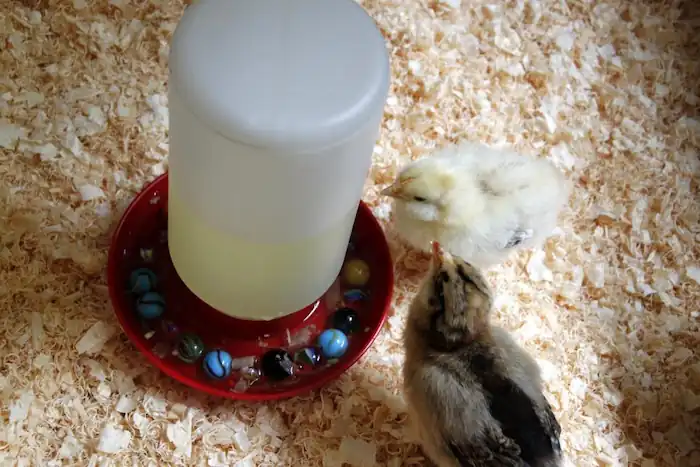
For the first 3–4 weeks, chicks need a warm, simple brooder. I usually use a plastic tote or storage box. Give about 0.25 sq. ft. per chick so they’re not piling up.
Start with paper towels for a few days so they learn to eat, then switch to pine shavings. Skip cedar, it causes breathing issues. Heat is critical. Start around 95°F and drop it slightly each week as they feather out. A small digital thermometer makes this easy to track.
Housing for Adult Quail
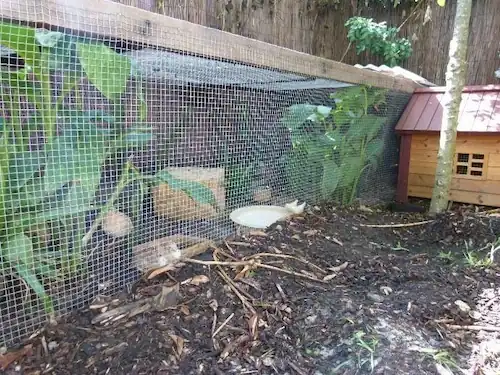
Once grown, each bird needs around 1 sq. ft., though a bit more space keeps them calmer and healthier. Most people use wire cages because they’re easy to clean, eggs roll out, and predators stay out. Go with tight mesh flooring so feet don’t get stuck.
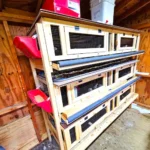
Coturnix quail setup at Carter Farm showing a simple, well-ventilated cage designed for easy care, clean housing, and steady egg production.
If you’ve got space, aviaries work well too. Birds move more and behave naturally, but you’ll need proper predator-proofing from all sides, including above.
Good airflow matters more than most people think. Poor ventilation leads to smell and health issues fast. Keep air moving without creating strong drafts.
Lighting also affects egg production. If you want steady laying, aim for around 14–16 hours of light daily, using a simple bulb if needed.
Predators are always a risk, even in small setups. Use strong mesh, secure latches, and don’t leave gaps. For bedding in larger pens, pine shavings, straw, or even sand can work.
When planning your setup, think in numbers. If you want 20 birds, you need at least 20 sq. ft. Keeping it simple and slightly spacious works better than overcomplicating things later.
Feeding You Quail Flock
Feeding quail isn’t complicated, but protein levels matter a lot. They grow fast and lay hard, so low-quality feed slows everything down. I stick with game bird feed because chicken feed just doesn’t have enough protein for consistent growth and egg production.
Start chicks on a fine crumble with around 28–30% protein for the first few weeks. After that, drop to a grower feed around 20–24%. Once hens begin laying, switch to a layer mix with 18–20% protein and added calcium. That one change alone makes a visible difference in eggshell quality.
Quail don’t need much extra, but a few basics help. Grit supports digestion if they’re not on pure crumble. Laying birds should always have access to calcium like crushed eggshells or oyster shell. It keeps shells strong and prevents issues later.
Feeding style is simple. Most keepers go with free-choice feeding so birds eat when they need. The key is reducing waste. I’ve noticed proper quail feeders cut feed loss a lot compared to open trays. Store feed in a dry, sealed container because stale feed quickly loses value.
A few reliable places I’ve either used myself or seen recommended often by quail keepers are:
Purina Game Bird Feed: One of the most common feeds for Coturnix chicks. Their 30% protein starter works well during early growth.
Tractor Supply Co.: Easy option if you want local pickup or online ordering for game bird feed.
Sugar Feather Farm: They sell a non-GMO 29% protein game bird starter specifically suited for Coturnix quail chicks.
Chewy: Helpful if local feed stores near you don’t carry quail feed regularly. Many keepers order game bird formulas from there.
Water is just as important as feed. Clean, fresh water should always be available. Nipple waterers work best for keeping things hygienic, especially in cages.
For larger setups, automated lines save time and keep supply consistent. Regular cleaning is non-negotiable since dirty water leads to problems fast.
Keeping Them Healthy: Simple Habits That Prevent Big Problems
Most health issues in quail come down to hygiene and stress. Keep things clean, dry, and well-ventilated, and you’ll avoid a lot of trouble. New birds should always be quarantined for 2–3 weeks. It’s a simple step that protects your entire flock.
Limit outside contact, don’t share tools between cages, and avoid mixing quail with other poultry. Even small lapses here can spread disease quickly.
Common Problems You Might See
Respiratory issues: Sneezing, watery eyes, noisy breathing; caused by poor airflow or dust. Improve ventilation.
Digestive issues (coccidiosis): Lethargy, odd droppings; linked to dirty conditions. Keep housing clean and dry.
Leg problems: Common in chicks due to slippery floors or weak diet. Use proper bedding early.
Egg binding: Weak, puffed hen struggling to lay. Warm soak may help, handle gently.
Parasites: Feather loss, itching, weight loss. Maintain hygiene and provide dust baths.
Prevention That Actually Works
A consistent cleaning routine makes the biggest difference. I’ve found that quick daily cleaning plus regular deep cleans keeps most problems away. Fresh feed and clean water are non-negotiable.
Keep stress low by avoiding overcrowding and sudden changes. Small improvements in space and setup often fix ongoing issues.
When It’s Time to Act
If birds stop eating, can’t stand, or multiple birds show the same symptoms, don’t wait it out. That’s when a proper diagnosis matters. A vet or poultry extension service can save you from losing the whole flock.
Coturnix Quail Egg Production and Collection
Coturnix quail start laying fast, usually around 6–8 weeks. Once they begin, production is steady. A healthy hen can give 250–300 eggs a year if lighting, feed, and stress levels are managed well.
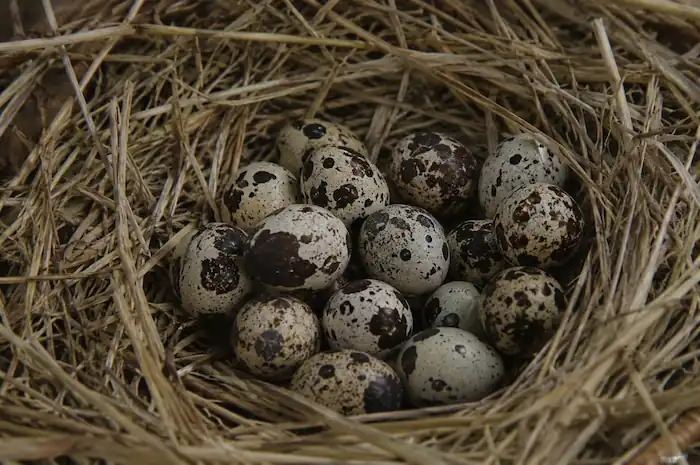
Eggs are small but come in a range of colors like speckled, brown, white, and even bluish tones. They’re nutrient-dense and often richer than chicken eggs in protein and minerals.
Collect eggs daily to avoid cracks or birds stepping on them. Handle gently since shells are thinner. I prefer dry cleaning with a soft brush. Only wash if needed, and use warm water to avoid damaging the natural protective layer.
It’s better to store eggs in the fridge to keep them fresh longer. Using small quail egg cartons helps prevent breakage and keeps things organized.
Expanding Your Flock: Breeding Coturnix Quail
Breeding Coturnix is simple once you understand the basics. First step is telling males and females apart. Males usually crow and, in varieties like Pharaoh, have a solid rust-colored chest. Females have spotted chests. Vent sexing is more accurate, but it takes a bit of practice.
Keep your ratio balanced. One male for every 3–5 females works best. Too many males lead to fighting and stressed hens, which kills fertility.
Setting Up for Breeding
You don’t need anything fancy. Small, separate pens for breeding groups help a lot. Birds stay calmer, and you get better hatch rates. I’ve noticed that less stress in breeding pens directly improves fertility.
Incubation That Actually Works
Pick clean, well-shaped eggs that are no more than 7–10 days old. Store them in a cool place before setting. A basic incubator with automatic turning makes life easier, especially if you’re doing this regularly.
Keep temperature and humidity stable throughout. Small fluctuations can ruin a batch. Turning stops a few days before hatch, this is the “lockdown” phase. Humidity goes up during this time to help chicks hatch properly.
Once they start hatching, avoid interfering unless absolutely necessary. Most chicks manage fine on their own. After hatching, move them to a warm brooder quickly.
If You Want Better Results Over Time
As you continue breeding, start paying attention to which birds perform best. Bigger birds, better layers, healthier chicks, those are the ones worth keeping.
Keeping simple records helps more than most people expect. Tracking hatch rates and egg production makes it easier to improve each generation without guesswork.
Raising Coturnix Quail for Meat
Coturnix grow fast, which is why they’re popular for meat. Most birds are ready at around 6–8 weeks. Good feed and strong genetics make a noticeable difference in size and finish.
Before processing, pull feed for about 12–24 hours so the digestive system clears out. Keep birds calm during this time. Stress affects meat quality more than most people expect.
Humane Processing Basics
There are a couple of common methods used by small keepers:
Cervical dislocation: A quick method when done correctly. The goal is instant dispatch with no prolonged stress.
Cone and bleed: Bird is placed in a cone, then bled out. This keeps things controlled and cleaner, especially for beginners.
After dispatch, birds are usually scalded in hot water for a short time to loosen feathers, then plucked. Small batches can be done by hand, while larger setups often use a plucker.
Evisceration comes next. Internal organs are removed, keeping edible parts like the liver and heart if you want them. Take it slow the first few times to avoid damaging anything.
Cooling and Storage
Once cleaned, get the birds into ice water quickly. Fast chilling improves meat quality and shelf life. After that, refrigerate or freeze, and label with the date so nothing gets forgotten.
If it’s just for personal use, rules are usually simple. Selling meat is different and often requires inspection and specific processing standards. Always check your local regulations before going further.
Your Journey to a Thriving Quail Flock
Raising Coturnix quail gives you quick, reliable returns. Fresh eggs, quality meat, and a setup that doesn’t need much space. Once the basics are in place, it becomes a steady system that’s easy to manage and scale.
Getting started might feel like a lot at first, but it’s simpler than it looks. With the right setup, good feed, and a bit of consistency, results come fast. Start small, learn as you go, and build from there.
If you want to go further, connect with other keepers in online groups or forums. Real-world tips from active breeders help more than theory. Keeping a simple checklist for daily care or tracking feed and production also makes a big difference over time.
Start your Coturnix quail setup and turn a small space into something productive.
David Carter, founder of Farmstead Guide, has over 20 years of hands-on homesteading experience. From raising poultry to practicing sustainable farming, he shares practical tips and insights to help others live a more self-sufficient lifestyle.