Most bobwhite losses start with one mistake. People use chicken logic on a covey bird.
A Northern bobwhite chick can drown in a waterer that is safe for chickens. A frightened bird can flush straight into a pen roof and break its neck. These birds follow different rules.
Most quail guides miss the practical side. Wildlife sources focus on identification. Poultry guides often treat bobwhites like miniature chickens. Neither helps much when you’re trying to keep birds alive.
Mistakes are expensive. Poor housing, bad brooder setups, and permit violations can cost you birds, money, and time. Releasing captive-raised bobwhites into the wild can also create disease and genetic problems for local populations.
I’ve kept bobwhites for years, raised quail for eggs and meat, managed breeding coveys, and dealt with permit paperwork. Along the way, I’ve learned how these birds behave, how to identify males and females, and what it takes to keep them successfully in captivity.
What Makes a Bobwhite? Species Profile and Natural History
Taxonomy, Range, and Conservation Status
The Northern Bobwhite (Colinus virginianus) belongs to the New World quail family, Odontophoridae. Despite the name, it is not closely related to the Old World quail species commonly raised for eggs and meat.
Historically, bobwhites occupied a huge range across the eastern and central United States, extending into parts of Mexico and the Caribbean. They were once one of the most common game birds in North America.
That is no longer the case. Wild populations have declined across much of their native range. Habitat loss, changes in farming practices, and reduced early successional cover have all contributed to the decline. Conservation programs such as the National Bobwhite Conservation Initiative focus on restoring habitat and rebuilding populations.
For keepers, this matters for one simple reason. Bobwhites are generally regulated as wildlife, not livestock. Permit requirements vary by state, but possession, breeding, transport, and release are often subject to wildlife regulations. Always verify local requirements before bringing birds home.
Wild Covey Behavior and Habitat Needs
Understanding wild bobwhites makes captive management much easier. During autumn and winter, Northern bobwhites gather into coveys. These groups often roost in a tight circle with tails pointed inward and heads facing outward. It helps them conserve heat and detect predators from all directions.
When danger appears, the entire covey explodes into flight. This flush response is one of the defining traits of the species.
Wild bobwhites nest on the ground beneath grass or shrub cover. Breeding systems vary by region and habitat conditions. Some pairs remain seasonally monogamous, while others show more flexible breeding behavior.
Good bobwhite habitat contains three things:
Grass cover for nesting
Shrubs for protection
Open bare ground for movement and feeding
Remove any one of those pieces and habitat quality drops quickly. The same principle applies in captivity. Birds kept in bare pens with little cover remain nervous, stress more easily, and are more likely to injure themselves during a flush.
Why Chicken Advice Fails Here
This is where many new keepers run into trouble. Northern Bobwhites belong to the same general bird order as chickens, but they have never gone through thousands of years of domestication. Their instincts remain largely wild.
They react differently to stress. They fly differently and require different housing.
A frightened chicken usually runs. A frightened bobwhite often launches straight upward. Low roofs, hard ceilings, and poorly designed pens can lead to serious head and neck injuries.
Feed requirements differ as well. Growing bobwhite chicks need a high-protein game bird starter, typically around 28% to 30% protein. Standard chick feed often falls short during the critical early growth period.
The legal difference is just as important. Chickens are livestock. Bobwhites are wildlife under most state regulations.
That distinction affects permits, transportation, sales, breeding programs, and release rules. Ignoring it can create problems long before husbandry mistakes do.
I’ve found that successful bobwhite keepers pay attention to the bird’s wild behavior first. Covey spacing, cover preferences, and flush reactions seen in the field often explain why certain pen designs work and others fail.
Male vs Female Identification: Field Marks, Vocalizations, and Timing
Telling male and female bobwhite quail apart is easy once the birds mature. The challenge is identifying them before adult plumage develops. In young birds, the whistle usually reveals the answer before the feathers do.
Visual Sexing in Adult Birds
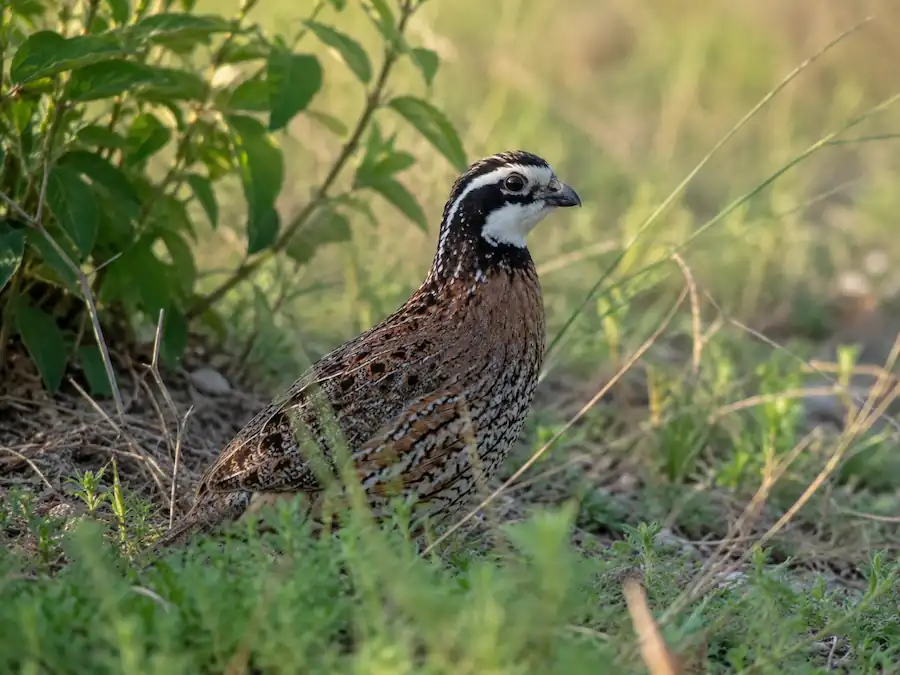
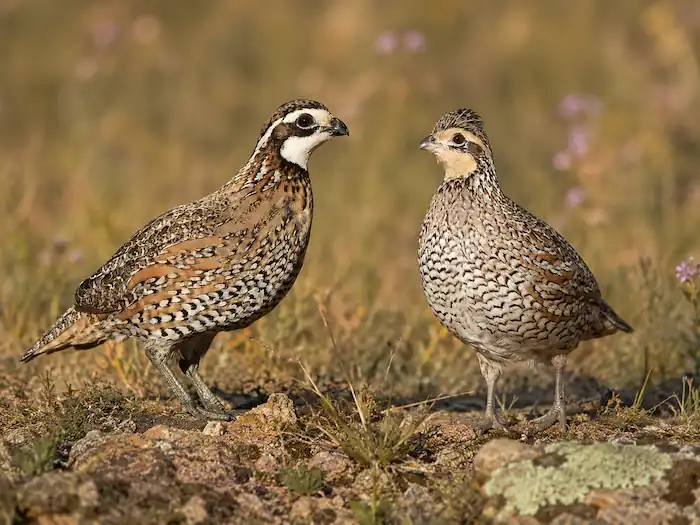
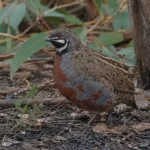
Adult males are the easier birds to identify. They have a rich chestnut throat and upper breast, along with bold black-and-white facial striping. The white eyebrow stripe and white throat stand out even from a distance.
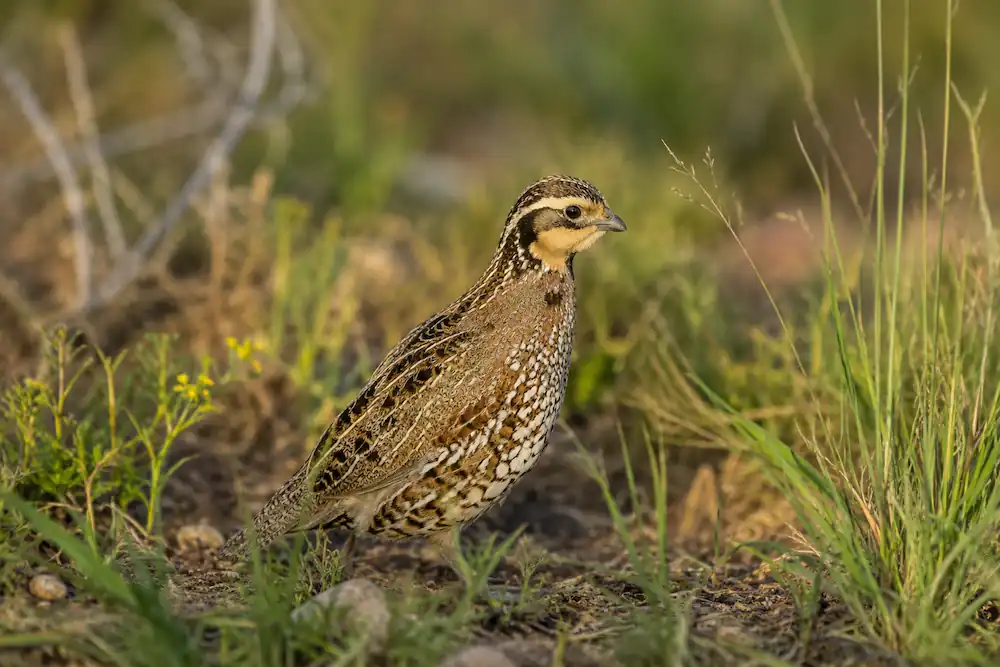
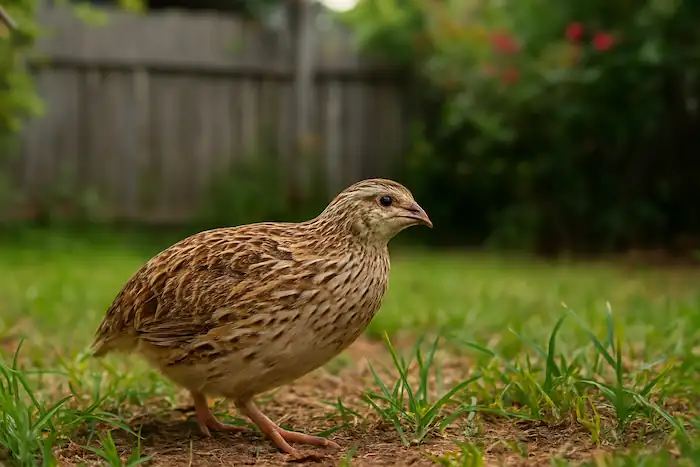
Females look softer and more muted. Instead of bright white markings, hens have buff-colored throats and light brown facial stripes. The overall appearance is less contrasting and more camouflaged. If you’re unfamiliar with bobwhite feather patterns and body structure, it helps to first understand what a quail looks like before comparing males and females.
Males are often slightly heavier, but body size alone is not reliable. Feed, genetics, and age can make birds look larger or smaller than expected.
Young birds create the most confusion. Juveniles can show incomplete facial markings during the molt, making visual sexing a guessing game. When in doubt, wait for mature plumage or listen for vocalizations.
Sexing by the Bob-White Whistle
If you need to identify birds early, use your ears. A male’s classic “bob-WHITE” whistle is often the first reliable clue. Some cocks begin calling around 6 to 8 weeks of age, although timing can vary slightly between strains and management conditions. The call is loud, clear, and carries a surprising distance.
Once you’ve heard it a few times, you’ll rarely mistake it.
Females usually make softer contact calls and assembly calls. Hens can occasionally produce whistle-like sounds, but they rarely deliver the strong, repeated two-note call typical of a mature male.
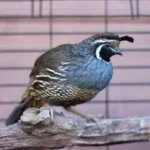
Male vs. Female Northern Bobwhite Quail: The male on the left has distinctive white facial markings, while the female on the right features a buff-colored face and more subtle plumage.
For most grow-out pens, vocalization is the earliest dependable sexing method.
Behavioral and Vent Sexing
Behavior can provide additional clues. Young males often begin posturing, chasing rivals, and attempting to mount females as they approach maturity. These signs help confirm what vocalizations and plumage are already suggesting.
Vent sexing is another option. Mature males develop a cloacal protrusion that females lack. The method can be highly accurate, but it requires experience and a gentle touch.
Done incorrectly, it can injure the bird. For most keepers, visual traits and vocalizations are safer and easier than vent sexing.
Male vs Female Bobwhite Comparison
Trait
Male (Cock)
Female (Hen)
Reliability
Facial Striping
Bold black-and-white markings
Muted brown facial markings
Moderate
Throat Color
White throat with chestnut breast
Buff or tan throat
High in adults
Body Size
Usually slightly larger
Usually smaller
Moderate
Vocalization
Loud “bob-WHITE” whistle
Soft contact calls
Very High
Breeding Behavior
Territorial, mounting attempts
Nesting and egg laying
Seasonal
Vent Sexing
Cloacal protrusion present
No protrusion
High if experienced
When birds are young, trust the whistle first. When birds are fully feathered, trust the face and throat color. Vent sexing is best left to people who already know exactly what they’re feeling for.
Legal Permits and Regulatory Compliance
Many first-time keepers buy birds first and research permits later. That can be an expensive mistake.
Northern Bobwhites are native game birds. In most states, they fall under wildlife regulations rather than standard livestock rules. The exact requirements depend on where you live and what you plan to do with the birds.
Federal agencies generally become involved when birds cross state lines, while state wildlife agencies regulate possession, breeding, propagation, sale, and release. A quick call to your state DNR, wildlife department, or game commission can save a lot of trouble later.
Which Permit Do You Need?
The answer usually depends on your intended use.
Keeping a few birds for personal use? You may only need a possession permit in some states.
Breeding birds or hatching chicks? Many states require a propagation permit.
Selling chicks, eggs, or breeding stock? A game farm or commercial breeder license is often required.
Moving birds across state lines? Expect additional paperwork, health certificates, and import requirements.
Rules vary widely. Never assume your state’s requirements match those of a neighboring state.
Sourcing Bobwhite Stock
Buy Birds from NPIP-Certified Sources
Disease problems often arrive with new birds.
For that reason, I only recommend purchasing chicks, hatching eggs, or breeding stock from NPIP-certified flocks. The National Poultry Improvement Plan helps monitor and control diseases such as pullorum, fowl typhoid, and certain avian influenza risks.
Walk away from sellers who cannot provide paperwork. A few red flags to watch for are:
Birds raised in crowded mixed-species yards
Sellers who cannot identify where their stock originated
“Farm fresh” hatching eggs with no health records
Unlicensed sellers offering large numbers of game birds
Quarantine Every New Arrival
Healthy-looking birds can still carry disease. Keep new acquisitions separated from your existing covey for at least 30 days. Use separate feeders, waterers, and equipment during quarantine.
Most disease outbreaks start with one bird that looked perfectly normal on arrival. A month of quarantine is cheaper than losing an entire breeding pen.
The Critical First Weeks: Brooding and Mortality Prevention
Most bobwhite chick losses happen during the first two weeks. The causes are usually predictable. Drowning. Chilling. Starve-out. Pile-ups. None of them take long to kill a chick.
Build the Brooder Around the Chick
A brooder designed for chickens can be dangerous for bobwhites. The goal is not a fixed temperature. The goal is giving chicks a choice.
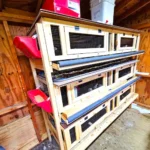
Adjustable-height heat lamps and commercial plate brooders work well because they create warm and cool zones. Chicks can then regulate their own comfort by moving closer to or farther from the heat source.
Watch the birds more than the thermometer. A tight huddle under the heat source means they’re cold. Chicks spread far apart and panting means they’re too hot. Comfortable chicks move around, eat, drink, and rest without crowding.
Avoid overcrowding. Pile-ups can smother dozens of chicks in a single night.
Water Can Kill Chicks
Many keepers underestimate how small a northern bobwhite chick really is. A standard poultry waterer can become a drowning trap.
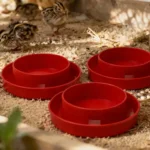
For the first 10 to 14 days, use shallow chick waterers, mason jar bases with narrow rims, or nipple watering systems designed for small game birds. Adding clean marbles or pebbles to water trays provides another layer of protection.
Check waterers several times a day. Most drowning deaths are preventable.
Learn to Recognize Common Chick Losses
When chicks start dying, the symptoms usually point to the cause.
Spraddle Leg
This condition is often caused by slippery brooder floors. Affected chicks struggle to stand and their legs slide outward.
Provide secure footing from day one. Paper towels, rubber shelf liner, or textured bedding work well. Mild cases can often be corrected with temporary leg hobbles.
Starve-Out
Not every chick understands where feed is located. A chick can die with a full feeder sitting inches away.
Scatter feed across paper towels during the first few days. Pecking at feed on the ground comes naturally and helps chicks learn faster.
Temperature Stress
Cold chicks huddle tightly and may become weak or lethargic. Overheated chicks spread away from the heat source, pant, and drink excessively.
In the wild, a hen constantly adjusts conditions for her brood. Inside a brooder, that job belongs to the keeper.
Small Details That Prevent Bigger Problems
Many brooder problems start with small management mistakes. The following adjustments reduce stress, help prevent pecking issues, and support healthier chick development.
Use red or infrared brooder bulbs instead of bright white lights. They tend to reduce stress, feather pecking, and cannibalism, especially in larger groups.
Start parasite prevention early. Once chicks are old enough, provide a shallow dust-bathing tray filled with fine sand, food-grade diatomaceous earth, or clean wood ash.
Encourage natural behaviors. Healthy bobwhite chicks should spend most of their day eating, exploring, resting, and dust bathing.
Pay attention to behavior changes. Chicks that stop eating, become inactive, isolate themselves, or spend excessive time huddling are often signaling that something is wrong.
Housing and Flight Pen Design for Flush-Prone Birds
Most housing injuries happen above the bird, not below it. A startled bobwhite does not run like a chicken. It launches straight up. Low ceilings and rigid wire roofs turn a normal flush into a head or neck injury.
Give birds room to rise and recover. Flight pens should be at least 4 to 6 feet tall and covered with soft overhead netting. The net absorbs impact and greatly reduces the risk of broken necks and head trauma.
If you spend money on one part of the pen, spend it on the roof.
Build Against Predators from Day One
Predators rarely give second chances. Chicken wire is not enough for northern bobwhites. Use 1/2-inch hardware cloth on the sides and lower sections of the pen. It keeps out rats, snakes, weasels, and other small predators that can slip through larger openings.
Don’t forget what happens below ground. A buried hardware cloth apron extending outward from the pen helps stop digging predators such as raccoons, foxes, and dogs. Overhead netting or covered sections also provide protection from hawks and owls. A pen is only as secure as its weakest side.
Give Birds Cover, Not Empty Space
Large open pens often create nervous birds. Wild bobwhites spend much of their time moving between grass, brush, and protective cover. Replicating that environment makes a noticeable difference in behavior.
Use native grasses, low shrubs, brush piles, or artificial cover to break up sight lines inside the pen. Birds feel safer when they can move between hiding spots rather than stand exposed in the open.
Cover reduces panic. Less panic means fewer flushes, fewer injuries, and calmer coveys.
Flight Pen Essentials
Minimum pen height: 4 to 6 feet
Soft overhead netting instead of rigid wire roofing
1/2-inch hardware cloth for predator exclusion
Buried hardware cloth apron to deter diggers
Native grasses, shrubs, or visual barriers throughout the pen
Multiple covered areas where birds can retreat when startled
A good bobwhite pen is designed around how the birds react under stress. Ignore the flush, and the birds will eventually show you why it matters.
Reading Captive Birds Through a Wild Lens
Bobwhites usually tell you something is wrong before they look sick.
A healthy covey stays together. Birds that begin isolating themselves, flushing repeatedly, or avoiding group activity are often reacting to stress, overcrowding, predators, or poor pen design.
Frequent explosive flushing is a warning sign. Most pens need more cover, less disturbance, or both.
Listen to the Birds
Healthy males are vocal, especially during the breeding season. A normally active male that suddenly goes quiet may be dealing with illness, injury, or environmental stress. Constant calling without a response from the covey can point to isolation or social imbalance.
Small Changes Matter
Pay attention when birds stop dust bathing, hiding in cover, or roosting closely together.
Wild bobwhites rely on these behaviors for survival. When they disappear in captivity, welfare problems are often developing long before visible symptoms appear.
Feeding Bobwhite Quail by Life Stage
Feed mistakes show up faster in Northern Bobwhites than almost any other management error. These birds grow rapidly, mature early, and require different nutrition at each stage of development. Before planning a feeding program, understand what quail eat and how their nutritional needs change as they grow. Getting the feed right from day one supports stronger growth, better feathering, and healthier breeding stock.
Starter Feed Comes First
Northern Bobwhite chicks need a high-protein game bird starter containing 28% to 30% protein. I keep chicks on this feed for the full first six weeks. Standard chick starter and layer feed do not provide the protein levels needed during this rapid growth stage.
Transition Slowly
After six weeks, I switch birds to a lower-protein grower ration. Breeding hens receive additional calcium once they begin laying, while roosters stay on the standard breeder ration without extra calcium supplementation.
Encourage Natural Foraging
Around the third week, I start scattering small amounts of millet or fine cracked corn into the litter. It encourages natural foraging behavior, keeps birds occupied, and helps reduce boredom-driven pecking and aggression.
Common Feeding Mistakes
Switching to layer feed too early
Diluting starter feed with scratch grains
Using feeds not formulated for game birds
Assuming chicken nutrition works for bobwhites
Breeding, Incubation, and Flock Management
Good hatch rates start long before eggs enter the incubator. Most breeding problems can be traced back to flock management, poor records, or exhausted hens.
Set Breeding Groups Carefully
More males do not guarantee better fertility. A ratio of one male to three to five females works well for most breeding pens. Too many males often lead to over-mating, feather loss, stress, and declining egg production.
Watch the hens. Bare backs, worn feathers around the neck, and nervous behavior usually indicate that breeding pressure is too high.
Incubation Rewards Consistency
Northern Bobwhite eggs are less forgiving than many backyard poultry eggs. Maintain a stable temperature of 99.5°F (37.5°C) in a forced-air incubator. Humidity is typically kept around 45% to 55% during incubation and increased during hatch.
Automatic egg turning reduces mistakes and improves consistency. Stop turning during the final days before hatch and allow chicks to emerge without assistance unless absolutely necessary. Small temperature swings can have big consequences.
Band Birds and Keep Records
Memory is a poor record-keeping system. Leg bands or wing bands make it easy to track hatch groups, breeding lines, confirmed sex, and individual performance. Without identification, useful breeding data disappears quickly. Keep records on:
Hatch dates
Fertility rates
Hatch percentages
Feed consumption
Mortality causes
Breeding pair outcomes
The best breeding improvements come from written records, not guesswork.
Don’t Confuse Captive Breeding with Conservation
Many beginners assume releasing captive-raised bobwhites helps wild populations. In reality, backyard releases rarely produce meaningful conservation results and can introduce disease or genetics poorly suited to local conditions.
Captive bobwhites are best managed as breeding stock, educational birds, meat birds, or egg producers.
Healthy flocks and responsible management do more good than turning pen-raised birds loose and hoping for the best.
David Carter, founder of Farmstead Guide, has over 20 years of hands-on homesteading experience. From raising poultry to practicing sustainable farming, he shares practical tips and insights to help others live a more self-sufficient lifestyle.