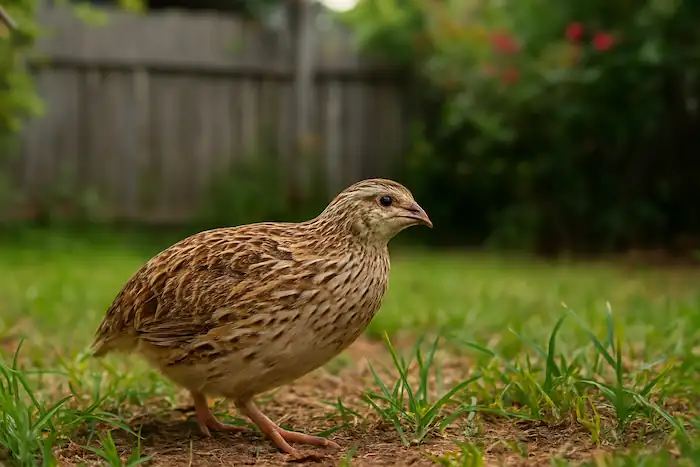
Quails may be small birds, but they can waste a surprising amount of feed. A lot of this happens because of their natural behavior. In the wild, quails like to scratch and kick around while looking for food. When they do the same thing around a feeder, the feed easily gets scattered outside. They also tend to pick out their favorite bits and leave the rest behind, which creates even more waste. If several quails try to eat at the same time, they often rush and push around, causing feed to spill on the ground.
Sometimes the feeder itself makes the problem worse. Open trays, shallow bowls, or feeders with wide openings allow birds to scratch and toss feed out easily. Feeders without anti-scratch grates or barriers also let quails waste more than they actually eat. Understanding these habits is important because the right feeder design can reduce waste and keep your quails’ feed where it belongs.
Hidden Costs of Feed Waste
Feed waste doesn’t just mean a little food on the ground. Over time, it can create several problems that many quail keepers don’t realize at first.
Extra Money Spent on Feed
When quails keep throwing feed out of the feeder, it runs out much faster. I noticed that I had to buy feed more often than expected, even though the birds weren’t actually eating that much. For small homesteaders or backyard keepers, this extra cost can quietly add up over time.
Health Risks for Your Quail
Spilled feed on the ground can quickly get dirty. It often mixes with droppings, bedding, and moisture. Once feed gets damp, mold and bacteria can start growing in it. If quails eat contaminated feed, it can increase the chances of illness and disease in the flock.
Attracting Unwanted Pests
Loose feed scattered around the coop can easily attract pests. Rodents, insects, and even wild birds see it as an easy food source. These pests can bring diseases with them and may also stress or harm your quails.
More Work for You
Feed waste also means extra work. I found myself cleaning up spilled feed more often and refilling feeders more frequently than necessary. Over time, this becomes an annoying routine that takes up extra time and effort.
After trying different feeder styles over the years, this is the one I keep coming back to. The CluckRoots No-Waste Quail Feeder (Shop on Amazon) solves two of the biggest problems I face with quail: feed waste and limited cage space.
What impressed me first was the outside-hanging design. Instead of taking up valuable room inside the cage, it mounts on the outside, giving my quail more space to move around while keeping the feed much cleaner. Since the birds can’t climb into the feeder, there’s no chance of droppings or bedding contaminating their food.
The real standout feature, though, is the 1.5-inch feeding ports. They’re perfectly sized for my adult Coturnix quail, allowing them to eat comfortably without scratching or flinging feed everywhere. After switching to this feeder, I noticed a significant drop in feed waste, which means I’m getting much better value from every bag of feed I buy.
Another feature that makes daily care easier is the large feed capacity. It holds around 4 pounds of feed, so I’m not constantly topping it up. The clear viewing window lets me check the feed level in seconds, and when it needs refilling, I simply lift the lid and pour in more feed from outside the cage. I don’t even have to disturb the birds.
The feeder itself feels incredibly solid. It’s made from heavy-duty galvanized steel with a rust-resistant finish, so I’m confident it’ll last for years. Taking it off for cleaning is just as easy as installing it, which makes routine maintenance much less of a chore.
The only thing I’d recommend is keeping it under a roof or in a covered run. While the feeder is built for outdoor use, it’s not completely waterproof. If rain gets inside, damp feed can clog the bottom and spoil, so a sheltered location is the best way to get the most from it.
Overall, this has become my favourite quail feeder because it combines smart design, durability, and excellent feed-saving performance. If reducing waste is your main goal, this is the feeder I’d recommend before any other.
Pros
Outside-mounted design frees up cage space
Feed stays cleaner because birds can’t climb into it
1.5-inch ports greatly reduce feed waste
Holds about 4 pounds of feed
Quick outside refilling with a clear feed-level window
Heavy-duty galvanized steel construction
Simple to remove for cleaning
Best Budget Option: Teenyyou 10-Pack No-Waste Quail Feeder Ports
If you already have a bucket, storage bin, or feed container, you don’t necessarily need to spend money on a complete feeder. The Teenyyou 10-Pack No-Waste Quail Feeder Ports (Shop on Amazon) offer an inexpensive way to build your own feeding system while helping reduce feed waste.
Instead of replacing your existing container, these ports fit into a 1¾-inch drilled hole, turning an ordinary bucket or bin into a gravity-fed quail feeder. The 1½-inch opening is designed for Coturnix quail and other small poultry, allowing them to reach the feed comfortably while limiting how much they can scratch or fling onto the ground.
One advantage of this kit is the quantity. With 10 feeder ports included, you can build several feeders or add multiple feeding stations to larger pens without spending much. The PETG plastic construction is reusable, easy to wash, and suitable for both indoor and outdoor use.
That said, these are only the feeder ports, not a complete feeder. You’ll need to provide your own bucket or feed container and drill the mounting holes yourself. If you’re comfortable with a simple DIY project, however, it’s an affordable way to create a custom feeder that suits your setup.
Pros
Budget-friendly alternative to commercial feeders
Includes 10 feeder ports for multiple DIY projects
Helps reduce feed waste compared with open containers
Suitable for Coturnix quail and other small birds
Durable, reusable PETG plastic
Easy to clean
Cons
Requires a bucket or feed container
Installation involves drilling holes
Not a ready-to-use feeder
Designing an Efficient No-Waste Quail Feeder
After dealing with feed waste for a while, it becomes clear that the feeder design matters a lot. A good feeder doesn’t just hold feed, it helps keep it from getting thrown out, spoiled, or eaten by pests.
Features That Help Reduce Waste
Some simple design features can make a big difference. Feeders with anti-scratch grates or slightly sloped surfaces stop quails from scratching feed out with their feet. Hooded or covered feeders also help because birds can’t kick feed around as easily.
Another helpful feature is a narrow opening that only allows the quail to put its head inside. This keeps them from digging through the feed. Gravity-fed feeders are also useful since they only release more feed as the birds eat what’s already there.
Choosing the Right Size Feeder
Feeder size should match the number of quails you have. I realized that if a feeder is too small, you end up refilling it all the time. But if it’s too big, feed can sit there for too long and become stale or even moldy. A feeder that holds just the right amount keeps the feed fresh and saves time.
Strong and Safe Materials
A good feeder should be made from strong and safe materials. Many people use food-grade PVC, durable plastic, or galvanized metal because these materials last longer and are safe for birds. The feeder should also be tough enough to handle pecking and occasional gnawing. Smooth edges are important too, since sharp edges can injure quails.
Easy to Clean and Maintain
Cleaning the feeder regularly is important for keeping quails healthy. Feeders that can be easily opened or taken apart make cleaning much simpler. Smooth surfaces are also better because they are easier to wash and sanitize. It should also be easy to check inside the feeder so old or spoiled feed can be removed quickly.
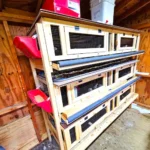
A well-designed feeder works best when it is placed inside a properly planned setup, such as a stackable or indoor quail cage that keeps feed clean and accessible.
Protection from Pests and Weather
A good feeder should also help keep pests away. Designs that limit openings or keep feed enclosed make it harder for rodents and insects to reach it.
At the same time, it’s important to protect feed from weather. If the feeder is outside, covering it or placing it under a roof helps keep rain, humidity, and direct sunlight from damaging the feed.
Your Options: DIY vs. Commercial Quail Feeders
When it comes to quail feeders, you generally have two choices: build one yourself or buy a ready-made feeder. Both options can work well, but each has its own advantages and drawbacks.
DIY Feeders
Building your own feeder can be a good option if you like simple projects. It’s usually cheaper, and you can design it exactly the way your coop needs. I’ve also used recycled materials like plastic containers or PVC pipes, which helped save my money. There’s also a nice feeling of satisfaction when something you built actually works.
However, DIY feeders do take time and a few basic tools. If the design isn’t planned properly, it might still allow quails to waste feed. The durability also depends on how well the feeder is built.
Commercial Feeders
Buying a commercial feeder is the easier option. These feeders are usually designed and tested by manufacturers, so they often work well right away. They’re convenient, easy to set up, and often have features meant to reduce waste.
The downside is the cost. Commercial feeders are usually more expensive, and you can’t customize them as much. Sometimes they also don’t fit perfectly inside every coop, and it can be hard to know if they truly reduce waste unless you check user reviews.
Common Types of Quail Feeders
1. Hanging Feeders
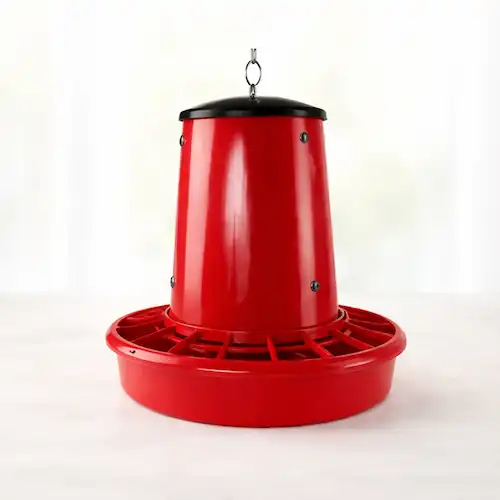
Hanging feeders are suspended from the coop ceiling or frame. Because they stay off the ground, the feed stays cleaner and is less likely to mix with bedding or droppings. They can also help reduce pest problems. The main downside is that they can swing around, and they need a proper place to hang them.
If you’re looking for an affordable feeder that gets the job done, this TOHONGADON 4-Pack Hanging Quail Feeder (Shop on Amazon) is a solid choice. It hangs directly onto wire cages, freeing up floor space while keeping feed cleaner than open dishes. The six feeding slots allow multiple quail to eat at once, and the removable design makes cleaning quick and hassle-free. It’s a practical option for small backyard flocks without spending much.
2. Ground Feeders
Ground feeders sit directly on the floor of the coop. Some designs include grates or restricted openings to reduce waste. Quails can easily reach them, and the design is usually simple. However, these feeders can sometimes collect bedding or dirt if they’re not designed carefully.
3. Trough Feeders
Trough feeders are long feeders where several quails can eat at the same time. Some versions include anti-scratch grates or small hoods to stop birds from throwing feed out. They are simple and practical, especially for larger groups of quails. Still, if they’re not designed properly, some feed waste can still happen.
The MACGOAL Flip Top Chick Feeder (Shop on Amazon) is a practical choice for brooders and small quail pens. Its covered trough design helps keep feed cleaner by reducing contamination from droppings, while the smooth plastic construction is lightweight, safe, and easy to wash. I think it’s a good option for young quail or small backyard flocks that need a simple, low-maintenance feeder.
4. Gravity-Fed Feeders
Gravity-fed feeders store feed in a container and slowly release more as the birds eat. This means feed is always available, and you don’t have to refill them as often.
I found these feeders helpful for reducing waste because the feed drops down gradually instead of sitting in an open tray. The only issue is that very dusty feed can sometimes clog the opening if the design isn’t right.
Choose the Right Feeder for Your Quail
The best feeder can also depend on the type of quail you keep. Smaller quail breeds may need feeders with smaller openings, while larger quails or bigger flocks often benefit from feeders with more capacity. Picking the right design makes feeding easier and helps reduce waste at the same time.
Build Your Own: Simple DIY Quail Feeder Ideas
If you enjoy simple projects, building your own quail feeder can be a great option. It can save money and also lets you design something that fits your coop perfectly. While working on a few DIY feeders, a few basic things make the process much easier and the feeder more effective.
Start with Safety
Before starting any DIY project, safety should always come first. When cutting or drilling materials, it’s a good idea to wear safety glasses and gloves. Tools can slip or small pieces can fly off while working. It also helps to make sure your work surface is stable so the materials don’t move while you’re cutting or assembling the feeder. If you’re using power tools, take a moment to get comfortable with them before starting.
Measure Carefully
Accurate measurements are very important when building a feeder. Using a measuring tape or ruler helps make sure everything fits properly. Even small mistakes can create gaps where feed spills out or pests can get in. Careful cutting and drilling also help the feeder work the way it’s supposed to.
Choose the Right Materials
The materials you use can affect how long the feeder lasts. Strong, non-toxic materials are always the best choice for anything that holds animal feed. Many DIY quail keepers use food-grade PVC pipes, durable plastic containers, or sturdy buckets.
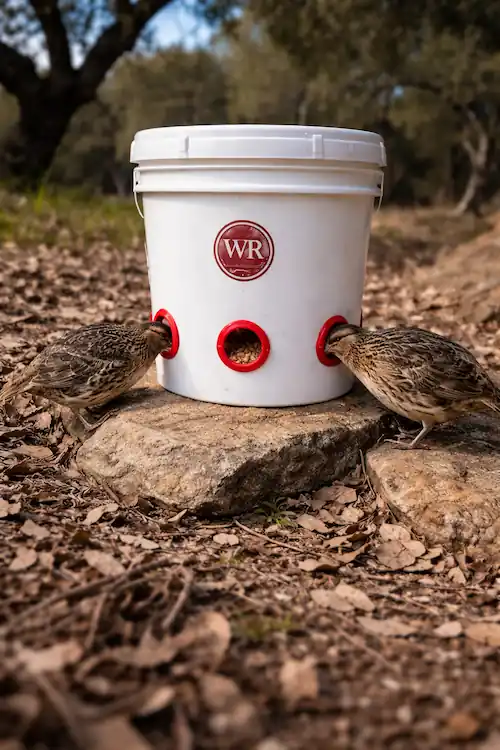
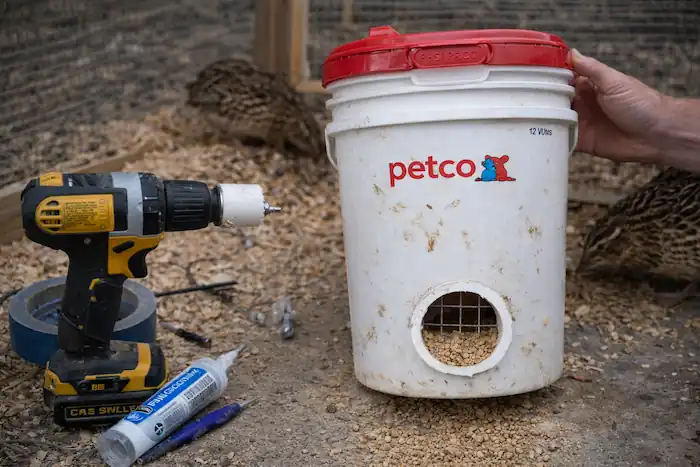
A simple 5-gallon bucket can even become a high-capacity feeder with the right design. For preventing feed waste, adding a small anti-scratch grate made from wire mesh or hardware cloth can also help keep quails from kicking feed out.
DIY Plan 1: The PVC Tube Feeder
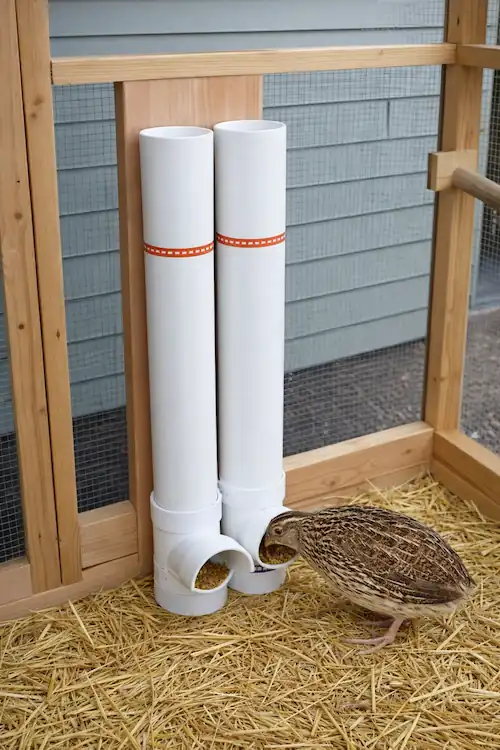
One of the simplest feeders I have built for quails is a PVC tube feeder. It holds a good amount of feed and helps reduce waste because the openings stay controlled.
Materials I Used
PVC pipe (3-inch or 4-inch diameter works well)
PVC caps or end fittings
PVC T or Y connectors for the feeding ports
PVC cement or food-grade silicone sealant
Hanging hooks or wire if you want to hang the feeder
Step-by-Step Instructions
I start by cutting the PVC pipe to the length I want for the feed reservoir.
Then I attach a cap to the bottom of the pipe so the feed stays inside.
After that, I mark the spots where the feeding ports will go. These are usually placed using PVC T or Y connectors.
I cut the openings and fit the connectors tightly, securing them with PVC cement or sealant.
Next, I place a removable cap on the top so refilling the feeder is easy.
If the feeder will stay outside, I drill a few tiny drainage holes to keep moisture from building up.
This simple design works well in most coops and keeps feed from being scratched out too easily.
DIY Plan 2: The 5-Gallon Bucket Feeder
Another feeder I have constructed many times is the 5-gallon bucket feeder. It’s cheap, easy to make, and holds a lot of feed, which is helpful if you keep a bigger flock.
Materials I Used
One food-grade 5-gallon bucket with a lid
Small PVC elbow pieces (around 2 inches) or small plastic feed dishes
Cordless drill with a hole saw
Food-grade silicone sealant
Chain or wire if you want to hang the bucket
Step-by-Step Instructions
First, I wash the bucket thoroughly so it’s clean and safe for feed.
Then I mark the height where the feeding openings will go. The holes should be low enough for quails to reach comfortably but not so large that feed spills out.
Using a hole saw, I drill several evenly spaced holes around the bottom part of the bucket.
Next, I insert PVC elbows or attach small dishes to form the feeding ports and seal them properly.
I drill small holes in the lid if I plan to hang the feeder or allow airflow.
Finally, I fill the bucket with feed and close the lid tightly.
This feeder works great because it stores a lot of feed and only releases small amounts where the birds eat.
DIY Plan 3: Modified Container Feeder
I have also built feeders using containers that were already available around the house. Many everyday containers can be turned into a quail feeder with a few simple changes.
Containers You Can Use
Large plastic storage bins
Pet food containers
Strong laundry detergent bottles
The key thing I always check is that the material is food-safe and non-toxic.
Simple Modifications
To make these containers work well as feeders, I usually:
Cut small openings just large enough for quail heads
Add a wire grate or barrier inside to stop scratching
Shape the bottom slightly so feed naturally slides toward the opening
The tools are mostly the same as other DIY projects: a drill, cutting tool, and sealant, but the design can be adjusted depending on the container you’re using.
If you’re planning to grow your flock, you may also want to read our guide on how to incubate and hatch quail eggs, which explains the full hatching process step by step.
Reviews of Popular Commercial Quail Feeders
If you don’t want to build a feeder yourself, there are several ready-made options on the market. I’ve tested a few commercial feeders in quail setups, and each one has its own strengths depending on your flock size and coop setup.
When I know I’ll be busy for a few days, this is the feeder I trust the most. Unlike standard gravity or port-style feeders, Grandpa’s Feeders only opens when a bird steps on the treadle, so the feed stays protected the rest of the time. That single feature has made a noticeable difference in keeping rats, wild birds, and insects away from my feed.
Another reason I keep using it is its generous 20-pound capacity. Instead of topping up the feeder every day, I can leave enough feed for several days, which is a huge advantage if you’re managing a larger flock or planning to be away for the weekend.
The galvanized steel construction is another standout. It feels exceptionally solid and is built for years of outdoor use without the cracking or warping that can happen with plastic feeders. Even after regular exposure to the elements, it continues to perform reliably.
One design detail I particularly appreciate is the enclosed lid. It keeps rain, snow, and debris out, so the feed stays dry and fresh for much longer. The built-in side guards are another thoughtful addition, helping prevent birds from feeding from awkward angles where pecking and crowding are more likely to happen.
Like any treadle feeder, there is a short training period. I introduced my birds to it gradually by following the manufacturer’s instructions, and once they understood how the pedal worked, they started using it confidently.
If you want a feeder that minimizes daily maintenance while protecting feed from pests and bad weather, Grandpa’s Feeders is one of the most dependable options I’ve used. It’s a bigger upfront investment, but the sturdy construction and convenience easily justify the price over the long run.
Plastic body may not last as long as metal feeders in harsh outdoor conditions
Best For: Medium flocks and keepers who want a versatile feeder.
Customizing Your DIY Feeder
One thing I like about building feeders myself is that I can adjust them to fit the coop and the flock.
Adjusting for Flock Size
If you have more quails, you can simply make a larger feeder or add more feeding ports. For a small flock, a compact feeder usually works just fine. Placement also matters. Indoor feeders may not need weather protection, but outdoor feeders should always be covered.
Adding Anti-Roosting Features
Quails sometimes sit on feeders, which can contaminate the feed. To prevent this, I often add a slightly sloped top or a small wire barrier so birds can’t perch on it.
With a few small adjustments like these, a simple DIY feeder can work just as well as many commercial ones while costing much less.
Even a well-designed feeder can have small issues from time to time. When something isn’t working right, I usually start by watching how the quails interact with the feeder.
Feed Still Getting Wasted
If feed keeps spilling out, I look at a few things.
Sometimes raising or lowering the feeder slightly helps.
Smaller openings can reduce scratching and spillage.
Adding a simple wire grate can stop birds from kicking feed out.
I also check whether too many quails are trying to use one feeder.
Small adjustments like these usually solve the problem.
Feed Getting Stuck
Gravity feeders can sometimes clog.
I make sure the feed is the right type, usually game bird crumbles.
Too much dusty feed can also cause blockages.
If needed, I lightly tap the feeder to loosen the feed inside.
A smooth feeder design and good quality feed prevent most clogging problems.
Pests Showing Up
Spilled feed attracts rodents and insects quickly.
I always check that the feeder is properly sealed.
Any feed on the ground gets cleaned up right away.
Keeping the coop area tidy helps discourage pests from hanging around.
Mold or Spoiled Feed
Moisture is usually the main cause.
I keep feeders protected from rain and humidity.
Feed storage containers also stay sealed and dry.
In humid weather, I clean the feeder more often.
Watching Feed Consumption
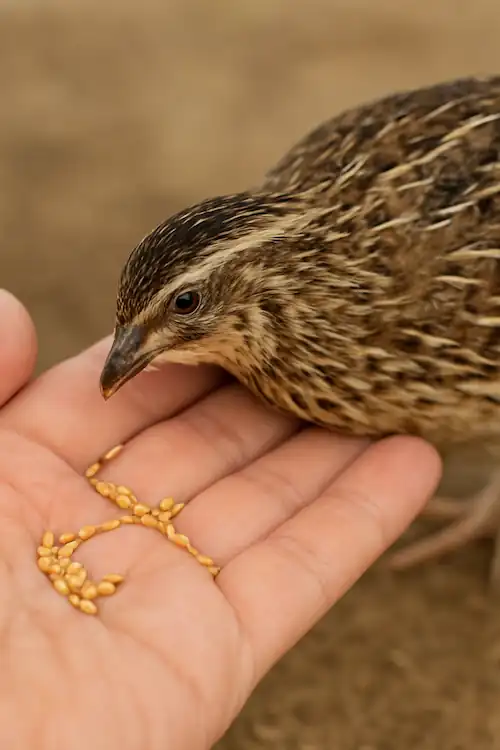
I also keep an eye on how quickly the feed disappears. When the birds suddenly eat much less or much more than usual, it can signal a problem. Monitoring feed usage helps me adjust quantities and sometimes even catch health issues early.
David Carter, founder of Farmstead Guide, has over 20 years of hands-on homesteading experience. From raising poultry to practicing sustainable farming, he shares practical tips and insights to help others live a more self-sufficient lifestyle.