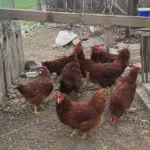
If you’re new to backyard chickens, you’ll probably hear people talk about Black Sex Link chickens a lo, and for good reason. These birds are a super popular hybrid, mainly bred to lay loads of eggs and make life easier for keepers. One of the coolest things about them is that you can tell males and females apart right after they hatch, which saves a lot of guesswork.
They usually come from crossing a Rhode Island Red rooster with a Barred Rock hen, although similar mixes can give the same result. What really makes them stand out is how reliable and easy-going they are. They’re calm, friendly, and perfect for beginners or small homesteads.
A lot of chicken keepers even call them the workhorse of the coop. They’re not flashy, but they get the job done; laying consistently and handling different conditions really well. I’ve noticed chicken experts quote that if you just want steady eggs without the hassle, Black Sex Links are always a safe bet.
If you’re exploring other beautiful and productive breeds, you might also like Blue Laced Red Wyandotte chickens, known for their stunning feather patterns and balanced egg production.
Black Sex Link Chickens: Genetics, Looks, and Personality
What Does “Sex Link” Actually Mean?
The name “sex link” can sound confusing at first. Basically, it just means you can tell if a chick is male or female right when it hatches, just by looking at its color. This happens because of special genes passed down from the parent chickens.
If you’re still unsure about your flock? Learn how to tell a rooster from a hen to better manage your chickens from an early stage.
How Black Sex Links Are Created
Black Sex Links are usually made by crossing a Rhode Island Red rooster with a Barred Rock hen. Now here’s the interesting part: the genetics from these two breeds work in a way that creates visible differences in the chicks.
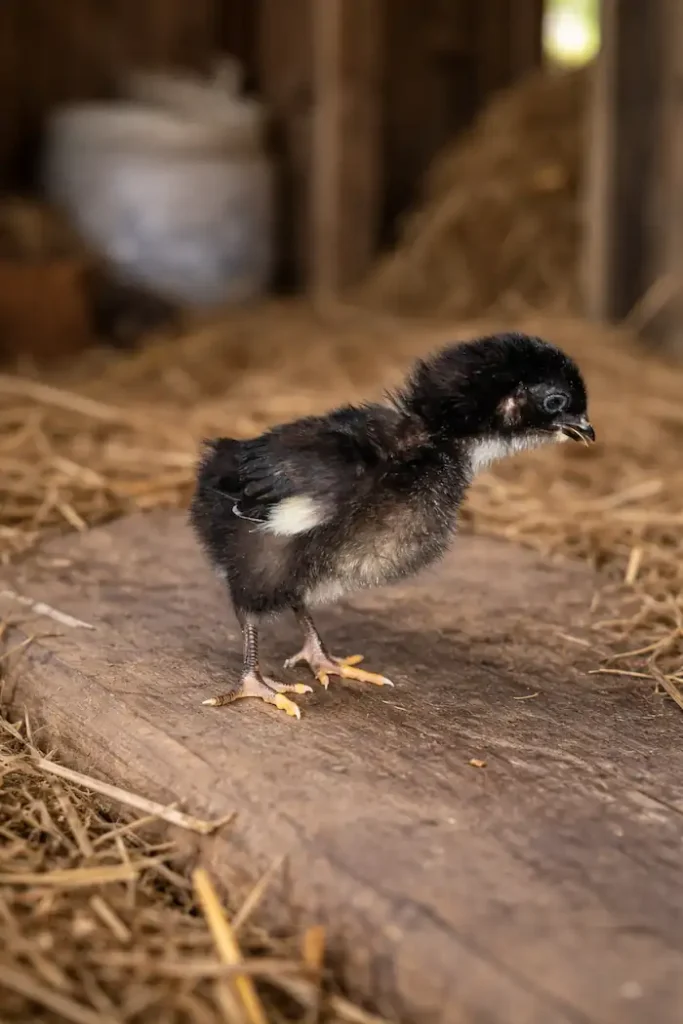
Female chicks usually come out mostly black, while male chicks have lighter markings or even a white spot on their head. Because of this, farmers and backyard keepers can tell the gender with over 99% accuracy right away; no guessing needed.
Why This Matters for Chicken Keepers?
This is a huge advantage if you’re raising chickens. You don’t end up feeding and caring for unwanted roosters, which can be a big headache for small flock owners.
Appearance
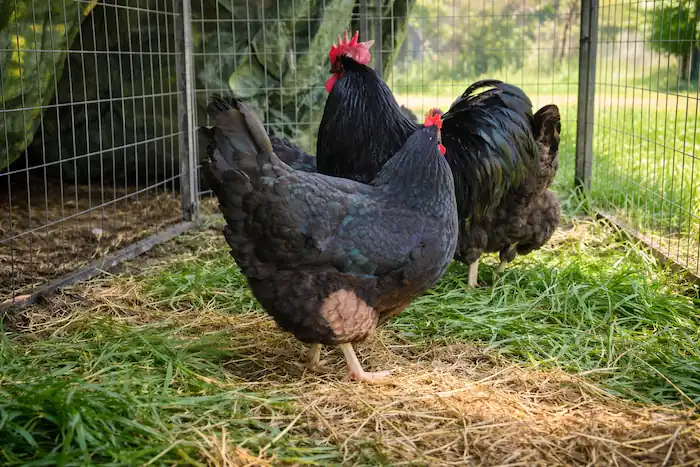
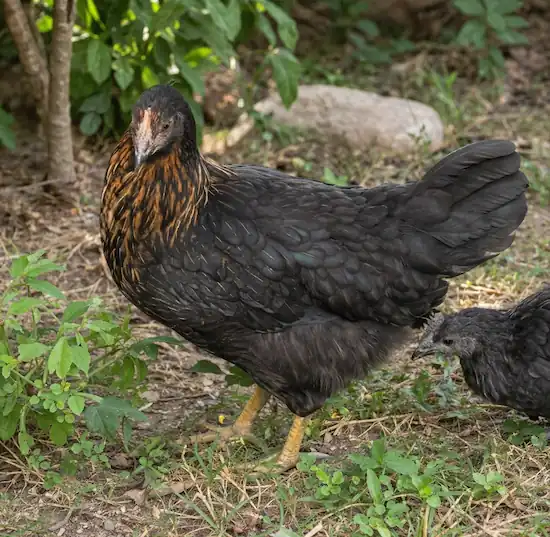
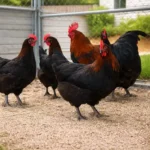
Now let’s talk about how these chickens look as they grow. Black Sex Links are mostly black, but they’re not plain at all. They usually have beautiful gold or copper feathers around their neck and chest, which makes them stand out. They have a bright red, upright comb and dark legs, often gray or black. In terms of size, they’re medium birds, with hens usually weighing around 5 to 7 pounds.
Personality and Temperament
When it comes to personality, this is where they really shine. Black Sex Links are known for being calm, friendly, and easy to handle. They’re curious birds and often enjoy being around people. Because of their gentle nature, they’re a great choice if you have kids or just want chickens that are easy to manage.
They also do really well in mixed flocks. They’re not aggressive and usually get along fine with other breeds. That said, whenever you add new chickens to your flock, don’t just throw them in together.
It’s always better to introduce them slowly. Keep the new birds in a separate area where they can see each other first, then allow short, supervised meetups. This helps avoid fighting and stress.
A simple tip: always keep an eye on flock behavior in the beginning. Even calm chickens can get picked on if introductions are rushed. Taking it slow makes a big difference and helps keep your flock peaceful.
Lifespan and Egg Production
It’s also helpful to understand chicken lifespan, especially when planning a long-term flock. Black Sex Links usually lay the most eggs for about 2–3 years. After that, they slow down, but they can still live 5–8 years or even longer.
The Egg-cellent Producer
How Many Eggs Do Black Sex Links Lay?
Black Sex Link chickens are known for one thing; lots of eggs. A healthy hen can lay around 250 to 300+ eggs per year, which is seriously impressive. During their peak time, they usually give you about 5 to 6 eggs every week, so you’ll have a steady supply almost daily.
When Do They Lay the Most?
These hens don’t waste time. They usually start laying at around 18 to 22 weeks old, that’s about 4–5 months. Their best production happens in the first 1 to 2 years, where they lay the most eggs consistently. After about 2–3 years, you’ll notice production slowly dropping. They don’t stop completely; they just lay fewer eggs as they get older.
Egg Size and Color
Black Sex Links don’t just lay a lot. They lay good-sized eggs too. Most of their eggs are large to extra-large, and they come in a nice brown color. Another great thing is consistency. You can rely on them to lay regularly without long breaks.
For those interested in darker eggs, check out Black Copper Marans chickens and their eggs and care, which are famous for their rich chocolate-colored eggs.
If you’re comparing similar breeds, take a look at Silver Laced Wyandotte chickens and their care and egg production, as they share some traits but differ in appearance and output.
What Helps Them Lay More Eggs?
If you want the best egg production, a few things really matter:
Good feed: Use a high-quality layer feed. This gives them the nutrients they need to keep laying regularly.
Lighting: Chickens need about 14 to 16 hours of light daily to keep laying, especially in winter.
Low stress: Things like overcrowding, extreme heat or cold, and predators can reduce egg production.
Age: Younger hens lay more. It’s normal for output to drop as they get older.
In winter, when days are shorter, egg production often drops. You can fix this by adding a small LED light in the coop on a timer. Keep total light time between 14–16 hours a day. Don’t go overboard as too much light can stress the birds and actually reduce production over time.
What to Do with Extra Eggs
During peak seasons, you might end up with more eggs than you can use. It’s a good problem to have, but still something to plan for. You can:
Sell eggs to neighbors or at local markets
Share or donate them
Use them in cooking or baking
Preserve them by freezing, dehydrating, or using methods like water glassing
Having a plan for extra eggs makes sure nothing goes to waste and can even help you earn a little extra on the side.
Comprehensive Care for Your Black Sex Link Flock
Coop Setup
Make sure, you’re giving your black sex link chickens enough room by reading how much space chickens really need, which directly affects their health and egg production.
To keep your Black Sex Link chickens happy and productive, space really matters. Inside the coop, aim for about 3–4 square feet per bird, and in the outdoor run, give them 8–10 square feet each so they don’t feel crowded.
For sleeping, each chicken needs about 8–12 inches of roosting space. Make sure the roost bars are strong and wide enough so they can sit comfortably at night.
You’ll also need nesting boxes; one box for every 3–4 hens is enough. Keep these clean and filled with soft bedding so they lay eggs in the right place.
Ventilation is just as important. Fresh air helps prevent bad smells and breathing problems, but avoid direct cold drafts hitting the birds.
And don’t forget safety. Use strong wire mesh (½-inch hardware cloth), secure locks, and a covered run to protect them from predators like dogs, cats, or wild animals.
In winter, add some insulation or use the deep litter method of layering bedding to keep the coop warmer and more comfortable.
Feeding by Age
Black Sex Links need different feed at different stages of life:
Chicks (0–8 weeks): Use chick starter feed with 18–20% protein
Pullets (8–18 weeks): Switch to grower feed with 16–18% protein
Laying hens (18+ weeks): Use layer feed with 16–18% protein + calcium
If you’re just starting with chicks, don’t miss this guide on what to feed newborn baby chicks, as early nutrition is critical for healthy growth. For strong eggshells, always provide oyster shells or another calcium source in a separate container.
Treats like grains, fruits, or veggies are fine, but keep them under 10% of their daily diet. Too many treats mean they won’t get enough nutrients from their main feed. For a complete feeding plan, check out what to feed chickens and what not to, so you avoid common mistakes.
Feeding can also be simplified with automatic chicken feeders, which help reduce waste and save time.
Daily and Weekly Care Routine
Taking care of your flock doesn’t have to be complicated, but consistency is key.
Daily Tasks
Refill clean water and feed
Collect eggs
Quickly check if any bird looks sick or injured
Weekly Tasks
Clean dirty bedding
Refresh nesting boxes
Do a quick coop cleanup
Also, make sure they have a place for dust baths. This can be a simple area with dry soil or sand. You can mix in a bit of food-grade diatomaceous earth to help control mites and parasites.
If you stay consistent with small daily tasks, you’ll avoid bigger problems later. Clean water, good feed, and a tidy coop go a long way. To make daily care easier, you can explore the best automatic chicken waterers and whether to DIY or buy, especially helpful for busy keepers.
Seasonal Care
Spring (March–May)
This is when egg production usually increases. Chickens may also become broody, wanting to sit on eggs. If they have access to grass, they’ll enjoy fresh greens and bugs.
Summer (June–August)
Heat is the biggest issue. Make sure they have plenty of water, shade, and airflow. You can even add frozen water bottles to help them cool down. Watch for signs of heat stress like panting.
Autumn (September–November)
This is molting season; chickens lose old feathers and grow new ones. Egg production may drop during this time. Increase protein in their diet to help with feather regrowth and start preparing the coop for colder weather.
Winter (December–February)
Cold weather slows down egg laying. Keep the coop dry and protected from wind. Use extra bedding for warmth and consider adding a light to maintain 14–16 hours of daylight. Also, make sure their water doesn’t freeze.
Common Health Issues to Watch
Black Sex Link chickens are strong birds, but because they lay so many eggs, they can sometimes face problems like egg binding. This happens when an egg gets stuck inside the hen.
Watch for signs like:
Straining or struggling
Sitting still and looking tired
Not eating
Walking like a penguin
If this happens, a warm bath, gentle massage, and extra calcium can help, but act quickly.
Keep Them Healthy
Most health problems can be avoided with simple care:
Keep the coop clean and dry
Give balanced, good-quality feed
Provide fresh water daily
Avoid overcrowding and stress
Also, check your chickens every day. Look for signs like dullness, messy feathers, pale comb, limping, runny nose, or a sudden drop in eggs.
Quick Health Boost Tips
Use electrolytes or probiotics if chickens are stressed or recovering
Keep a basic first aid kit like antiseptic spray, bandage, etc. ready
Regular quick checks help catch problems early before they get serious
Can You Breed Black Sex Links?
Black Sex Links are hybrids, not pure breeds. That means if you breed them together, their chicks won’t turn out the same. You’ll get mixed results, not true Black Sex Links.
So if you want more of them, the best option is to buy new chicks from the original cross (Rhode Island Red × Barred Rock), instead of trying to breed them yourself.
If you’re thinking about raising your own flock from scratch, this complete guide to breeding chickens, hatching, and raising chicks will help you understand the full process.
Is a Black Sex Link Chicken Right for You?
If you’re wondering whether Black Sex Links are right for you, this will help you see what to expect.
The Good Stuff (Pros)
They lay a lot of eggs, around 250–300+ per year
Very calm and friendly, great if you have kids or want easy-to-handle chickens
Hardy birds, they adjust well to both hot and cold weather
You can tell male and female chicks at hatch, which saves time and money
They’re good foragers, so they can find some of their own food if given space
Cost vs. benefit: You’ll spend on feed, but their high egg production usually makes up for it. In simple terms, they give you good value for money.
The Downsides (Cons)
They lay the most eggs for only 2–3 years, then slow down
You can’t breed them true, so you’ll need to buy new chicks
Because they lay so much, they can sometimes have egg-related health issues
So, Should You Get Them?
If your main goal is getting lots of eggs with low hassle, Black Sex Links are a great choice. But if you want chickens for long-term breeding or showing, they might not be the best option.
Black Sex Links are usually black with some gold or copper feathers and have a lighter body. Barred Rocks have black-and-white striped (barred) feathers and are a bit heavier.
David Carter, founder of Farmstead Guide, has over 20 years of hands-on homesteading experience. From raising poultry to practicing sustainable farming, he shares practical tips and insights to help others live a more self-sufficient lifestyle.