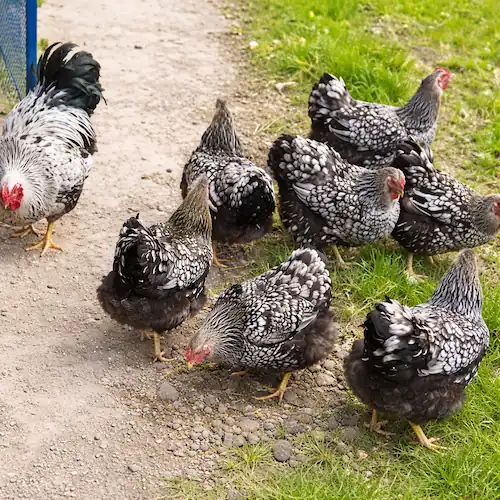
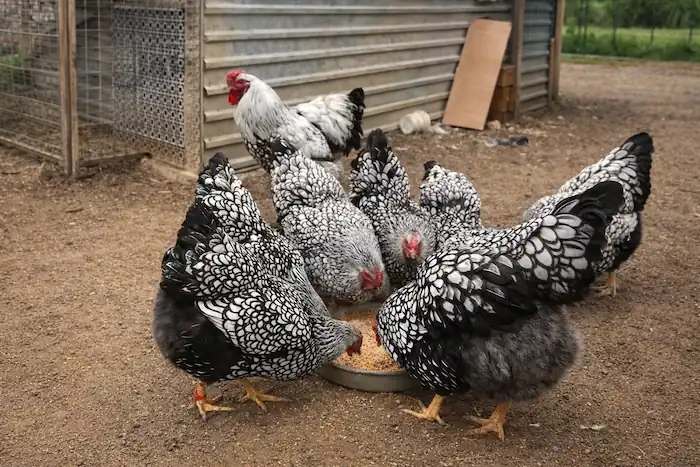
The Silver Laced Wyandotte is one of those rare chicken breeds that balances beauty and practicality. It’s not only a show bird or a utility bird; it comfortably fits into both worlds. With their crisp black-and-white pattern and calm demeanor, these birds are the first to catch my attention in our backyard flock.
Silver Laced Wyandottes are loved as much for what they do as for how they look. They’re steady egg layers, fairly easy to care for, and known for their gentle nature, making them a favorite among homesteaders, hobby farmers, and first-time chicken keepers alike.
Origins and History
The Silver Laced Wyandotte is a true American breed, developed in the United States during the late 1800s. It was named after the Wyandot Nation, a Native American tribe, which reflects its North American roots. From the start, breeders focused on creating a chicken that could adapt to different climates while remaining productive.
These birds were bred as a dual-purpose breed, meaning they were meant to provide both a good amount of meat and a steady supply of eggs. That combination quickly made them popular with small farmers who wanted reliable birds without needing separate breeds for different purposes.
Their popularity grew fast, not only because they were hardy and productive, but also because their silver-laced feather pattern was unlike anything most people had seen. Today, the Silver Laced Wyandotte is officially recognized by the American Poultry Association, which sets breed standards and preserves its history, thereby enhancing its credibility and long-standing reputation.
Why Choose Silver Laced Wyandottes?
Silver Laced Wyandotte is in the list of my top 5 favorite chickens. I don’t remember our backyard being without this chicken for the last 10 years at our Carter Farmstead. There’s a reason this breed continues to rank high among backyard chicken keepers.
Eye-catching appearance: Their clean silver feathers, edged in black, make them one of the most striking chickens you can own.
Calm temperament: Silver Laced Wyandottes are generally relaxed and easygoing, which makes them easier to manage and a good choice for families.
Reliable productivity: They lay a solid number of brown eggs and also grow large enough to be useful as a meat bird.
Cold-weather friendly: Thanks to their rose comb and dense feathers, they handle cold climates better than many other breeds.
Whether you’re building your first flock or adding a dependable breed to an existing one, Silver Laced Wyandottes offer a reassuring mix of beauty, usefulness and easy care, all wrapped into one well-rounded chicken.
Silver Laced Wyandotte Characteristics: Hens vs. Roosters
Silver Laced Wyandottes are best known for their eye-catching feather pattern, but there’s much more to this breed than good looks. Once you spend time around them, the differences between hens and roosters become quite clear.
These differences show up not only in size and appearance, but also in behavior and maturity. Understanding these traits is especially helpful if you’re new to chicken keeping or trying to decide whether this breed fits your setup.
Physical Traits and Plumage
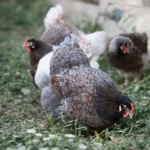
Silver Laced Wyandottes have one of the most recognizable feather patterns in the poultry world. Each feather is silver-white in the center with a sharp black outline around the edges, creating the laced look the breed is named for. When well-bred, the lacing appears clean and even across the body, giving the bird a polished appearance.
Their body shape reflects their dual-purpose background. These chickens are medium-sized, broad, and well-rounded, with deep chests and sturdy frames. They are neither overly tall nor delicate, making them well-suited to both egg production and meat production.
One of their most practical features is the rose comb, which sits low and flat against the head. This comb type reduces the risk of frostbite, making Silver Laced Wyandottes a reliable choice in colder climates.
The breed standard includes yellow legs and yellow skin, along with reddish-bay eyes that give the birds a calm yet alert expression. These physical traits are officially recognized by poultry authorities such as the American Poultry Association, which helps preserve consistency and quality within the breed.
Size and Overall Build
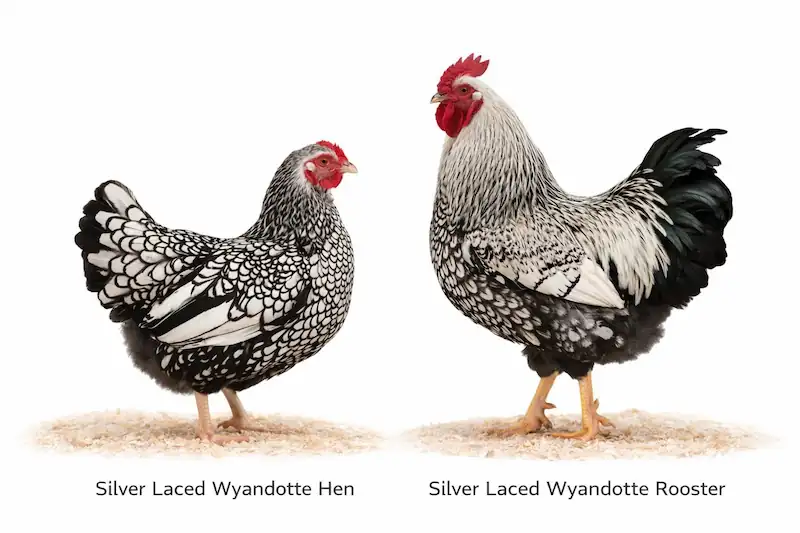
Silver Laced Wyandotte hens are medium-sized and compact, usually weighing between 6.5 and 7.5 pounds. Their bodies are wide and deep, giving them a solid and rounded look that feels sturdy without being bulky.
Roosters, on the other hand, are noticeably larger and heavier, often reaching 8.5 to 9.5 pounds. They stand taller than hens and carry themselves with a more upright and confident posture, which is usually one of the first clues when telling the sexes apart.
Plumage and Feather Detail
While both hens and roosters share the same silver-and-black lacing, the way it presents can differ. Hens typically have very even, consistent lacing across their bodies, creating a neat and uniform appearance.
Roosters often have more dramatic feathering, especially around the neck and lower back. Their hackle and saddle feathers are longer and shinier, and their tails are composed of long, flowing feathers that are usually solid black with a green sheen, standing out against the laced body.
Comb, Wattles, and Tail Structure
Hens have a small to medium rose comb that fits closely to the head, along with modest red wattles. These features remain fairly understated throughout their lives.
Roosters develop larger, more pronounced combs that extend further back, along with brighter, fuller wattles and earlobes. The tail is another clear difference.
A hen’s tail is full but moderate in length and carried at a gentle angle, while a rooster’s tail is longer, more arched, and often held higher, showcasing its curved sickle feathers.
Body Shape and Presence
Hens tend to have a rounded, compact shape that gives them a calm, sturdy appearance. Roosters look more angular and powerful with a broader chest and thicker legs. Their stance and movements often convey a sense of authority, especially as they mature.
Spurs, Crowing, and Behavior
Most hens either lack spurs entirely or have very small ones that never fully develop. Roosters grow prominent, sharp spurs on the backs of their legs, which they may use for defense or dominance. Another unmistakable difference is vocalization.
Roosters crow, often daily, particularly in the early morning or when asserting their place in the flock. Hens, of course, do not crow.
Broodiness and Sexual Maturity
Hens may show moderate broodiness, meaning some will sit on eggs and attempt to hatch them. In my experience and based on breeder observations, broodiness varies from bird to bird rather than being a constant trait.
Roosters do not display broody behavior at all. Hens usually begin laying eggs between five and seven months of age, while roosters reach sexual maturity slightly earlier, often between four and six months, when crowing and mating behaviors begin.
Identifying Young Silver Laced Wyandottes
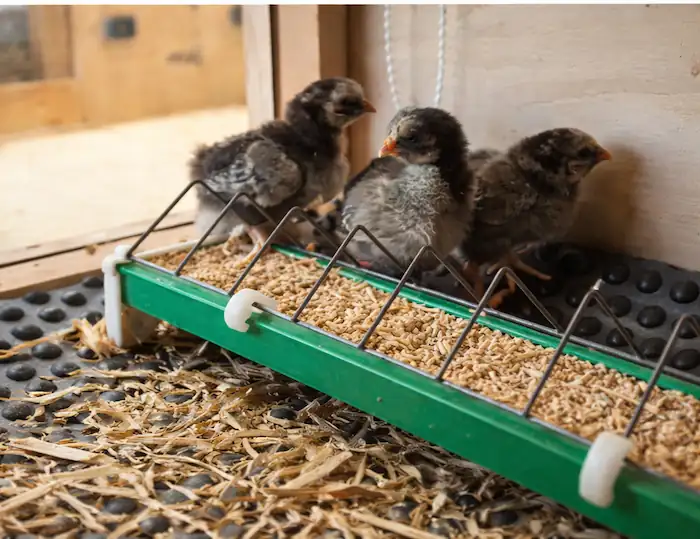
Sexing young Silver Laced Wyandottes can be challenging in the early weeks. Chicks look very similar at first, and feather patterns take time to fully develop. As they grow, differences in comb size, leg thickness and posture may offer clues, but these signs are not always reliable early on.
For the most accurate results, purchasing from an experienced breeder or waiting until the birds mature is usually the safest approach.
Temperament & Personality
When it comes to backyard chickens, temperament matters just as much as eggs or appearance. A calm flock is easier to manage and far more enjoyable to live with, and that’s one area where Silver Laced Wyandottes truly stand out. They’re widely known for their relaxed, friendly nature, though hens and roosters do show some noticeable differences.
Temperament in Silver Laced Wyandotte Hens
Silver Laced Wyandotte hens are gentle, curious, and easy to handle. They’re not overly flighty and usually stay calm around people, especially when raised with regular interaction. With my own birds, this steady temperament has made them a good fit around children, as long as handling stays gentle and respectful.
In our mixed flock, Wyandotte hens tend to blend in without much trouble. I’ve found they’re rarely aggressive but also not easily pushed around, which helps them settle comfortably into the middle of the pecking order. They enjoy foraging and exploring, and giving them space, dust baths, and things to scratch at keeps them content and prevents boredom-related issues like feather picking.
Some hens do go broody from time to time. If chicks aren’t the goal, broodiness needs to be managed early, but when it is, a broody Wyandotte hen can be a dependable and attentive mother.
Temperament in Roosters
Silver Laced Wyandotte roosters are typically alert and protective, often keeping a close watch on the flock. That awareness can be especially useful in free-range setups. Temperament, however, varies more from bird to bird than it does with hens. I’ve handled roosters calmly and consistently from a young age; that’s why they are far more likely to stay manageable as adults.
Observing a rooster’s behavior matters more than relying on breed reputation alone. Watching how he reacts to people and other birds offers valuable insight, and having a backup plan is always wise in case a rooster becomes too assertive for a backyard setting.
Suitability for Families and Mixed Flocks
Silver Laced Wyandotte hens work especially well in family environments due to their calm, steady behavior. With my other birds, they’ve always been easy to manage, even around children. They tend to stay relaxed and predictable, which makes day-to-day care feel simple rather than stressful.
In our mixed flocks, I’ve noticed that both hens and roosters usually get along well with other calm, medium-sized breeds. Problems rarely come up unless there’s an overly aggressive bird in the group. When given enough space and introduced properly, Silver Laced Wyandottes settle in naturally and help keep the overall flock calm and balanced.
Egg Production & Qualities
For most backyard keepers, fresh eggs are a big reason chickens earn their place, and Silver Laced Wyandottes are dependable in that department. They may not be extreme production birds, but they’re consistent and reliable, which is often more valuable in the long run.
Laying Frequency and Seasonality
Silver Laced Wyandotte hens typically lay around four to five medium to large eggs per week. The eggs have a light to rich brown shell and tend to be uniform in size, which makes them practical for everyday use. In my flock, their laying pattern has been steady rather than unpredictable, which makes it easier to plan around.
Like most breeds, egg production can slow down during the colder, darker months. However, Wyandottes usually handle winter better than many other chickens. Thanks to their cold-hardy build and rose comb, they often keep laying more consistently when temperatures drop, especially if their basic needs are met.
Maximizing Egg Production
Consistent egg production starts with proper care. A proper chicken feed is the most essential thing to ensure they lay more eggs. And access to calcium and grit helps maintain strong eggshells.
Light also plays a role. During winter, shorter days can signal hens to slow down, so maintaining around fourteen to sixteen hours of light helps keep production steady. Comfortable, clean nesting boxes encourage hens to lay where they should, and a calm, low-stress environment goes a long way toward that. When hens feel safe, well-fed and undisturbed, they’re simply more productive.
Cold Hardiness & Adaptability
Silver Laced Wyandottes are tough birds that handle cold weather really well, making them a great choice for areas with harsh winters.
Their small rose combs are less likely to get frostbite compared to big single combs, and their thick, dense feathers act like a natural coat, keeping them warm. They’re also good at turning feed into body heat, which helps them stay comfortable when temperatures drop.
Even though they’re cold-hardy, your coop still needs proper care. Make sure it’s well-ventilated but free of drafts, add extra bedding in winter, and provide roosts wide enough for birds to cover their feet with feathers. Keep water from freezing so they can stay hydrated.
In summer, they adjust well too, as long as they have shade, plenty of fresh water, and a well-ventilated coop. With a little care, these birds stay happy and productive in almost any climate.
General Care Requirements for Silver Laced Wyandotte
Keeping Silver Laced Wyandottes healthy and happy is mostly about giving them the right food, space, and daily attention.
Feed and Nutrition
Chicks need a high-protein starter feed (18–20%) for the first 8 weeks. You can know more about chick feed in our in-depth guide about feeding.
From 8–18 weeks, switch to grower feed (16–18%). Once hens start laying, they do best on a layer feed (16–18% protein) with added calcium for strong eggshells.
Roosters or mixed flocks can eat a good all-flock feed (15–16% protein), while hens still get extra calcium. Grit is essential for digestion, especially in free-range birds. Treats are fine, but keep them to no more than 10% of their diet. Don’t forget to use automatic feeders while providing them their best feed.
Housing Essentials
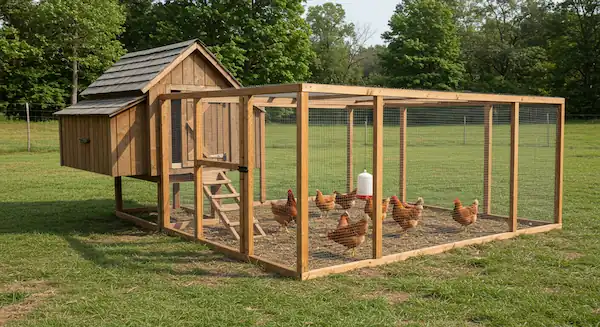
Silver Laced Wyandottes need enough space to move comfortably, about 3–4 sq ft per bird inside the coop and 8–10 sq ft in the run. We’ve earlier discussed the chicken space requirements in detail. Good ventilation is important, but avoid drafts. Provide sturdy roosts higher than the nesting boxes (8–12 inches per bird) and one nesting box for every 3–4 hens.
Bedding should be dry and absorbent, like straw or pine shavings. Even though they’re good foragers, make sure the coop and run are secure from predators like raccoons, foxes, and hawks.
Water and Dust Baths
You should always ensure that clean, fresh water is available for them in automatic waterers. Dust baths are also essential because they keep feathers healthy and help control parasites. A dry area with loose dirt, sand, or wood ash works perfectly.
Pros and Cons of Owning Silver Laced Wyandottes
Pros
Stunning black-and-silver laced appearance, very ornamental.
Calm, friendly temperament; good with families and other breeds.
Reliable layers of medium to large brown eggs.
Cold-hardy due to rose comb and dense feathers.
Dual-purpose: suitable for both eggs and meat.
Active foragers, help with pest control and enjoy free-ranging.
Cons
Can be moderately broody, temporarily reducing egg production.
Rooster temperament varies; some may be aggressive.
Medium-to-large size may not suit very small urban spaces.
Difficult to sex reliably as chicks.
Requires attention when buying pullets or adults to ensure correct sexing.
Finding Silver Laced Wyandottes to Buy
Finding healthy Silver Laced Wyandottes is the first step to a happy, productive flock. Where you buy them can decide their temperament, health, and egg production.
Where to Buy
Hatcheries are convenient for shipping chicks directly to your door. Make sure to choose NPIP-certified operations to avoid common health or genetic issues.
Local breeders are ideal when available. I usually prefer buying locally because the birds are already acclimated, and you can often see the parents and the conditions they were raised in. Many sell chicks, pullets, or even adult hens and roosters.
Farm stores or co-ops sometimes carry chicks in spring. They’re convenient but usually offer limited breed selection.
Poultry shows and swaps give you the chance to inspect birds in person and speak with experienced breeders. This is especially helpful if you want a specific lineage or temperament.
Prices
Day‑old chicks: $3–$6 each (hatchery)
Pullets (young hens, ~12 weeks): $25–$35 each (local breeders or farm stores)
Adult hens and roosters: $20–$50+ each (depends on breeder, region, and quality)
Choosing the Right Age
Chicks are affordable and let you raise them from day one, but sexing can be tricky. Pullets (young hens) are easier to identify and start laying sooner. Adult hens or roosters cost more but deliver immediate results and let you see their temperament clearly. I usually mix age groups depending on whether I want quick egg production or long-term flock development.
What to Look For
Healthy Silver Laced Wyandottes are alert, active, and clean. The seller should provide information on lineage, vaccination, and care. Spending a little extra time observing the birds before buying pays off in the long run. Happy, healthy birds are easier to raise and more productive.
David Carter, founder of Farmstead Guide, has over 20 years of hands-on homesteading experience. From raising poultry to practicing sustainable farming, he shares practical tips and insights to help others live a more self-sufficient lifestyle.