Saxony ducks are a calm, heavy, dual-purpose breed known for steady egg production and good meat quality, making them ideal for small farms and backyards. Many beginners start with Saxony ducklings because they are hardy and relatively easy to raise with the right setup. If you are buying Saxony ducks, it helps to understand their care needs and what to expect from a healthy female Saxony duck in terms of egg laying and temperament.
Despite their advantages, getting started can still feel confusing. Most available advice is too general and does not cover breed-specific needs, which often leads to mistakes in feeding, housing, or flock management. On my farm, Saxony ducks are part of the daily routine, and managing them becomes simple once you understand what actually works for this breed.
Introduction to Saxony Ducks
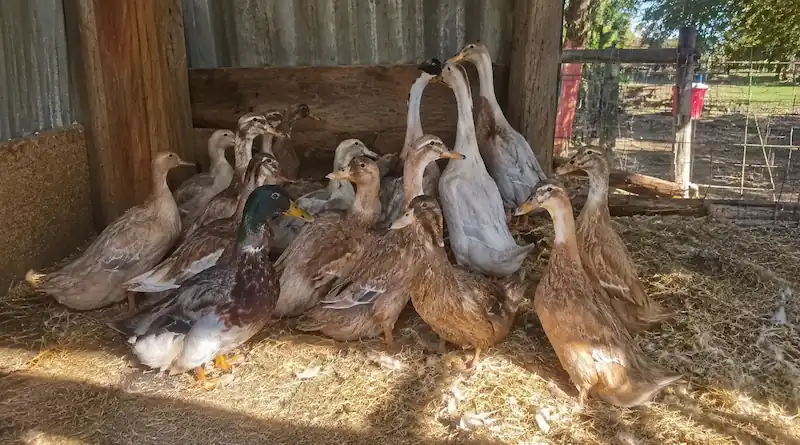
Saxony ducks come from Germany, developed in the 1930s with a clear goal in mind, to create a duck that looks good and performs well. And they really do both. Their color pattern stands out straight away, with a mix of soft blue-gray, warm brown, and white markings that make them easy to recognize in a flock.
They are not just about looks though. These ducks are reliable layers and also grow well for meat, which makes them a practical choice for small farms. On top of that, their calm and friendly nature makes daily handling easy, even for beginners or families with kids.
From a practical point of view, the biggest mistake people make is buying from random sellers. If you are planning to buy Saxony ducks, always go with a trusted breeder. That way, you actually get the correct breed traits and healthy birds from the start.
History and Conservation Status
The Saxony duck was originally developed by Albert Franz in Germany. His aim was simple, to create a strong, dual-purpose duck that could handle real farm conditions. Over time, the breed made its way to North America and was later accepted into official poultry standards.
Today, Saxony ducks are considered a heritage breed. That means they are part of traditional livestock lines that have been around for decades, not modern commercial hybrids. Because of this, their numbers are still limited compared to common duck breeds.
Keeping them is not just about eggs or meat. It also helps maintain genetic diversity. In simple terms, raising Saxony ducks on your farm plays a small role in keeping this breed alive for the future.
Physical Characteristics & Breed Standards
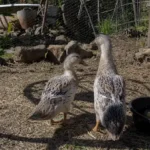
Saxony ducks are easy to spot once you know what to look for. The drakes have a soft blue-gray head and neck, a chestnut-colored chest, and clean white areas on the neck and belly. Females have a more subtle pattern but still carry that warm brown tone with neat markings.
In terms of size, they are quite solid birds. Drakes usually reach around 9 to 10 pounds, while a female Saxony duck stays slightly lighter at around 7 to 8 pounds. Their body is broad and deep, which explains why they are good for both eggs and meat.
A few quick things to notice:
Bills are usually orange-yellow in males and slightly darker with a marking in females
Legs and feet have a soft orange-pink color
Their stance is balanced, and they walk with a steady, relaxed movement
If you are serious about the breed, it is worth checking official standards like the APA guidelines to understand what a proper Saxony should look like.
Temperament and Personality
One of the biggest reasons people choose Saxony ducks is their temperament. They are calm, easy to manage, and not overly noisy. That makes them a good fit for backyards where you do not want constant disturbance.
They also mix well with other birds if introduced properly. Chickens, other ducks, even geese usually are not a problem, but it is always better to watch them in the beginning. The same goes for pets like dogs or cats, slow introductions make a big difference.
Living with them day to day, you will notice they are quite curious. They enjoy foraging, exploring, and staying active without being aggressive. If you are adding new Saxony ducklings to an existing flock, do it gradually. It reduces stress and avoids unnecessary pecking or bullying.
Saxony Ducklings Essentials
Brooder Setup Essentials
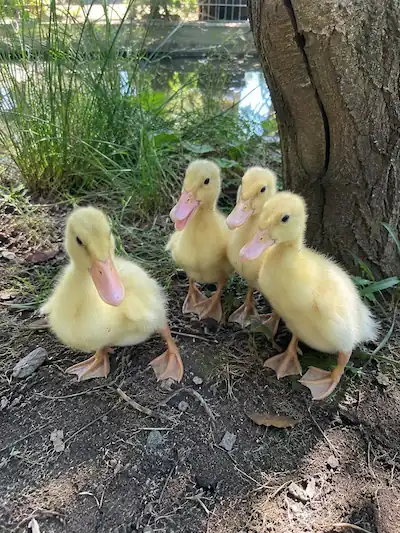
The first few weeks matter a lot, and setting up a proper brooder makes everything easier. On my farm, I keep things simple from the start. You do not need anything fancy, just a well-ventilated box or enclosure with enough space so the ducklings are not crowded as they grow.
Heat is the most important part in this stage. In the first week, I keep it around 90–92°F, then reduce it slightly each week. You can use either a heat lamp or a heat plate. Lamps warm the whole area but can overheat if not managed well, while heat plates are safer since the ducklings can move in and out of warmth naturally. You should always judge the temperature by their behavior. If they huddle together, they are cold. If they move away from the heat, it is too warm.
For bedding, I also keep it simple and dry in my setup. Pine shavings or straw work best. Avoid cedar and slippery surfaces like plain newspaper, as these can cause leg issues. Clean bedding should be maintained regularly, as it helps prevent health problems and keeps the brooder stable.
Water and feed setup should also be practical:
Use a shallow waterer so they can drink and dip their heads without risk of drowning
Keep fresh water available at all times
Choose a feeder that reduces spillage, as ducklings tend to waste feed if it is too open
A clean, dry, and warm setup from day one saves a lot of trouble later.
Nutritional Needs for Growing Ducklings
Feeding ducklings properly is where many beginners go wrong. They need a good quality, non-medicated starter feed with enough protein to support fast growth. Around 20–22% protein works well during this stage, and that’s why I always ensure this level for my own ducklings.
One thing that often gets missed is niacin. Ducks need more of it than chickens. Without it, you may notice weak legs or difficulty walking. To avoid this, either use feed formulated for ducks or mix in a small amount of brewer’s yeast.
From the second week, you can introduce fine grit or clean sand to help with digestion, especially if they start eating anything beyond starter feed. Small treats like chopped greens or insects can be given, but keep them limited so they do not replace their main diet.
Keeping their diet balanced early on leads to stronger, healthier birds as they grow.
Common Duckling Health Issues & Prevention
Ducklings are generally hardy, but a few common issues can show up if care is not consistent. One of the most frequent is pasty buildup around the vent. It usually comes from stress or diet imbalance. Cleaning it gently with warm water and keeping the brooder clean usually solves it quickly.
Leg problems are another concern, often linked to poor nutrition or slippery flooring. Making sure they get enough niacin and providing proper bedding goes a long way in preventing this. In mild cases, simple support methods can help correct it early.
Respiratory problems can develop if the brooder stays damp or poorly ventilated. Fresh air and dry bedding are key here. Also, while ducklings enjoy water, too much exposure without proper drying can lead to issues with feather condition.
Handling them properly also matters. Pick them up gently and avoid sudden movements. When handled calmly, they get used to people quickly and stay less stressed.
From day-to-day care, most problems can be avoided just by keeping things clean, dry, and consistent.
Adult Saxony Duck Care
Predator-Proof Housing & Roaming
Keeping ducks safe is one of the most important parts of daily care. A basic coop is not enough, it needs to be properly secured against predators like dogs, foxes, and even rats.
Use strong materials such as welded wire instead of thin mesh, and make sure every opening is covered. Doors should have tight, reliable latches. It also helps to extend wire a few inches into the ground around the coop to stop digging animals. At the same time, good airflow matters. The space should stay well-ventilated without exposing ducks to direct cold drafts.
Inside, give each duck enough room to rest comfortably. Outside, a fenced area allows safe movement during the day. In real farm setups, proper housing from the start avoids most losses and constant worry.
Essential Water Access & Hygiene
Water plays a bigger role for ducks than most people expect. It is not only for drinking, they rely on it to stay clean and healthy.
Always provide fresh water deep enough for head dipping, this helps clean eyes and nostrils
Use a small pool or tub so they can bathe and maintain feather condition
Keep water containers away from bedding to avoid constant wetness
Clean and refill daily to prevent bacteria buildup
Simple routines like these keep the flock active and reduce common health issues.
Balanced Adult Diet & Foraging
Adult ducks need a steady, balanced diet rather than high-protein feed. A general maintenance feed works for most birds, while laying females require additional nutrients to support egg production. Grit should always be available, as it helps with digestion.
Foraging is a natural behavior and adds real value. Ducks will search for greens, insects, and seeds, which improves their overall diet and keeps them engaged. It also helps control pests around the farm. You can also provide duck-safe treats to Saxony ducks to support a balanced diet.
That said, free-ranging should be managed carefully. Make sure the area is safe and free from toxic plants. Once ducks are familiar with their surroundings, they become more confident and easier to manage.
Basic Health & Wellness Precautions
Daily observation goes a long way in preventing bigger problems. Ducks usually show small signs before any serious issue develops, so it is important to stay attentive.
Watch for changes in eating habits, activity level, or posture
Check droppings for unusual color, looseness, or irregular patterns
Keep an eye on feather condition and signs of parasites
Maintain clean, dry ground to avoid foot problems
Some keepers also choose to clip wings to limit flying, but it should only be done when needed and handled carefully. Consistent care and attention make it easier to keep ducks healthy without complications.
Specialized Care for Female Saxony Ducks
Optimizing Egg Production
A healthy female Saxony duck is a reliable layer, usually producing around 150–200 large white eggs per year when conditions are right. The consistency mainly depends on diet, housing, and routine care.
Good laying performance comes down to a few key points:
Use a quality layer feed with around 16–18% protein
Provide calcium daily, such as oyster shell, to support strong eggshells
Keep nesting areas quiet, clean, and private so they feel secure
Collect eggs regularly to avoid breakage and maintain hygiene
Balanced nutrition is especially important. Low calcium or poor diet often leads to weak shells or laying issues, including egg-binding. A simple calcium supplement routine makes a noticeable difference in long-term productivity.
Managing Broodiness
Some Saxony hens naturally become broody and prefer sitting on eggs for long periods. It is easy to spot when this happens. Common signs include:
Sitting on the nest most of the day
Becoming protective or slightly aggressive
Pulling feathers to line the nest
When this behavior starts, the main focus should be comfort and stability. A quiet nesting space helps a lot, along with easy access to food and water nearby. Disturbance should be minimal during this phase.
If broodiness is not desired, reducing triggers like leaving eggs in the nest or gently moving the hen away can help reset the behavior over time. Handling it calmly works better than forcing a change too quickly.
Addressing Reproductive Health Concerns
Reproductive issues are not very common in Saxony ducks, but they can happen if care is not balanced. One of the main concerns is egg-binding. This usually happens when an egg gets stuck and the duck struggles to pass it. It is often linked to low calcium, oversized eggs, or stress. Early signs include straining, weakness, and reduced movement.
Quick response matters in such cases. A warm, quiet environment can help relax the bird, but serious cases may need veterinary support.
Another rare issue is prolapse, which is more serious and requires immediate attention. Poor nutrition is often a background factor in both problems, which is why steady calcium and proper feeding are so important. Keeping a contact with an avian vet is a practical step that avoids delays during emergencies.
Breeding Saxony Ducks
electing Healthy Breeding Stock
When I select breeding Saxony ducks, I focus on birds that look strong, active, and free from any visible health issues. I avoid anything that shows poor feather condition, weak movement, or uneven growth, because these traits usually carry forward.
Temperament also matters in my setup. I prefer calm birds because they are easier to manage during breeding and tend to produce more stable offspring. I also make sure the birds match proper Saxony type in color and body structure so the line stays consistent.
I usually wait until both drakes and hens are fully mature before pairing them. In comparison with breeds like Pekin or Rouen, I find Saxony ducks more balanced in behavior and output, which suits my farm environment better.
Optimal Breeder Ratios & Mating
On my farm, I keep a simple breeding ratio of one drake with three to five hens. This setup keeps stress low and prevents over-mating, especially for the females.
Mating happens naturally, so I do not interfere unless I notice a problem. You have to keep an eye on the flock just to make sure no hen is being overworked or stressed. In some cases, I separate breeding groups when I want more control over pairings.
Incubation and Rearing Ducklings
You can use both natural and artificial incubation depending on the situation. When a hen goes broody, let her handle the hatching because she usually manages it well on her own with minimal disturbance.
For artificial incubation, place eggs in a controlled incubator where temperature and humidity stay stable. Also turn the eggs regularly and use candling to check development when needed.
Once the Saxony ducklings hatch, move them straight into a warm brooder and start them on proper feed immediately. From there, follow their growth through each stage, adjusting care as they move from ducklings to juveniles and finally into adult birds.
Year-Round Health & Management
Saxony ducks stay healthy when their care changes with the seasons instead of staying the same all year.
Spring: This is the main breeding period, so I gradually increase protein in the diet and check housing after winter damage. Always make sure nesting areas are ready and clean.
Summer: Heat management becomes the focus. Keep plenty of cool, fresh water available, provide shaded areas, and rely on natural foraging. Parasite checks are more frequent during this time. If you’re setting up a water area, even a simple backyard pond setup works well for ducks and keeps them active and clean.
Fall: Ducks start molting, so shift them back to maintenance feed if they are not laying. Housing is cleaned and prepared for colder weather.
Winter: The coop stays dry and draft-free with extra bedding for insulation. Water is checked multiple times a day to prevent freezing, and feed is slightly increased to support body warmth.
Routine health checks are simple but important. I regularly observe eyes, nostrils, feet, vent area, and feather condition. Any change in behavior, appetite, or movement is usually the first sign of a problem. Common issues include parasites, infections, or injuries, which are easier to manage when caught early. For serious symptoms, rely on an avian vet for proper treatment.
Addressing Common Concerns in Saxony Ducks
Even with good care, Saxony ducks can show a few common issues. The key is to notice symptoms early and respond quickly. Most problems are manageable at home if caught in time, but serious cases should always be checked by an avian vet.
Issue
Symptoms
Likely Cause
Quick Action
Leg weakness / splayed legs
Wobbly walking, difficulty standing
Low niacin, slippery surface
Add brewer’s yeast, improve flooring grip
Pasty vent
Blocked or stuck droppings
Stress, temperature change
Clean gently with warm water, adjust brooder heat
Wet feathers
Matted, non-waterproof feathers
No bathing access, dirty water
Provide clean deep water for bathing
Egg-binding
Straining, weakness, no egg passed
Low calcium, stress
Warm bath, calcium support, vet help if needed
Respiratory issues
Sneezing, discharge
Poor ventilation, damp bedding
Improve airflow, clean bedding, isolate bird
Foot problems
Limping, swelling
Injury, infection
Check foot, clean wound, soft bedding
Most of these issues come down to three things: diet, cleanliness, and environment. Keeping those consistent prevents the majority of health problems in Saxony ducks and helps the flock stay stable year-round.
David Carter, founder of Farmstead Guide, has over 20 years of hands-on homesteading experience. From raising poultry to practicing sustainable farming, he shares practical tips and insights to help others live a more self-sufficient lifestyle.