The Blue Laced Red Wyandotte is one of those chicken breeds that turns heads the moment you see it. With its rich red feathers outlined in soft blue, it’s easy to understand why so many backyard chicken keepers fall in love with this breed. But these birds aren’t only pretty to look at. They’re also practical, hardy and well-suited for everyday backyard life.
Originally developed as part of the Wyandotte family, Blue Laced Red Wyandottes were bred to be strong and reliable birds that could handle different climates while still producing a good number of eggs.
Over time, their eye-catching appearance made them especially popular with hobby keepers who wanted a flock that was both productive and beautiful. What really sets them apart is this perfect mix of looks, toughness, and usefulness, all rolled into one impressive chicken.
Understanding the Blue Lacing
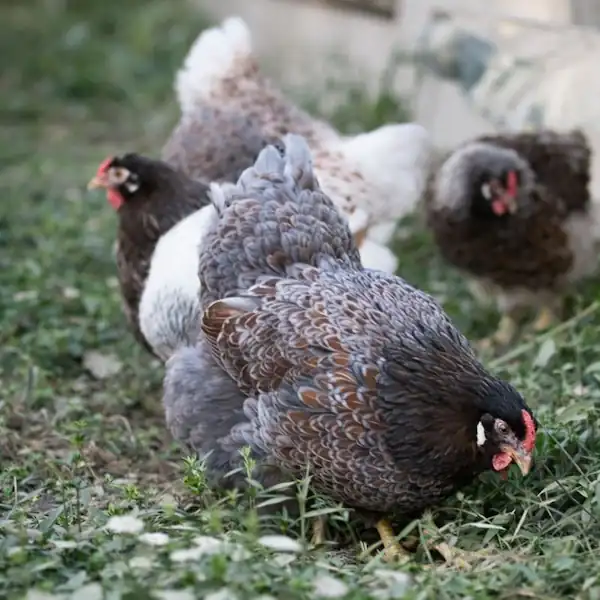
One of the most interesting things about Blue Laced Red Wyandottes is their unique feather pattern, and yes, genetics play a big role in it. The ‘blue’ color isn’t actually a true blue gene; it’s a dilution gene that affects black feathers, giving them that soft blue outline instead.
When you breed Blue Laced Red Wyandottes, you can end up with a mix of feather patterns. Some chicks grow up with classic blue lacing, others may turn out splash-laced with lighter markings. And a few may develop darker black lacing. This is completely normal and part of what makes breeding this variety so fascinating.
Temperament & Personality
Beyond their looks, Blue Laced Red Wyandottes are known for having great personalities. They’re generally calm, friendly and curious birds that enjoy scratching around the yard and foraging when given the chance. Because of their gentle nature, they tend to do well in family settings and are usually patient around children.
If you want especially friendly birds, handling them gently from a young age makes a big difference. Chicks that are picked up and handled regularly often grow into calmer, more people-friendly adults. They also mix fairly well with other breeds in a shared flock, thanks to their easygoing attitude. Just keep an eye on flock behavior, as their pretty feathers can sometimes attract unwanted attention from more aggressive birds.
Blue Laced Red Wyandotte Roosters
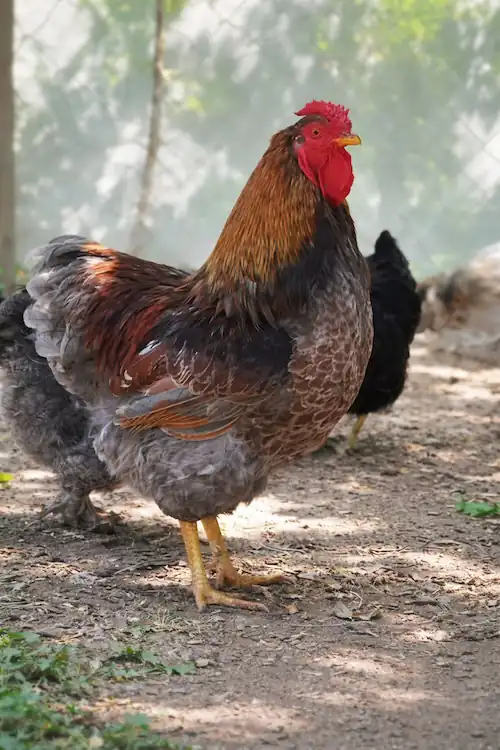
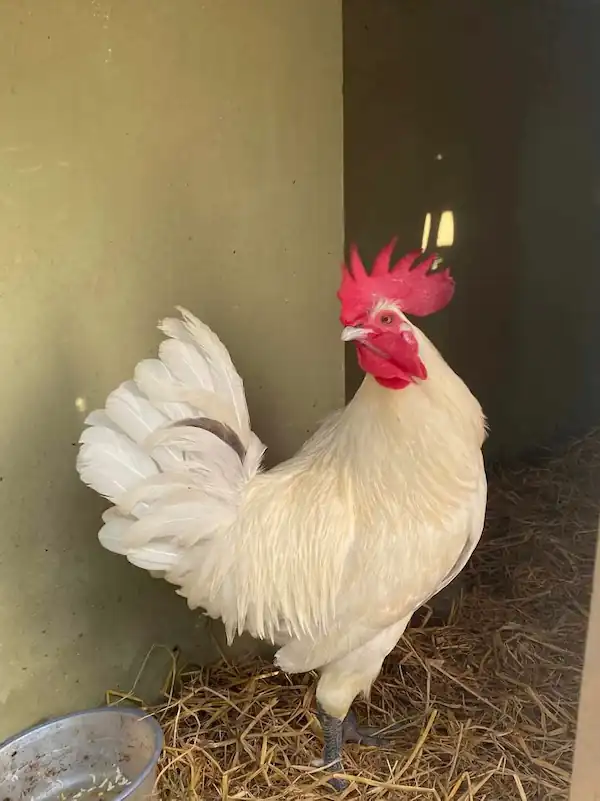
Blue Laced Red Wyandotte roosters are just as striking as the hens, both in appearance and behavior. Their deep red feathers edged with soft blue lacing, along with a sturdy, well-balanced build, reflect the breed’s dual-purpose roots. Many keepers find BLRW roosters to be calmer and more manageable than roosters from flightier breeds, especially when they’re handled regularly from a young age.
In the backyard, these roosters often take on a leadership role within the flock. They’re quick to call hens over to food and will sound an alert if something seems off. For new chicken keepers, learning to recognize the differences between males and females early on can be helpful, especially as young birds mature. If you’re unsure what signs to look for, a detailed guide on how to tell a rooster from a hen can make those early distinctions much easier. Beyond behavior, BLRW roosters are also valuable in breeding programs, helping preserve strong genetics and the breed’s signature laced feather patterns.
Essential Care for Happy, Healthy Blue Laced Red Wyandottes
Taking good care of Blue Laced Red Wyandottes doesn’t have to be complicated. With the right setup, balanced food, and a little daily attention, these birds tend to do really well and reward you with good health and steady egg laying.
Housing & Coop Setup
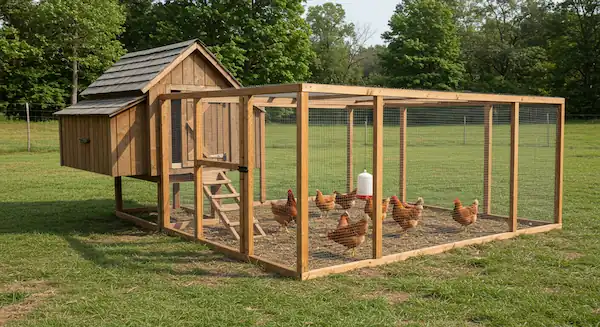
Because Blue Laced Red Wyandottes are on the heavier side, they appreciate a coop that gives them enough room to move comfortably. Crowded spaces can cause stress and health issues, so providing enough floor space per bird is essential. If you’re unsure how much room is truly needed, this guide on how much space a chicken needs breaks down coop and run requirements in a simple, practical way.
They also need strong, wide roosts. Thin or weak roosting bars can strain their legs as they grow, so sturdy wooden roosts placed at a reasonable height are ideal. Good airflow inside the coop helps prevent moisture buildup and keeps respiratory problems away. Pair that with absorbent bedding to keep things dry and sanitary.
These birds handle cold weather better than many breeds due to their dense feathers. Still, care in winter matters. The coop should stay draft-free while allowing proper ventilation. It’s also better to check their combs and wattles during freezing weather to prevent frostbite. If you live somewhere with extreme heat, extra shade, airflow, and cool water become just as important as winter protection.
Feeding & Nutrition Made Simple
A healthy chicken diet starts with feeding the right food at each stage of life. Young chicks do best on a high-protein starter feed, while growing birds need slightly less protein as they develop. Once they begin laying, a quality layer feed with added calcium helps support strong eggshells and consistent production.
For the newborn chicken diet, reading our update guide will be more helpful. I use automatic chicken feeders for my Wyandotte flock to provide steady access to feed while keeping waste and daily maintenance to a minimum.
Along with regular feed, they’ll need access to grit to help digest food properly. Offering crushed oyster shell or another calcium source separately allows hens to take what they need. Treats are fine now and then, but they should stay just that, treats. You should also ensure that fresh and clean water is always available, especially during hot weather. I have installed automatic chicken waterers for all of my Wyandotte birds to ensure a consistent and reliable water supply.
Health & Disease Prevention
Blue Laced Red Wyandottes are generally hardy birds, but like all chickens, they can run into health issues if conditions aren’t right. Respiratory problems can show up in damp or poorly ventilated coops, while mites and lice may appear because of their thick feathering.
One of the easiest ways to help prevent pests is by giving your chickens a place to dust bathe, and that works best for my Red Wyandottes. I have kept a dry and loose patch of dirt or sand. It lets them naturally clean their feathers and keep parasites under control. Chicks may occasionally deal with pasty butt, which usually clears up quickly when caught early. In cold climates, frostbite can also be a concern, so regular checks are important during winter.
Keeping the coop clean, isolating new birds before adding them to the flock and paying attention to behavioral changes all go a long way toward preventing bigger problems. Having a basic poultry first-aid kit on hand can also save time when minor issues pop up.
Understanding chicken lifespan is also important when planning long-term care, as proper housing, nutrition, and daily management all play a big role in how long Wyandottes live and stay healthy.
Egg Production & Broodiness
If you’re keeping Blue Laced Red Wyandottes for eggs, you’ll be happy to know they’re steady and dependable layers. They may not lay every single day, but they usually produce around three to four eggs a week, which works well for most backyard flocks.
Their eggs are typically large and brown, and the quality stays pretty consistent once the hens hit their laying stride. While they’re not extremely high-production birds, they make up for it with reliability and longevity, laying well year after year when properly cared for.
Laying Through the Winter
One nice advantage of this breed is how well they handle colder weather. Their thick feathers and small rose comb help them stay comfortable when temperatures drop, which means many hens keep laying even during winter.
If you want to encourage better winter production, make sure they always have access to fresh, unfrozen water and a balanced diet. Some keepers choose to add a little extra light in the coop during short winter days, but that’s completely optional and depends on your goals.
Dealing with Broody Hens
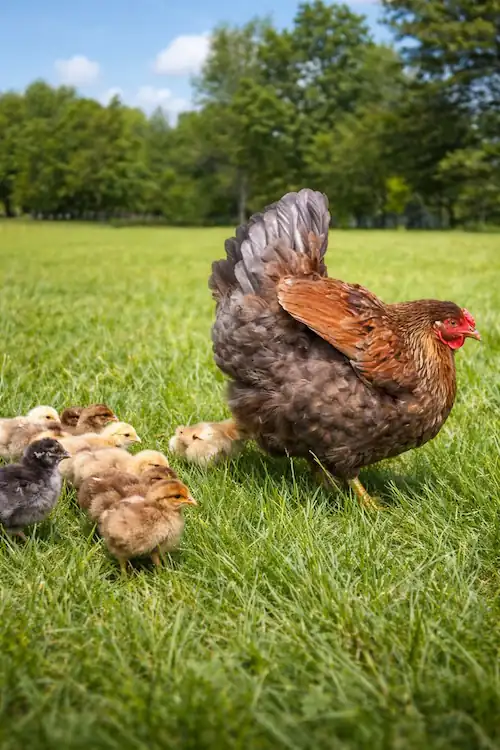
Like most Wyandottes, Blue Laced Red Wyandottes can get broody, meaning they may suddenly decide they want to hatch eggs. This can be great if you’re hoping for chicks but not so helpful if you’re focused on egg collection.
What you have to do is spot broodiness early. A broody hen will spend long hours in the nesting box, puff up when approached, and stop laying altogether. If you don’t want chicks, remove her from the nest gently and place her in a well-ventilated and wire-bottom area for a few days. For me, it has always worked in breaking the cycle.
A Closer Look at Blue Laced Red Wyandotte Genetics & Breeding
Breeding Blue Laced Red Wyandottes can be exciting, but the genetics behind their feather colors can feel confusing at first. The good news is that once you understand a few basics, everything starts to make a lot more sense. While you aim to breed your BLRW, read our dedicated article on breeding chickens.
How the Blue Gene Really Works?
The blue color in these chickens comes from a special gene that softens black feathers into that slate-blue shade. It’s not an all-or-nothing gene, it works somewhere in the middle. That’s why breeding Blue Laced birds doesn’t always give you chicks that look exactly the same.
As Blue Laced Red Wyandottes grow, their feather pattern slowly changes. Chicks may look dull or uneven at first, but as they mature into pullets and then full-grown adults, the blue lacing becomes more defined. Seeing side-by-side photos of birds at different ages can really help you understand how the lacing develops over time.
What Colors to Expect from Breeding
If you pair two Blue Laced Red Wyandottes together, you’ll usually get a mix of results. About half of the chicks will grow into classic blue-laced birds, while the rest will split between splash-laced and black-laced varieties. This variety is completely normal and even appreciated by many breeders.
Other pairings, like breeding a bluebird with a black or splash one, can shift the results and give you different percentages of each color.
Breeding for the Lacing You Want
If you’re hoping to produce a specific lacing color, you’ll need to make thoughtful pairings. For example, pairing a blue-laced bird with a black-laced one often increases your chances of getting more blue-laced chicks. Still, no pairing guarantees a single outcome, and that’s part of the fun.
At the same time, it’s important not to focus only on color. Keeping a good mix of bloodlines helps maintain strong, healthy birds. Balanced breeding leads to better vigor, stronger immune systems, and a flock that thrives, not just one that looks good.
Pros and Cons of Blue Laced Red Wyandotte
Advantages of Keeping Blue Laced Red Wyandottes
Eye-catching and decorative chickens
Reliable egg layers with dual-purpose value
Handle cold weather very well
Calm, friendly, and family-safe temperament
Active foragers that help control bugs
Potential Challenges to Consider
Can become broody and pause egg laying
Risk of feather picking from other flock members
Need strong predator protection
Require enough space to stay healthy and active
Breeding may produce mixed feather colors
Buyer’s Guide: Finding Healthy Blue Laced Red Wyandottes
When you’re ready to add Blue Laced Red Wyandottes to your flock, where you buy them matters just as much as how you care for them. Not all sources are the same, and doing a little homework can save you a lot of trouble later.
Buying from Reputable Hatcheries
Well-known hatcheries are a popular choice because they usually offer a wide selection and ship chicks straight to your door. Many are NPIP-certified and offer basic health guarantees, which adds some peace of mind. The downside is that you don’t get much personal interaction, and chicks can be stressed from shipping.
Well-known hatcheries are a popular choice because they usually offer a wide selection and ship chicks straight to your door. Many are NPIP-certified and offer basic health guarantees, which adds some peace of mind. The downside is that you don’t get much personal interaction, and chicks can be stressed from shipping.
Though I have not purchased from hatcheries but for those who have only the option of hatcheries, I’d recommend Cackle Hatchery for the US chicken keepers. Many backyard chicken keepers trust this hatchery for high-quality Wyandottes.
Buying from Local Breeders
Local breeders are often the best option if you want to see exactly what you’re getting. This is the only way that I’ve chosen to get Blue Laced Red Wyandotte in my backyard. It allows me to view the parent birds and ask questions about genetics. From local breeders, you can also get advice based on real experience.
Chicks from local breeders are often hardier since they haven’t been shipped long distances. Availability can be limited, though, and not every breeder has the same level of expertise. Look for clean setups, healthy and active birds, and breeders who are happy to talk through their breeding program.
Buying from Farm or Feed Stores
Farm and feed stores are convenient, especially if you want chicks right away. You can see the chicks in person and take them home the same day. That said, these chicks often come from mixed sources, and health details may be limited.
Because many chicks are housed together, there’s also a higher chance of illness. Choose chicks that are lively, alert, and housed in clean conditions, and don’t be afraid to ask staff about where the birds came from and how they were handled.
No matter where you buy from, take your time and trust your instincts. Healthy chicks should be active, bright-eyed, and curious. Asking questions, checking conditions, and avoiding rushed decisions will help you get your Blue Laced Red Wyandotte flock off to the right start.
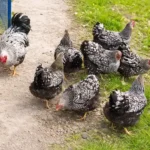
If you enjoy learning about Wyandotte varieties, you may also find it helpful to compare these birds with the striking Silver Laced Wyandotte, which shares the same hardy nature but stands out with a richer, more dramatic color pattern.
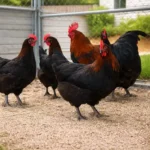
For poultry keepers interested in distinctive heritage breeds, the Blue Laced Red Wyandotte offers a great contrast to Black Copper Maran hens, combining eye-catching plumage with a calm temperament and reliable egg production.
Yes, they’re a great choice for beginners. Blue Laced Red Wyandottes are generally calm, easy to handle, and fairly hardy. As long as they have proper housing, space, and nutrition, most new chicken keepers find them manageable and rewarding to raise.
On average, Blue Laced Red Wyandottes live between 5 and 8 years, which is typical for healthy backyard chickens. With good care, protection from predators, and a clean environment, some may live even longer.
They handle cold weather better than heat. In warmer climates, it’s important to provide plenty of shade, good airflow, and constant access to cool, fresh water. Extra ventilation and heat-reducing measures can help them stay comfortable during hot months.
Because they’re a heavier breed, they’re not strong flyers. Most can manage short hops or low perches, but they’re unlikely to fly over tall fences. This makes them easier to contain compared to lighter, more agile breeds.
The main difference is feather color and pattern. Blue Laced Red Wyandottes have deep red feathers edged in blue, while Gold Laced Wyandottes feature golden feathers outlined in black. Aside from appearance, their size, temperament, and care needs are very similar.
Many who keep Blue Laced Red Wyandottes often say they’re dependable and friendly, and I’ve noticed the same myself. They have such standout looks, and their calm nature really makes them easy to live with. Their steady egg production and ability to get along with other breeds always impress me, and those beautiful feather patterns combined with gentle personalities are hard not to love.
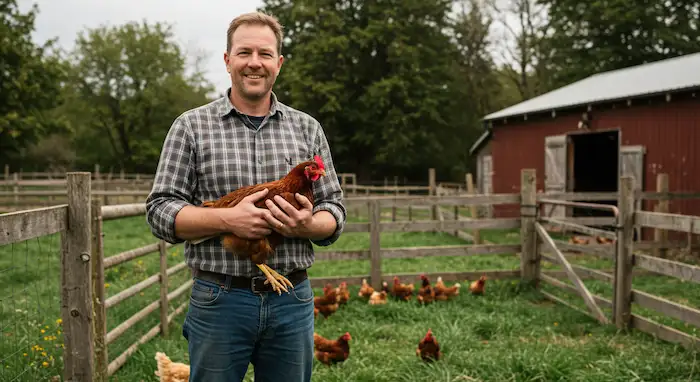
David Carter, founder of Farmstead Guide, has over 20 years of hands-on homesteading experience. From raising poultry to practicing sustainable farming, he shares practical tips and insights to help others live a more self-sufficient lifestyle.