Choosing the right duck breed can feel confusing when every breed claims to be productive, hardy, and beginner-friendly. Some ducks are excellent layers but noisy and nervous. Others look attractive but produce fewer eggs than expected. Many first-time keepers want a calm backyard duck that lays consistently, adapts well to free-ranging, and does not create unnecessary management problems.
The Welsh Harlequin duck stands out because it brings these traits together in a very practical way. I have raised these ducks at my farm, and they consistently show a calm temperament, quick routine adaptation, and reliable egg production. They are easier to manage compared to more reactive laying breeds, especially when the goal is steady output without constant handling challenges.
Originally developed from high-performing laying stock, Welsh Harlequins became popular among backyard keepers because they are practical birds that do not feel overly demanding. They forage efficiently, adapt well to small homesteads, and settle into routines quickly. That consistency makes daily care straightforward and predictable.
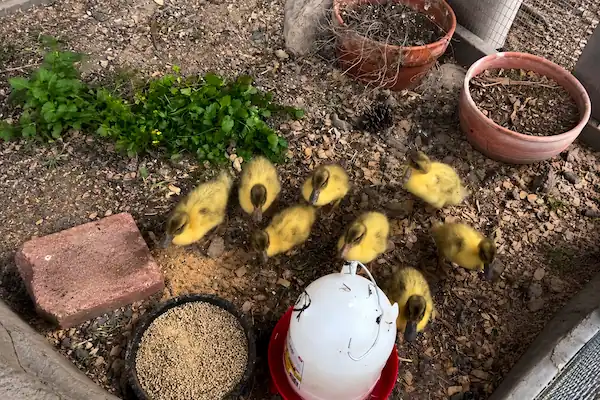
Even Welsh Harlequin ducklings adapt quickly when handled gently from the beginning, and that early handling directly shapes calmer, easier adult birds.
In this guide, everything from their history, appearance, feeding, housing, and egg production to raising Welsh Harlequin ducklings is covered in a clear, practical way for real backyard keeping.
History and Origin of the Welsh Harlequin
The Welsh Harlequin duck was developed in Wales during the 1940s by poultry breeder Leslie Bonnet. The breed originated from a genetic mutation found within a flock of Khaki Campbell ducks. Bonnet noticed unusually patterned birds appearing among his highly productive laying ducks and began selectively breeding them to stabilize both appearance and egg-laying ability.
His goal was not simply to create a decorative duck. He wanted a practical breed that maintained the strong laying traits of the Khaki Campbell while improving plumage quality and overall visual appeal. Over time, the distinctive color patterns became more consistent, leading to the development of the Welsh Harlequin as a separate breed.
Like many poultry breeds of that era, Welsh Harlequins faced setbacks during and after World War II. Feed shortages, reduced breeding programs, and shifting agricultural priorities caused several heritage breeds to decline sharply. For a period, Welsh Harlequins became relatively rare outside dedicated breeder circles.
The breed survived largely because small breeders continued maintaining breeding stock even when commercial poultry farming focused more heavily on industrial hybrids. Conservation-minded keepers later helped revive interest in the breed as backyard poultry keeping became more popular.
One thing that makes Welsh Harlequin history unique is how closely the breed remained tied to practical backyard use. Unlike some ornamental ducks bred mainly for exhibition, Welsh Harlequins were shaped around real farm performance from the beginning. That practical foundation still defines the breed today.
Beauty and Grace: Physical Characteristics and Appearance
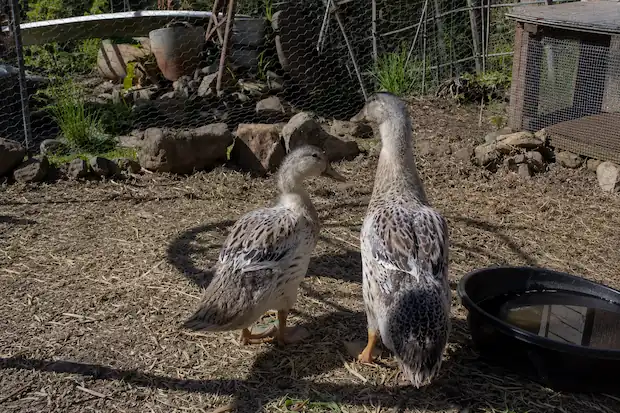
The Welsh Harlequin duck is known for its refined body shape and attractive feather patterning. Unlike plain-colored utility ducks, Welsh Harlequins have layered plumage with noticeable contrast and soft shading that gives them a more decorative appearance without sacrificing productivity.
Distinctive Plumage
Two main color varieties are commonly recognized:
Gold Welsh Harlequin: the original and richer-colored variety with warmer brown and cream tones.
Silver Welsh Harlequin: a lighter variation with softer silver-gray and pale cream coloring.
Both varieties usually display iridescent green-bronze speculum feathers on the wings, especially visible in sunlight.
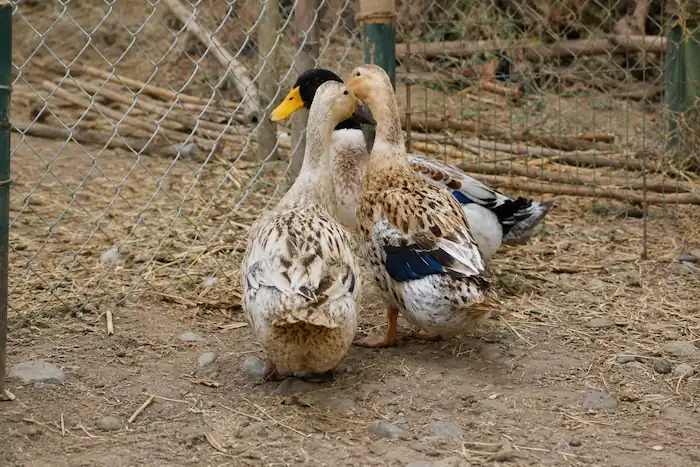
Male and female Welsh Harlequins look noticeably different from one another, making sex identification easier than in many duck breeds.
Drakes
Drakes typically develop:
A bronze-green head
A narrow white neck ring
Rich chestnut coloring across the chest
Cream and silver body feathers
The classic upward-curled tail feather seen in mature males
Ducks
Females usually have:
Softer brown and cream feathering
A more mottled appearance
Distinct dark eye stripes
Darker bills, often slate or black-toned
Body Shape and Size
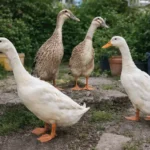
Welsh Harlequins are medium-sized ducks, usually weighing around 4.5 to 5.5 pounds when fully mature. Their body posture is slightly upright compared to heavier meat breeds, giving them a more agile and active appearance.
They are built for movement rather than bulk, which explains why they are such efficient foragers. Most birds have:
Bright orange legs and feet
Streamlined bodies
Narrower frames than Pekins
Alert posture and active movement
How to Identify Welsh Harlequins
New keepers sometimes confuse them with Khaki Campbell duck because the breeds share ancestry and laying ability. However, Welsh Harlequins usually have:
More detailed feather patterning
Lighter cream tones
More obvious male-female color differences
A slightly fuller and more decorative appearance
Welsh Harlequin vs Khaki Campbell
Feature
Welsh Harlequin
Khaki Campbell
Plumage
Patterned cream, gold, or silver
Mostly solid khaki brown
Temperament
Calm and docile
More active and nervous
Appearance
Decorative and dual-purpose
Utility-focused
Male Coloring
Strong color contrast
Less dramatic contrast
Popular Use
Backyard flocks and homesteads
High egg production systems
Temperament and Personality
Calm and Easy to Handle
One reason the Welsh Harlequin duck has become so popular with backyard keepers is its calm and easygoing personality. These ducks are usually much less nervous than many lighter laying breeds, which makes daily handling simpler for beginners and families.
They tend to stay relaxed around people, especially when raised from a young age. Many breeders describe them as curious rather than aggressive, and they usually settle into routines quickly. Because of their calmer nature, they are often a better fit for homes with children compared to more flighty ducks that panic easily.
Excellent Natural Foragers
Another major advantage is their strong foraging instinct. Welsh Harlequins spend a lot of time searching for insects, slugs, snails, grass, and small weeds. In free-range setups, they can noticeably reduce garden pests while also lowering feed costs.
They work especially well in orchards, around vegetable gardens, and in larger grassy spaces where pests are common. Some keepers even use them as a natural alternative to chemical slug control.
However, ducks should not stay in the same grazing area all the time. Rotating free-range sections helps prevent muddy ground, damaged plants, and compacted soil.
Peaceful Around Other Poultry
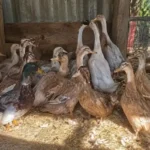
Despite being active foragers, Welsh Harlequins are usually peaceful around other birds. They often mix well with chickens and other duck breeds as long as there is enough space, food, and water for everyone.
When introducing new ducks to an existing flock, slow introductions work best. Keeping birds separated for a few days before allowing full contact usually reduces stress and bullying.
More Than Just Egg Layers
Many owners become attached to Welsh Harlequins because of their personalities, not just their egg production. Some ducks learn feeding routines quickly, follow their keepers around the yard, and become surprisingly comfortable with human interaction.
They may not act like traditional pets, but they are far more interactive than many people expect from ducks.
Raising Friendly Ducklings
Handling Welsh Harlequin ducklings gently and regularly during their first weeks makes a noticeable difference. Ducks raised with calm human contact are usually friendlier, easier to manage, and less fearful as adults.
Egg Production and Quality
The Welsh Harlequin duck is widely respected for its egg production. A healthy hen commonly lays between 240 and 300 eggs per year, which puts the breed among the stronger laying ducks available for backyard flocks. This level of productivity naturally leads many keepers to ask how often ducks lay eggs in general, especially when comparing different breeds.
Unlike some breeds that slow down heavily after summer, Welsh Harlequins often continue laying well into colder months if they receive proper nutrition and enough daylight. Many keepers use low supplemental lighting during winter to help maintain steady production.
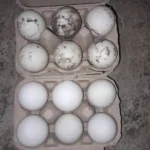
Their eggs are usually large to extra-large with shells that range from white to cream. Some eggs may show a faint blue or green tint, although this varies by bloodline. The yolks are rich and flavorful, making them popular for baking because duck eggs often create softer cakes and richer pastries than chicken eggs.
Duck eggs also tend to contain slightly higher protein and fat levels compared to standard chicken eggs. Many people who bake regularly prefer them for their texture and consistency. Several factors affect laying performance:
Quality feed with enough protein and calcium
Clean drinking water at all times
Consistent daylight exposure
Reduced stress within the flock
Age of the duck
Young hens usually lay most heavily during their first few productive years before output gradually slows.
Cold weather itself does not always stop laying. Poor nutrition and reduced daylight are usually the bigger reasons production drops during winter. A dry shelter, balanced feed, and stable routines help birds stay productive longer.
Egg collection should happen daily whenever possible. Clean eggs are less likely to crack, get dirty, or attract predators. Frequent collection also discourages ducks from accidentally breaking eggs inside nesting areas.
Care and Management
Housing Requirements
The Welsh Harlequin duck is hardy and adaptable, but proper housing still makes a major difference in health and egg production. Ducks need a dry, well-ventilated shelter that protects them from predators, rain, and strong winds.
For indoor space, allow at least 4 to 6 square feet per duck. More outdoor space is always better because Welsh Harlequins are active birds that enjoy roaming and foraging throughout the day.
Bedding and Ventilation
Deep bedding works well for ducks because it absorbs moisture and provides insulation during colder months. Straw and large-flake wood shavings are the most common choices.
Wet bedding should never be ignored. Ducks spill a lot of water, and damp conditions quickly create strong ammonia smells and unhealthy bacteria buildup.
Good airflow is equally important. Poor ventilation often leads to respiratory problems, especially during winter when coops stay closed for longer periods. Vent openings near the roofline help remove moisture without creating cold drafts directly on the birds.
A sturdy predator-proof duck house with secure locks is one of the most important investments for long-term flock safety.
Welsh Harlequin ducks also benefit greatly from access to a proper duck pond setup, as it supports their natural swimming behavior, improves feather health, and keeps them more active and comfortable throughout the day.
Predator Protection
Even calm backyard areas can attract predators once ducks are present. Foxes, raccoons, stray dogs, coyotes, hawks, and snakes are all common threats depending on location.
Chicken wire alone is usually not enough for duck security because many predators can tear through it. Hardware cloth is much stronger and offers better protection around coops and runs. For better safety:
Use strong locks on doors
Secure openings with hardware cloth
Bury wire skirts around fencing edges
Lock ducks inside before dark
Portable fencing or enclosed duck runs are useful for supervised free-ranging while still limiting predator risks.
Feeding Regimen
1. Feeding Ducklings
When raising Welsh Harlequin ducklings, non-medicated waterfowl starter feed is the safer choice during early growth.
I avoid medicated chick starter because ducks process certain medications differently than chickens, and unnecessary medication can create problems instead of preventing them.
Niacin is one nutrient I pay close attention to during the first few weeks. Ducklings that lack niacin often develop weak legs, difficulty walking, or bowed posture as they grow. I usually mix brewer’s yeast into the starter feed early on because it is an easy and reliable natural source of niacin that supports healthy development, especially when following proper ducks feeding naturally practices.
2. Grower and Layer Feed
As ducks mature, their feed should change with their growth stage:
Starter feed for ducklings
Grower feed for juveniles
Layer feed once hens begin laying eggs
Laying ducks need extra calcium to maintain strong eggshells and steady production.
3. Natural Foraging and Treats
Welsh Harlequin duck are excellent foragers and can naturally supplement part of their diet when allowed to free-range. They actively search for insects, grass, weeds, slugs, and small aquatic plants throughout the day, which are all natural treats for ducks. Many keepers notice that their ducks spend hours moving through gardens and grassy areas looking for food on their own.
Fresh greens, chopped vegetables, peas, lettuce, mealworms, and occasional insect treats also work well as healthy additions. I usually prefer offering a mix of natural treats alongside quality feed rather than relying heavily on processed snacks. A varied diet generally supports healthier birds, stronger eggshells, and better overall egg quality.
Water Needs
Ducks consume far more water than chickens, and clean water access is absolutely essential. They need water deep enough to:
Fully dip their bills
Clean their nostrils
Wash their eyes
Help swallow food properly
Without deep water access, ducks become more vulnerable to respiratory and sinus issues.
Water Fountains vs Open Water
Open tubs allow ducks to clean themselves naturally, but they become dirty very quickly. Water fountains stay cleaner longer but may not allow full head dipping unless designed specifically for ducks. Many keepers use both:
Drinking water containers for cleaner daily water
Larger tubs or pools for bathing and natural behavior
Fresh water should be provided daily because ducks foul water rapidly with mud and feed. Heavy-duty feeders and waterers save time and reduce waste in larger flocks.
Daily, Weekly, and Monthly Care Tasks
Care routines vary depending on flock size, weather, and housing conditions, but these tasks form a solid basic schedule.
Frequency
Task
Why It Matters
Daily
Refill fresh water
Ducks need constant clean water for drinking and cleaning nostrils
Daily
Refill feed
Supports growth, health, and egg production
Daily
Collect eggs
Keeps eggs cleaner and reduces breakage
Daily
Quick health check
Helps spot injuries, illness, or unusual behavior early
Daily
Remove wet bedding spots
Reduces ammonia and bacteria buildup
Weekly
Replace bedding
Keeps housing dry and healthier
Weekly
Scrub feeders and waterers
Prevents slime and bacterial growth
Weekly
Check feet for bumblefoot
Early detection prevents serious infection
Monthly
Deep clean coop
Removes bacteria, mold, and hidden moisture
Monthly
Check feed and supplies
Avoids running out of essentials
Annually
Inspect housing
Repair weak spots and improve predator protection
Annually
Review local health recommendations
Some regions may recommend vaccinations or parasite control
Seasonal Care for Welsh Harlequins
Spring
Spring is usually the busiest season for duck keepers. Egg production increases, breeding begins, and many people hatch ducklings during this period. This is also a good time to:
Clean and repair housing after winter
Prepare brooder areas
Increase calcium for laying hens
Summer
Welsh Harlequin duck tolerate warm weather fairly well, but summer care still needs extra attention. In our flock setup, the ducks stay noticeably more active and comfortable during hot days when they have:
Extra shade
Fresh cool water
Good airflow
Dry, mud-free resting areas
During summer, foraging activity also increases a lot, especially during cooler morning and evening hours. Around the yard, Welsh Harlequins often spend long periods searching through grass and damp soil for insects, weeds, and small bugs once the temperature starts dropping later in the day.
Autumn
During autumn, many ducks begin molting and temporarily reduce egg production. Extra protein helps support feather regrowth during this stage. This is also the best time to:
Reinforce housing before winter
Replace damaged bedding
Check for drafts and leaks
Winter
Welsh Harlequins handle cold weather better than many people expect, but dampness and freezing water create problems quickly.
Dry bedding is critical during winter. Wet floors combined with freezing temperatures increase the risk of frostbite and illness. Helpful winter measures include:
Windbreaks around outdoor areas
Thick dry bedding
Heated waterers if temperatures freeze regularly
Extra ventilation to reduce moisture buildup
Even during cold weather, ducks still need access to unfrozen drinking water every day.
Breeding Welsh Harlequin Ducks
Breeding Welsh Harlequin duck is usually simple because the breed is naturally active and fertile during spring and early summer. A common breeding ratio is one drake for every 3 to 5 ducks, which helps maintain fertility without putting too much stress on the hens.
Sexing Welsh Harlequin ducklings can be tricky for beginners. Vent sexing is the most accurate method, but it is usually handled by experienced breeders. Many keepers instead rely on later feather coloring, vocal sounds, and behavior differences as the ducklings grow.
Some Welsh Harlequin hens go broody and hatch eggs naturally, although artificial incubation is more common for controlled breeding. When using an incubator, stable temperature, proper humidity, and regular egg turning are the most important factors for a successful hatch.
After hatching, ducklings need a warm brooder, non-slip bedding, clean water, and non-medicated starter feed. In many backyard setups, young ducklings usually begin feathering quickly within the first few weeks and become far more active once introduced to shallow water and outdoor grass areas.
A simple growth timeline can help readers track development:
Week 1: Heat support, starter feed, brooder care
Week 2–4: Feather growth begins, reduced heat, shallow water introduction
Week 5–8: Outdoor time increases, transition to grower feed
Maturity: Full feathering, adult size, laying begins in females
Health and Common Issues
Welsh Harlequin duck are generally hardy ducks, but basic health checks still matter. Healthy birds stay active, eat well, walk normally, and keep their feathers clean and smooth.
One issue sometimes seen in young Welsh Harlequin ducklings is niacin deficiency, which can lead to weak legs or difficulty walking. Using proper waterfowl starter feed and adding brewer’s yeast early usually helps prevent this problem.
Bumblefoot can also occur if ducks spend too much time on rough, wet, or dirty ground. Regular foot checks and dry bedding help reduce the risk.
Parasites and respiratory issues are usually linked to poor coop hygiene, damp bedding, overcrowding, or poor airflow. In many backyard flocks, keeping housing clean and dry prevents most common health problems before they start.
Simple routines such as fresh water, balanced feed, clean bedding, and quick daily health checks go a long way in keeping Welsh Harlequins healthy for years. With proper care, they commonly live around 8 to 12 years.
Is a Welsh Harlequin Right for You?
If you want ducks that are productive, beginner-friendly, and genuinely useful around a homestead, the Welsh Harlequin duck is one of the best breeds to consider. They consistently lay a large number of eggs, forage actively for insects and slugs, and are usually calmer and easier to manage than many other duck breeds.
For small farms and backyard flocks, they offer a practical balance that many keepers look for: good egg production without the aggressive behavior, excessive noise, or heavy feed consumption seen in some larger breeds. Their attractive plumage is an added bonus, especially for people who want birds that are both productive and visually appealing.
They do require clean water, dry bedding, and secure housing, but most owners find the benefits outweigh the extra maintenance. For homesteaders wanting reliable laying ducks that also fit naturally into free-range and sustainable setups, Welsh Harlequin ducklings are often a smart long-term investment.
Where to Buy Welsh Harlequin Ducks
If you are searching for Welsh Harlequin ducks, buying from established hatcheries and trusted breeders is important because bloodline quality, hatch rates, and bird health vary heavily between sellers. Reliable breeders also provide healthier ducklings, better sexing accuracy, and stronger laying genetics.
In the United States, one of the most trusted hatcheries is Cackle Hatchery. I have purchased ducks for my own flock from Cackle Hatchery because they consistently maintain good availability, accurate breed information, and healthy shipping practices. Their Welsh Harlequins are known for calm temperaments, strong foraging ability, and productive laying lines.
Another highly respected source is Metzer Farms, which specializes heavily in waterfowl breeding. I also prefer Metzer Farms for quality ducklings because they focus specifically on ducks and maintain detailed breed information, shipping schedules, and sexed bird options. Their Welsh Harlequins are marketed as calm, inquisitive, and excellent foragers, which closely matches the breed’s reputation among backyard keepers.
Many duck keepers across online poultry communities also mention positive experiences with both hatcheries, especially regarding shipping reliability and healthy arrivals. Several owners specifically praise Welsh Harlequins purchased from Metzer Farms for being friendly, quiet, and productive layers.
UK Sources for Welsh Harlequin Ducks
For UK buyers, Welsh Harlequin ducks and ducklings are commonly available through specialist breeders, poultry farms, and seasonal hatching egg sellers. One useful platform is Pets4Homes Ducks Directory, where breeders regularly list Welsh Harlequin ducklings and hatching eggs across regions including Yorkshire, Manchester, and Dorset.
Another helpful source is Bird Trader, which connects buyers directly with poultry and waterfowl breeders throughout the UK. It is commonly used to find local Welsh Harlequin breeders and fertile eggs during spring and early summer.
For more specialized stock, Ty’n Y Llidiart Farm in Wales is known for rare breed poultry and Welsh Harlequin breeding lines. Buyers looking for exhibition-quality or carefully maintained birds also often use the British Waterfowl Association Breeders List to locate registered waterfowl breeders across the UK.
Smaller regional farms such as Winchester Poultry Farm and A Feathered Nest also occasionally offer seasonal Welsh Harlequin ducklings and hatching eggs, especially during spring hatching periods.
With proper care, Welsh Harlequin duck commonly live around 5 to 8 years, although some birds can live longer in clean, predator-safe environments with good nutrition.
While Welsh Harlequin ducks are capable of short flights; they are not strong long-distance flyers and usually prefer staying on the ground, especially when well-fed and comfortable in their environment.
Welsh Harlequins are generally quieter than heavier breeds like Pekins. Hens still quack regularly, especially around feeding or laying time, but their overall noise level is usually manageable for backyard setups.
Yes, they usually mix well with chickens and other ducks when introduced properly. The main difference is that ducks need deeper water access for cleaning their bills and nostrils, so separate water setups often work best.
Compared to Pekins, Rouens, and Khaki Campbell duck, Welsh Harlequins are usually preferred for their balance of egg production, calmer temperament, active foraging, and lighter feed consumption. A simple breed comparison table can help beginners decide which duck fits their homestead goals best.
David Carter, founder of Farmstead Guide, has over 20 years of hands-on homesteading experience. From raising poultry to practicing sustainable farming, he shares practical tips and insights to help others live a more self-sufficient lifestyle.