Black Copper Maran Chickens
Black Copper Marans come from the coastal town of Marans in southwestern France. This area is known for its wet, marshy land. Local farmers needed hardy chickens that could handle tough conditions.
Over time, native French birds were crossed with heavier breeds brought in by sailors through nearby ports. These included birds similar to Langshans and Brahmas. The goal was simple: strong chickens that produced good meat and dark eggs.
By the early 1900s, breeders began selecting birds that laid the darkest brown eggs. This egg color soon became the breed’s signature. In 1929, French breeders officially named the breed Marans and set clear standards to protect its traits. The Marans Club de France played a major role in preserving these standards.
The Black Copper variety stood out for its black feathers and rich copper neck color. It also became the variety most closely linked to the famous chocolate eggs.
The typical chicken lifespan for Black Copper Marans ranges from 5 to 8 years, depending on nutrition, environment, and care.
As the breed evolved, it became valued for both meat production and egg quality. Today, Black Copper Marans are one of several recognized varieties, alongside Cuckoo, Golden Cuckoo, Black, and Wheaten Marans. Still, the Black Copper variety remains the most sought-after due to its stunning looks and those unforgettable chocolate-colored eggs.
Understanding this breed more deeply helps you set realistic expectations and raise healthier, happier chickens. Whether you’re new to Marans or looking to improve your existing flock, knowing what makes this variety unique is the key to success.
What a Black Copper Marans Should Look Like
Black Copper Marans have a very distinct look. Once you know what to watch for, they’re fairly easy to recognize.
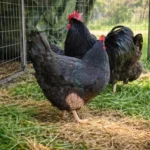
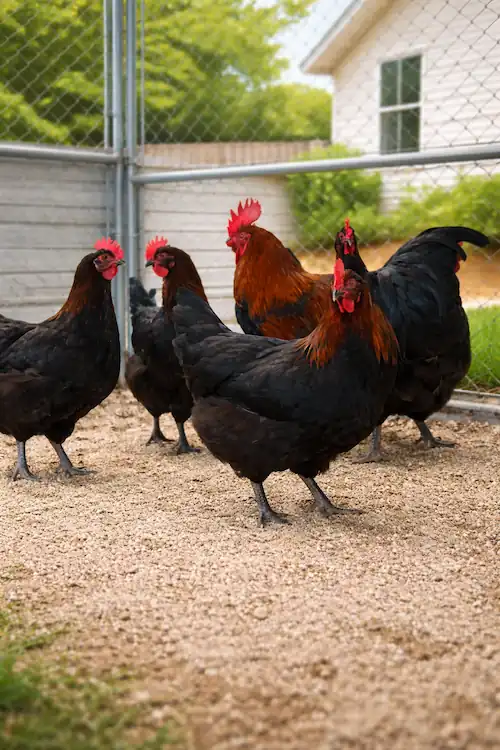
Their body feathers are a deep, glossy black. In good light, the feathers can shine with a green or purple tint. What really makes them stand out is the rich copper color around the neck. This copper feathering, also called the hackle, often spreads over the shoulders and upper back. The contrast between the black body and copper neck is one of the breed’s key features.
Most Black Copper Marans have a single comb. It stands upright and is bright red. This comb should look clean and well-defined, not floppy or uneven.
Their legs are another important clue. True Black Copper Marans have feathered legs, with soft feathers running down the shanks. The leg color is usually slate gray or black, which pairs nicely with the red comb and dark feathers.
Their eyes are clear and reddish-brown, often called bay colored. They give the bird an alert and confident look.
Overall, these chickens are solid and well-built. They’re not small or delicate birds. Their strong, muscular body shows their dual-purpose nature, meaning they’re good for both eggs and meat.
How to Tell a True Black Copper Marans Apart?
Because Marans are popular, most sellers and breeders mislabel or cross them with other breeds. A true Black Copper Marans should have all the main traits: black body, copper neck, feathered dark legs, and a sturdy build. Missing one or more of these features can be a sign that the bird isn’t pure.
Official breed standards, like those set by the American Poultry Association (APA) and national Marans clubs, help define what a true Black Copper Marans should look like. These standards are especially important for breeders and people interested in show-quality birds.
For backyard keepers, small variations are usually fine. But if you want authentic birds, especially for breeding or dark egg production, sticking to the core breed traits really matters.
Understanding these details helps you go beyond looks alone and confidently recognize a real Black Copper Marans.
The Legendary Dark Brown Eggs: What Makes Them So Special
Black Copper Marans are famous for one thing above all else: their dark brown eggs. These eggs are often called chocolate, mahogany, or even terracotta because of their rich color. No two eggs look exactly the same, which makes them even more exciting to collect.
Egg Color and the Marans Color Scale
Marans egg color is often measured using a color scale from 1 to 9.
Lighter brown eggs sit on the lower end. The darkest, chocolate-colored eggs are closer to 8 or 9.
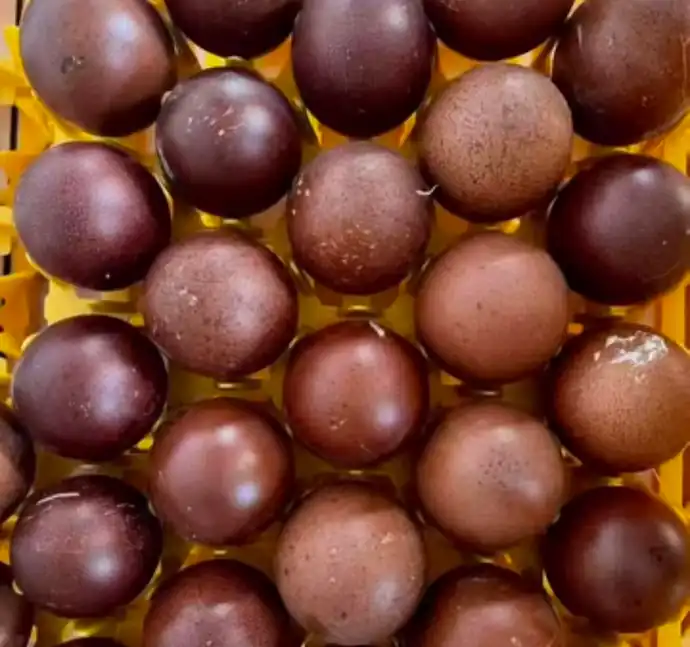
To make this easier to understand, you can think of using an “egg authenticity scorecard.” The darker and richer the color, the higher the score. This helps tell the difference between true Marans eggs and ordinary brown eggs.
Egg Size and Shell Quality
Most Black Copper Marans lay large to jumbo eggs, which adds to their appeal. The shells are usually thick and strong. Some eggs may look slightly glossy or have light speckles. Others may feel a bit rough. This is normal for the breed.
How Often They Lay
Black Copper Marans are steady layers. Most hens lay about 3 to 4 eggs per week. You won’t get an egg every day, but what you get is something special.
What Affects Egg Color
Egg color starts with genetics. This is the most important factor. If a hen comes from dark-egg parents, she is more likely to lay dark eggs too.
When buying birds, choose breeders known for dark egg lines. Don’t rely on photos or promises alone.
For backyard flocks looking for variety, Black Copper Marans offer dark chocolate eggs, while breeds like the White Leghorn produce classic white eggs.
Egg color also changes during a hen’s laying cycle. The first eggs of the season are usually the darkest. As weeks go by, the color can slowly lighten. This is normal and nothing to worry about. Expect some color changes. Perfect darkness all year long is rare.
Diet, Health, and Stress
A good diet helps support egg quality. A high-quality layer feed with enough protein can help keep shells strong and colors rich.
Well-fed hens lay better-looking eggs. Stress can also affect egg color. Heat, overcrowding, illness, or changes in routine can cause eggs to look lighter for a while. Once the hen settles, the color usually returns.
Cleaning and Storing Dark Eggs
Marans eggs have a natural coating called the bloom. This helps protect the egg and keeps it fresh. Don’t wash eggs right away. Only clean them just before use or selling. I usually store eggs in a cool and dry place to keep them fresh and looking their best.
If you love collecting, baking, or showing off dark eggs, focus on strong genetics, low stress, and proper care. These small details make a big difference and help you enjoy the darkest, most beautiful eggs possible.
Temperament & Flock Compatibility
One of the best things about Black Copper Marans is their personality. These chickens are usually calm, relaxed, and easy to live with, which makes them a great fit for many backyard flocks. Our family has always enjoyed the charm these hens bring to our backyard.
General Personality
Black Copper Marans are known for being docile and fairly quiet. They’re not the type to constantly squawk or cause drama in the coop. Because of this, they’re often a good choice for backyard keepers who want peaceful birds.
How They Are with People
Many Marans are friendly and easy to tame, especially if they’re handled often when young. Over time, they can become quite comfortable around people and may even follow you around the yard. This makes them a nice option for families who want chickens that feel more like pets than livestock.
Activity Level and Foraging
Marans enjoy staying busy. They are natural foragers and love scratching around for bugs and greens. They do best when they have room to roam, but they can also adjust to smaller spaces if they have things to do.
Let them forage when possible. It keeps them healthy, happy, and can even lower feed costs.
Getting Along with Other Chickens
Black Copper Marans usually mix well with other calm and gentle breeds. They aren’t bullies, but they also won’t do well if housed with very aggressive chickens. When adding them to an existing flock, slow introductions always help keep the peace.
Because they’re gentle and predictable, Marans are generally safe around children, as long as kids are taught how to handle chickens properly. Calm birds plus calm handling mean a lot.
What About the Roosters?
Marans roosters are often calm, but they are large and strong birds. Like any rooster, their behavior should be watched closely.
Some people worry that Marans are aggressive or skittish. In reality, most Black Copper Marans are steady, friendly, and easygoing. With proper care and handling, they usually fit very well into both family settings and mixed flocks.
We have 2 maran roosters in my backyard flock, and they are rarely aggressive. Because I have introduced them slowly and keep an eye on them, especially around smaller breeds or young birds. If noise or aggression is a concern, early handling, enough space, and good flock balance can help you prevent the issues.
If you’re unsure about your birds’ sex, our guide on telling a rooster from a hen can help.
Comprehensive Care Guide for Black Copper Marans
Caring for Black Copper Marans isn’t difficult, but they do best when their basic needs are met the right way. I’ve raised and worked with Marans alongside other backyard breeds, and from experience, giving them enough space, good food, and solid protection makes a huge difference in their health and egg quality.
Coop Space and Setup
Black Copper Marans are larger, heavier birds, so space matters. Inside the coop, plan for at least 4 square feet per bird. In the run, 10 to 15 square feet per bird helps prevent stress and pecking issues, especially if you keep a rooster. For more details on proper space requirements, see our guide on chicken space needs.
Strong roosting bars are important. These birds need sturdy, well-placed roosts so they can perch comfortably without crowding or slipping.
For laying, give them dark and quiet nesting boxes. A good size is about 12×12 inches, with one box for every 3 to 4 hens. They prefer privacy, and it helps protect their eggs.
Soft nesting box liners or pads help keep those dark eggs clean and uncracked. This means less washing and better egg quality.
Ventilation, Weather, and Comfort
Good airflow in the coop is essential. Proper ventilation helps prevent breathing problems, but avoid direct drafts, especially in winter. Black Copper Marans are hardy, but they still need protection from extreme weather.
In hot weather, provide plenty of shade and a clean chicken waterer with fresh water. In cold climates, use a dry, draft-free coop to protect their large combs from frostbite.
Predator Protection
Predator protection is not optional. Marans are valuable birds, and their eggs make them a big target.
Invest in predator-proof housing. Use strong wire, secure latches, and cover runs if possible. Prevention is far easier than dealing with a loss later.
Keeping Marans in Smaller or Urban Spaces
Black Copper Marans can still work in urban or semi-urban setups. Smart coop design, good cleanliness, and calm flock management help keep noise low and neighbors happy. Well-kept Marans are generally quiet and respectful birds.
If you’re worried about space, especially with roosters, crowding can lead to stress and aggression. More space usually solves most behavior problems.
Feeding Black Copper Marans the Right Way
Providing proper nutrition to your maran chickens is the most vital part of their care, and you should never compromise on it. Good food supports growth, health, and those famous dark eggs. For the first 6 to 8 weeks, offer high-quality chick starter to chicks with 20–24% protein. This supports strong growth and healthy development. If you’re just starting out with chicks, it’s important to know exactly what to feed newborn baby chicks to help them grow strong and healthy.
From around 8 weeks until laying age, switch to a grower feed with 16–18% protein. Once hens start laying, move to a layer feed with about 16% protein and added calcium.
Protein matters. From what I’ve seen, hens on a balanced, high-quality diet and well-stocked chicken feeders lay stronger-shelled and darker eggs more consistently.
For more detailed guidance on feeding chicks at every stage, check out our full guide on what to feed chickens.
Supplements and Treats
Always offer grit to help digestion and oyster shell or calcium for strong eggshells. These should be available for free choice.
Treats are fine in moderation. Letting them forage naturally adds nutrients and keeps them active and happy.
Health Care and Disease Prevention
Black Copper Marans face the same health issues as most chickens. Common concerns include mites, lice, worms, and respiratory problems. In colder climates, watch for frostbite, especially on large combs.
One of the best habits you can develop is good biosecurity. Quarantine any new hens for at least 30 days before adding them to your flock. This single step prevents most disease problems.
Daily checks, this is what I always look for in my Marans. A quick look at their eyes, feathers, posture, and behavior helps catch issues early.
Many keepers struggle to find clear health advice specific to Marans. The good news is that with clean housing, good food, and regular checks, most problems are easy to prevent.
Buying Black Copper Marans
Buying Black Copper Marans can be exciting but also confusing. Because this breed is popular, many birds are mislabeled or crossed. Knowing where to buy and what to look for can save you a lot of time, money, and frustration.
Where to Buy Black Copper Marans
i. Hatcheries
Large hatcheries are easy to order from and usually have birds available year-round. The downside is that some hatchery Marans don’t always lay very dark eggs.
Smaller, specialty hatcheries often focus more on egg color and breed quality, but they may have limited availability.
iI. Finding Trusted Breeders
One of the best ways to find real Black Copper Marans is through reputable breeder directories and poultry forums. These communities often share honest reviews and photos of egg color and parent birds.
III. Local Breeders
This is the way I choose when buying black copper maran chickens. Buying from a local breeder has big advantages. You can see the parent birds, check egg color in person and get advice that fits your climate. This is often the best option if you want true dark-egg genetics.
IV. Buying Online
Online marketplaces can work, but they require caution. Always ask for clear photos of adult birds and eggs, read reviews, and avoid sellers who can’t answer basic questions.
Many buyers struggle to find breeders who sell real, healthy Black Copper Marans. Taking a little extra time to research pays off.
What to Look for Before You Buy?
While buying a black copper maran chick, always confirm the following characteristics the hen should have. A real Black Copper Marans should have:
- A black body with rich copper feathers on the neck
- Feathered, dark-colored legs
- A single red comb
- A solid, well-built body
If you can, ask to see photos of the eggs laid by the parents. Dark, consistent egg color is a strong sign of good genetics.
Always choose birds that look healthy:
- Bright, clear eyes
- Active and alert behavior
- Clean nostrils and vent
- Smooth, full feathers
This is especially important when buying chicks or young birds. Many people worry about accidentally buying crosses. Focusing on physical traits, egg records and breeder transparency helps avoid that problem.
Ethical breeders are open about their birds, their breeding goals, and their care practices. That honesty builds trust.
Choosing Between Chicks, Pullets, or Hatching Eggs
When buying Black Copper Marans, you have a few options: chicks, pullets, or hatching eggs. Each option has pros and cons.
Chicks
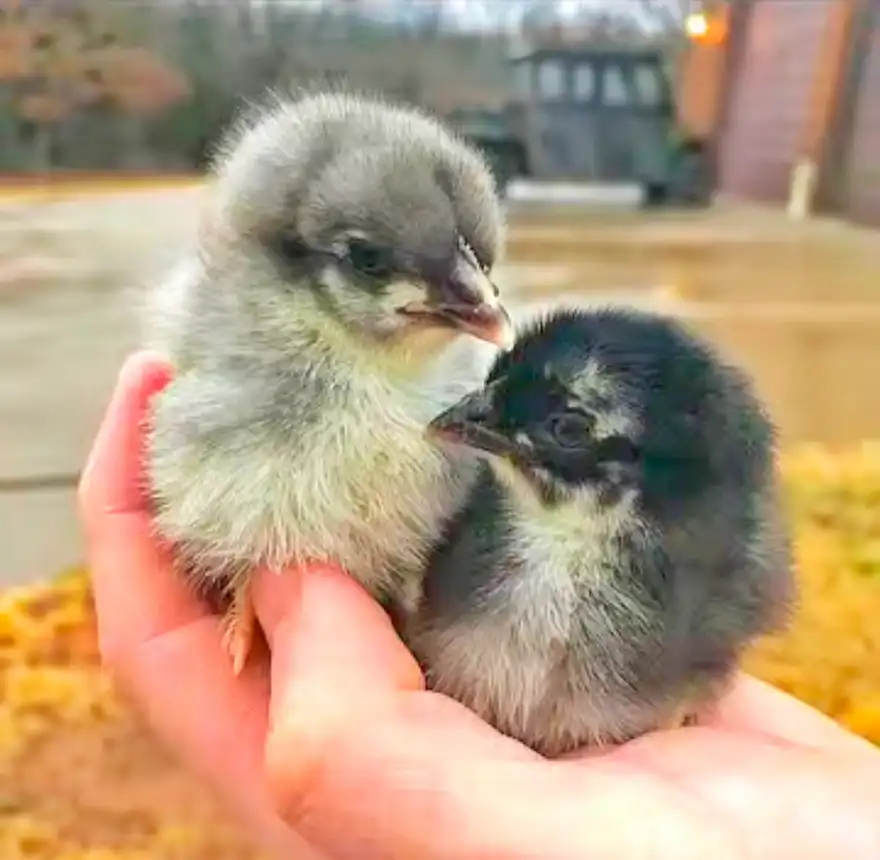
Chicks are usually the cheapest option. You can raise them from day one and tame them easily. The downside is you’ll need a full brooder setup.
Pullets
Pullets cost more, but they’re close to laying age. This means less waiting and less work early on.
Hatching Eggs
Hatching eggs are often the most affordable upfront. However, hatch rates can be low, and you’ll need a reliable incubator. This option is best for people interested in genetics and breeding the chickens.
Pricing and What Affects Cost
Prices vary depending on genetics, breeder reputation, and time of year. Birds from strong dark-egg lines usually cost more, but they’re often worth it in the long run.
If you’re worried about cost, remember that quality birds save money over time. Healthy Marans with good genetics lay better eggs and have fewer problems.
Buying smart from the start helps you build a strong flock and enjoy those famous dark brown eggs without regret.
Pros and Cons of Owning Black Copper Marans
Black Copper Marans are beautiful and popular birds, but like any breed, they come with both upsides and downsides. Knowing the good and the not-so-good helps you decide if they’re the right fit for your flock.
Pros of Black Copper Marans
Black Copper Marans are beautiful and popular chickens, but like any breed, they have both upsides and downsides. Their most famous feature is their deep, dark brown eggs, often called chocolate eggs, which are unique and even marketable.
Marans are generally calm and friendly, making them a good choice for families and mixed flocks. These birds are also hardy and resilient, able to handle different climates well, and they are dual-purpose, providing both eggs and meat. On top of that, their striking black feathers with rich copper necks make them a real showpiece in any flock.
Cons of Black Copper Marans
While Black Copper Marans are amazing birds, they do have some downsides. It can be hard to find true Black Copper Marans that consistently lay dark eggs, so buying authentic birds may take some effort. Their large combs can be vulnerable to frostbite in very cold weather, so extra winter care is needed. Being larger birds, they also benefit from more space than smaller breeds, and some hens can go broody, which temporarily stops egg production.
The initial cost of raising Marans; chicks, feed, and proper housing can be higher than average. However, many keepers feel the investment is worth it because of the long-term benefits like unique eggs, strong genetics, potential offspring, and even show opportunities.
In real life, keeping Marans also means regular daily care, monitoring their health, managing broodiness, and ensuring proper winter protection. When looked after well, Black Copper Marans reward their owners with stunning eggs, gentle personalities, and a flock that’s both practical and enjoyable.