White Leghorn chickens are one of the world’s best egg-laying breeds, producing around 280–320 white eggs each year. If you’re considering adding them to your flock, here’s what you need to know about their temperament, egg production, care requirements, and whether they’re the right fit for your backyard.
Today, we will explore the Italian roots of Leghorn chickens, their standout features, and their lively nature. I will also take a closer look at the White Leghorn, the breed most people think of when it comes to high egg production.
White Leghorn Chicken Quick Facts
Trait
White Leghorn
Eggs/year
280–320
Egg color
White
Weight
4–6 lb
Temperament
Active, alert
Broody
Rarely
Cold hardy
Moderate
Heat tolerant
Excellent
Best for
Egg production
History and Origin of the Leghorn Breed
The story of the Leghorn chicken starts in Italy, in a coastal city called Livorno, located in the Tuscany region. English traders later called the city ‘Leghorn’, and that name stuck with the breed. These chickens were not looking fancy at first. They developed naturally over time, shaped by the local climate and simple farm life. Only the strongest and best layers survived, which helped build their reputation for toughness and productivity.
In the early to mid-1800s, Leghorn chickens made their way to America. Poultry keepers quickly noticed how many eggs they laid compared to other breeds. Farmers and breeders began working with them, improving their traits and spreading them across the country. Early American breeders played a big role in refining the Leghorn and promoting it as a top egg-laying bird.
As the breed grew in popularity, the American Poultry Association stepped in to create clear standards. This helped define how Leghorns should look and perform. Over time, several color varieties appeared, but one stood out above the rest. The White Leghorn became the most popular because of its efficiency, strong laying ability, and suitability for large egg operations.
Today, Leghorns are a major part of modern poultry history. Many of the egg-laying chickens used in commercial farms are based on Leghorn genetics. Their influence is still seen across the egg industry, making them one of the most important chicken breeds ever developed. This history is backed by trusted poultry organizations, university extension resources, and long-standing poultry records that continue to guide breeders and keepers today.
Physical Characteristics of Leghorn Chicken Hen
Classic Leghorn Body Shape and Size
Leghorns have a clean and slim look that sets them apart from chickens of other breeds. Their bodies are sleek and slightly upright, which gives them an alert and active appearance. They are not bulky birds. Instead, they are light, quick on their feet, and built for efficiency. Most Leghorns fall into the medium-size range, but they feel lighter than many other breeds.
Head Features That Stand Out
One of the first things you notice on a Leghorn is the head. The comb is usually a single comb, which is tall and straight on roosters. On hens, it often grows large and gently flops to one side. Some Leghorns have a rose comb, but this type is much less common and sits low and flat on the head.
Their wattles are bright red and easy to spot. The earlobes are white or creamy, which is a classic Leghorn trait and a good hint that they lay white eggs. Their legs and skin are yellow, often a bright shade that adds to their sharp, clean look.
Feathering and Color Varieties
The White Leghorn is the most well-known type. It has pure white feathers that fit close to the body, giving it a neat and tidy appearance. This tight feathering also helps them stay active and efficient.
While white is the most common color, Leghorns also come in a few other shades. You may see Brown, Black, Buff, or even Blue Leghorns. These colors are less common but still share the same slim build and active nature.
Differences Between Roosters and Hens
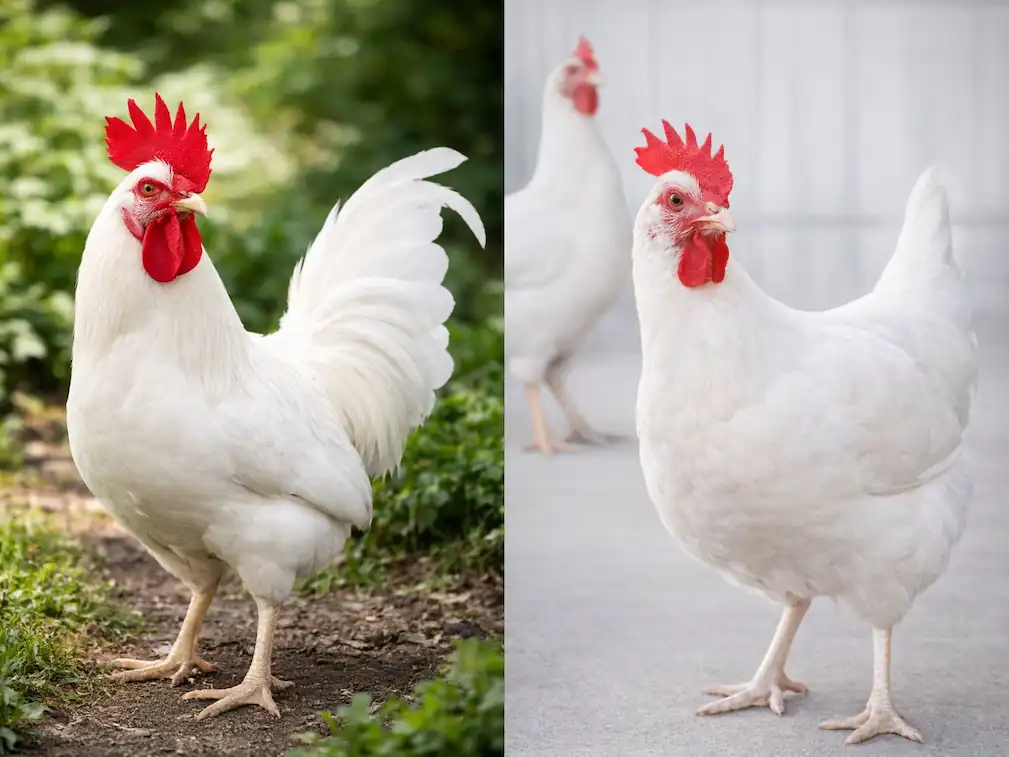
When raising Leghorns, especially chicks, learning difference between rooster and hen can help you plan flock size and avoid surprises later on. Male and female Leghorns look similar at first glance, but there are clear differences. Roosters are larger and more upright, with bigger combs and longer tail feathers. Hens are smaller, with softer features and a more rounded shape. Their combs are still large, but often droop to the side, which is typical for laying hens.
White leghorn rooster (on left) vs. hen (on right)
Leghorn Temperament and Personality
Leghorns have a personality that becomes clear once you spend time with them. I have found them to be alert, energetic, and always aware of their surroundings. Knowing how they think and behave makes the rest of their care much easier.
Always on the Move and Full of Energy
Leghorns do not like standing still. They love to walk, scratch, and search the ground all day. If bugs are hiding in your yard, these birds will find them. Their active lifestyle also explains why they lay so many eggs. All that movement keeps their bodies working at a fast pace.
Quick Reactions and Sharp Awareness
Leghorns are known for being alert. Some people call them nervous, but it is really strong survival instinct at work. Sudden noises or fast movements will send them running. This awareness helps them spot danger early and stay safe from predators.
Are Leghorns Too Flighty for Backyards?
This is a common worry for new chicken keepers. Leghorns are not calm and slow birds. They prefer space and freedom to move. That said, many people successfully keep them in backyard setups. The thing to understand is their nature and not expecting them to behave like cuddly breeds.
How They Act Around People
Leghorns can learn to trust you, but it takes time. Gentle handling from a young age makes a big difference. They usually will not sit on your lap, but they do enjoy watching what you are doing. Over time, they become comfortable being around their caretakers without fear.
Simple Ways to Manage Their Flightiness
A well-designed coop helps a lot. Give them enough roosting space so they feel secure at night. Covered runs are also a smart idea, as Leghorns can fly better than many other breeds. Calm and regular interaction helps them stay relaxed and less jumpy.
Life Inside a Mixed Flock
Leghorns generally get along with other active chickens. They fit best with breeds that can keep up with their pace. Around very timid birds, they may act a bit bossy. In most flocks, they find their place quickly and stick to it without causing much trouble.
Egg Production: The Leghorn’s Claim to Fame
Egg production is where Leghorns truly shine. I have seen few breeds match their consistency and drive when it comes to laying eggs. Once they start, they tend to keep going with very few breaks, which is what makes them so valued.
Why Leghorns Are Famous for Eggs
Leghorns are best known for one thing. They lay a lot of eggs. A healthy hen can easily produce close to 300 eggs in a year, and sometimes even more. The eggs are large, smooth, and bright white, which is exactly why this breed is used so widely.
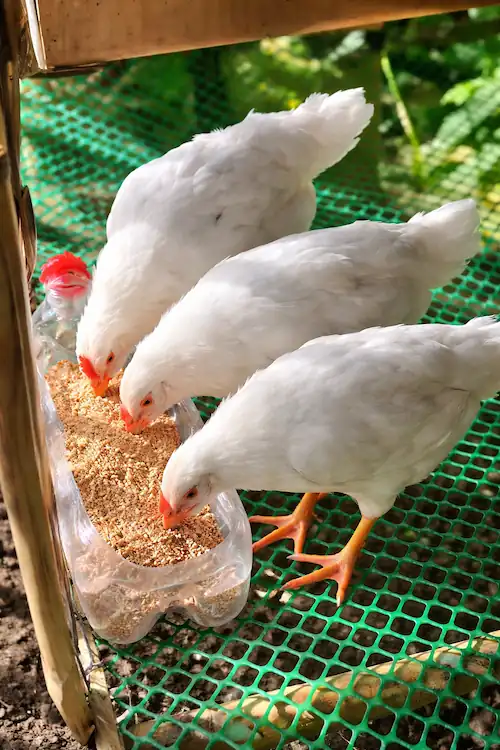
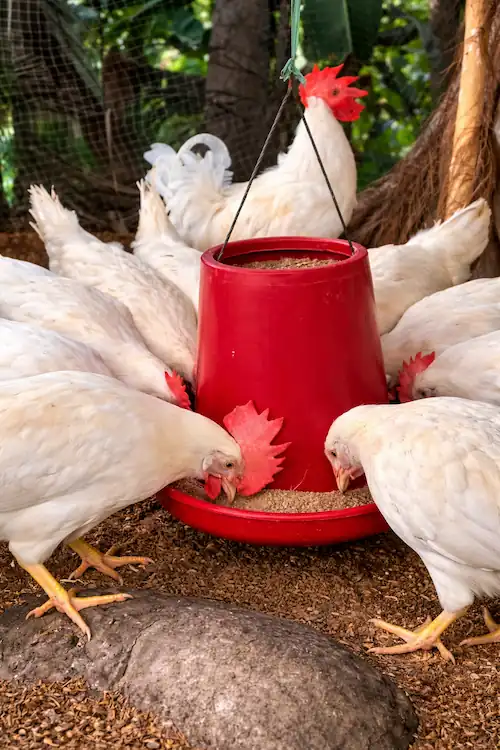
To keep up with their high egg production, many keepers rely on automatic chicken feeders to provide steady access to feed while reducing waste and daily effort.
When Leghorns Start Laying
These hens do not make you wait long. Most Leghorns begin laying at around four to five months of age. That early start is one reason they are so popular with both small keepers and large farms.
What Affects How Many Eggs You Get
Good feed makes a big difference. A balanced diet helps them keep up their strong laying pace. Light also matters, especially during shorter winter days. Stress is another important factor to consider. Noise, crowding, or frequent changes can slow egg production. Age plays a role too. Leghorns lay the most during their early adult years, then gradually slow down over time.
Why Leghorns Rarely Go Broody
Leghorn hens almost never sit on eggs. This is great if you want steady egg production without long breaks. The downside is that they are not useful for hatching chicks on their own. If you plan to raise chicks, you will need an incubator or a broody hen from another breed.
Planning for Chicks the Smart Way
Since Leghorns focus more on laying than nesting, planning ahead is important. Many keepers use incubators or let calmer, broody breeds do the hatching. This approach keeps egg production high while still allowing you to grow your flock.
Key Stages in a Leghorn’s Life
Leghorns grow fast. Chicks usually feather out within the first month or so. The first egg often appears between sixteen and twenty weeks. Peak egg production happens during the first year to year and a half. Seeing these stages laid out in a simple timeline or visual guide can make planning much easier for new keepers.
If you are planning long-term care, knowing the lifespan of chickens gives you a better idea of what to expect from White Leghorns over the years.
Housing and Coop Requirements for Leghorns
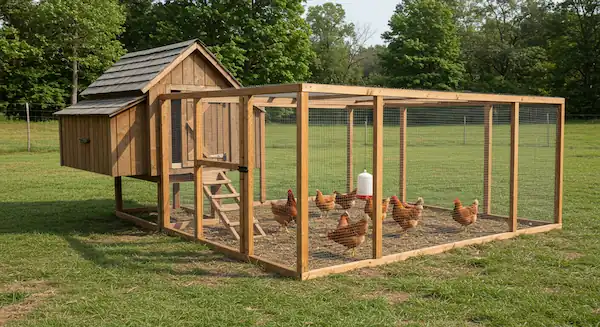
Since Leghorns need space and good ventilation, following a guide on building a chicken coop can make a big difference in their comfort and productivity. Leghorns are not couch-potato chickens. They need space, fresh air, and a setup that matches their busy nature. When their housing is done right, they stay calmer, healthier, and far more productive.
Because Leghorns are active and energetic, understanding the space chickens need helps prevent stress and unwanted behavior in the flock.
Giving Leghorns Enough Room to Move
These birds like to stretch their legs. A cramped coop will only make them stressed. Aim for extra space inside the coop and a roomy run outside so they can move freely. Good airflow is as important, especially in warm weather. Proper ventilation keeps the coop cool and helps prevent illness.
Roosts They Actually Want to Use
Leghorns prefer sleeping up high. Low roosts often get ignored. Strong, smooth roost bars placed higher in the coop work best. Make sure there is enough space for every bird to settle in comfortably without crowding.
Nesting Boxes in the Right Spot
Leghorns are not picky, but they do like privacy. Standard nesting boxes work well as long as they are placed in a quiet, darker corner of the coop. You do not need one box per hen. A few shared boxes are enough for a small flock.
Runs and Safe Outdoor Time
Leghorns can fly better than many breeds. Open runs often lead to escapes. Covered runs help keep them where they belong. If you allow free-ranging, make sure the area is secure from predators. These birds love to forage, but their curiosity can get them into trouble.
Keeping Predators Out
Active chickens attract attention. Strong fencing and overhead netting make a big difference. Secure doors, buried wire, and solid locks help protect the flock at night. Some keepers also rely on guardian animals for extra safety when birds roam freely.
Keeping Busy Birds Entertained
Leghorns need more than food and water. A dust bathing area helps keep their feathers clean and pests away. Different perch heights give them places to jump and rest. Simple additions like hanging greens or fodder blocks keep boredom away and reduce stress.
Simple Tools That Make Life Easier
A well-ventilated coop with sturdy roosts saves time and effort in the long run. Predator-proof fencing or netting adds peace of mind. A basic dust bath container filled with sand and diatomaceous earth goes a long way in keeping Leghorns healthy and comfortable.
Feeding a Leghorn Flock for Health and Eggs
Feeding Leghorns well makes a huge difference in their health and egg production. I’ve raised these hens for years, and getting their diet right has always been key to keeping them active and laying strong, healthy eggs.
Food for Every Stage of Life
When my chicks are young, I start them on a high-protein starter feed with 20-24% protein. By the time they become pullets (8-18 weeks), I switch to grower feed with 16-18% protein. Once they start laying around 18 weeks, I give them layer feed with added calcium. This keeps their eggs strong and helps them stay healthy.
If you are raising White Leghorns from day one, understanding feed of newborn baby chicks is essential for strong growth and early development.
Must-Have Supplements
I always make sure grit is available so their gizzards can process food properly. I also provide oyster shells or crushed eggshells for extra calcium. Giving these free-choice lets the hens take what they need without worry.
Water: Always Fresh, Always Clean
Leghorns drink a lot, especially when they are laying. I keep large-capacity waterers filled with fresh water at all times and make sure they are cleaned regularly. This simple step keeps the flock hydrated and happy.
Because White Leghorns are active birds that drink frequently, choosing the best automatic chicken waterers helps ensure they always have clean, fresh water without constant refilling.
Treats and Foraging Fun
I like to give my hens occasional treats, but I never let them make up more than about 10% of their diet. Letting them forage for insects and greens adds variety and keeps them busy, which they really enjoy.
Quick Tip for Egg-Laying Success
What I have noticed, the secret to consistent egg production is simple: a high-quality layer feed, free access to calcium, fresh water, and safe opportunities to forage. Keep these basics in check, and Leghorns will reward you with healthy bodies and plenty of eggs all year round.
Health and Common Issues in Leghorn Chickens
Keeping Leghorns healthy is all about attention and good routines. These hens are tough, but high egg production can sometimes put extra strain on their bodies. You should daily examine the condition of the leghorn hens, since spotting problems early makes all the difference.
General Chicken Health
Keeping disease out starts with good biosecurity. Avoid introducing sick birds and keep the coop clean. Parasites like mites, lice, and worms are common, so regular checks and treatments are important. Vaccinating chicks protects them against common illnesses. A basic chicken first-aid kit is a smart investment for any flock.
Health Concerns for High-Production Layers
Leghorns lay a lot of eggs, which sometimes causes reproductive issues like egg-binding, prolapse, or internal laying. Diet matters too; if they don’t get enough calcium or minerals, their eggs and health can suffer. Stress from boredom or cramped housing can lead to feather pecking or nervous behavior.
Preventative Care Tips
I check my flock weekly for signs of illness or stress. Balanced nutrition keeps them strong, while plenty of space and enrichment help reduce stress. I also provide them with electrolyte and vitamin supplements, especially during heavy laying periods.
Staying Cool in Hot Weather
Leghorns handle heat better than some breeds, but high temperatures plus constant laying can still be risky. Provide plenty of shade, cool water, and good airflow in the coop. During summer, these small steps prevent heat stress and keep the flock productive.
Pros of Keeping Leghorns
Exceptional egg layers, producing many large white eggs
Efficient at converting feed into eggs
Excellent foragers, helping control pests naturally
Heat-tolerant and thrive in warm climates
Alert and active, good at avoiding predators
Hardy and generally healthy birds
Cons of Keeping Leghorns
Flighty and nervous, can fly over fences
Vocal and often noisy
Rarely go broody, so won’t sit on eggs to hatch chicks
Lean body type, not ideal for meat production
Energetic scratching can damage gardens if free-ranging
Having knowledge of these pros and cons can help you decide if Leghorns are right for your backyard or farm. They are excellent layers but need space, enrichment, and proper care to thrive.
Where to Find and Buy Healthy Leghorn Chicks or Pullets
Getting healthy Leghorns starts with choosing the right source. I’ve found that whether you’re looking for chicks or point-of-lay pullets, picking trusted suppliers makes a huge difference in the health and quality of your flock.
Reputable Hatcheries
Many people order chicks online, which can be convenient. The downside is you can’t see the birds in person before they arrive. But if like me, you look for hatcheries that guarantee healthy chicks and have a good reputation, you’ll not be disappointed. I always check reviews and ask about vaccination or health checks before ordering.
Local Breeders
Buying from local breeders has its perks. You can meet the parent birds, ask questions, and get a feel for how the flock is raised. Local poultry clubs and online community forums are great places to find experienced Leghorn breeders. Short quotes from these breeders can give helpful tips on spotting healthy chicks.
Farm and Feed Stores
Some farm or feed stores sell Leghorns, especially in spring. It’s convenient if you need birds right away. But make sure to verify the breed and inspect the health of the chicks before taking them home.
How to Pick Healthy Birds
Healthy chicks are active, bright-eyed, and have clean vents. Watch for any signs of lameness or unusual behavior. Decide if you want a young chick or a pullet that’s ready to lay eggs; both have advantages depending on your goals.
Introducing New Leghorns to Your Flock
Bringing new birds into an existing flock can be stressful for everyone. I use a soft release method: a separate run next to the main coop for a few days. This helps the new hens get used to their surroundings and meet the flock gradually. It makes the adjustment of the new leghorn smoother and reduces fighting.
David Carter, founder of Farmstead Guide, has over 20 years of hands-on homesteading experience. From raising poultry to practicing sustainable farming, he shares practical tips and insights to help others live a more self-sufficient lifestyle.