Pygmy Goats
What Are Pygmy Goats?
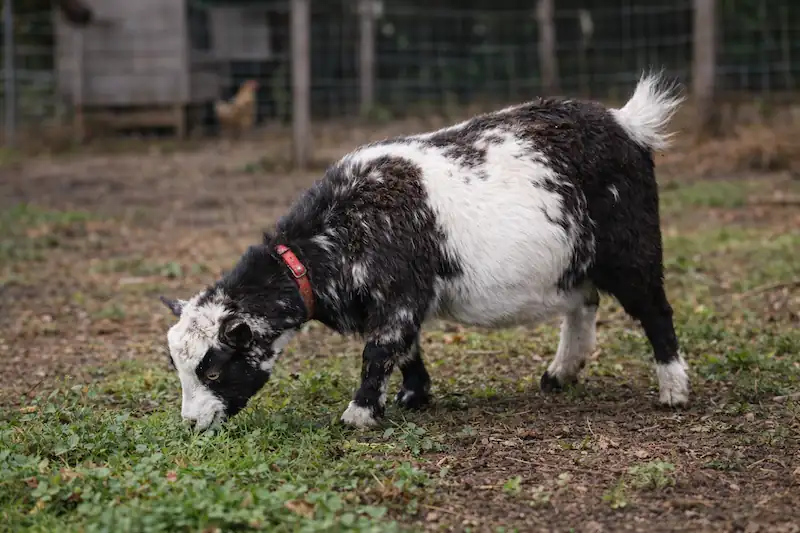
Pygmy Goats are a small, sturdy breed known for their friendly nature and playful behavior. They come from West African Dwarf goats and have been around for generations.
Even though they’re small, they’re built strong. Most Pygmy Goats weigh between 40 and 60 pounds and have a height of 16 to 23 inches at the shoulder. With proper care, they usually live 10 to 15 years.
They have short legs, a stocky body, a broad face, and coats in many colors and patterns. While they were originally raised for meat, today Pygmy Goats are most often kept as pets, show animals, or even for small-scale milk production.
Pygmy goats are just one example of the many breeds with unique traits. Learn more about goats, their breeds, and fascinating facts.
Why Are Pygmy Goats So Popular?
Pygmy Goats have become a favorite choice for families, homesteaders, and small property owners. Their compact and solid size makes them easier to manage than full-size goats, even if you don’t have a lot of land.
They’re also known for being gentle, social, and curious, which makes them great companions. Whether you’re looking for a fun pet or a helpful addition to your homestead, Pygmy Goats fit in surprisingly well.
While Pygmy Goats are known for their playful, compact nature, Nigerian Dwarf Goats offer a similar small size but with higher milk production and a wide variety of coat colors.
Why Choose Pygmy Goats?
So, what makes Pygmy Goats such a popular choice? There are a few good reasons why people love having them around.
Great for Smaller Spaces
Compared to full-size livestock, Pygmy Goats don’t need a huge amount of space. They’re a good fit for hobby farms and smaller homesteads, and in some cases even suburban properties. Be sure to check your local rules before bringing any goats home.
Friendly, Fun, and Great Companions
Pygmy Goats are known for their playful and curious personalities. They’re friendly, enjoy attention, and often form strong bonds with their owners. Many people describe them as more like dogs than farm animals.
They usually do well with children and can get along with other animals when introduced properly. Since they’re very social, they’re happiest when they have at least one goat buddy. Keeping just one goat is never a good idea.
Helpful Around the Homestead
Pygmy Goats aren’t only cute, they’re useful too. They love to browse and can help control weeds and overgrown brush naturally.
They also produce rich, tasty milk, although not as much as larger dairy goat breeds. On top of that, their manure makes excellent compost for gardens. And of course, they bring plenty of entertainment and joy to daily life with their playful antics.
Is a Pygmy Goat Right for You?
Before you decide, it’s a good idea to think about whether Pygmy Goats truly fit your lifestyle. A short, interactive quiz can help with that.
The quiz could ask simple questions about:
- How much space you have
- How much time you can dedicate each day
- Your budget for feed, shelter, and vet care
- Your experience with animals
- Your overall lifestyle
Based on the answers, readers can get a personalized sense of whether they’re ready to own Pygmy Goats or need to prepare a bit more first.
Pygmy Goat Care: Daily & Long-Term Tips
Caring for Pygmy Goats might seem like a lot at first, but breaking it down into daily and seasonal routines makes it much easier. Here’s everything you need to keep your little goats happy, healthy, and thriving.
Housing & Shelter
Even though Pygmy Goats are small, they need enough room to move, play, and explore. A cozy spot also keeps pygmy goats safe from the weather: rain, wind, hot sun, and snow. Make sure your goat shelter is draft-free but still allows airflow to prevent respiratory problems. Strong walls, secure doors, and good locks are a must to keep out predators such as dogs, coyotes, and bobcats.
Don’t squeeze them into tiny spaces. They’ll get bored, stressed, or even start finding ways to escape.
Bedding Options
Straw, wood shavings, or pine pellets all work, each has pros and cons. Clean and replace bedding regularly to keep it fresh and dry.
Ventilation
Good airflow helps prevent illness, but avoid drafty areas.
Fencing & Containment
Pygmy Goats are little escape artists. Strong fencing keeps them in and predators out, and it also helps manage grazing.
Types of Fencing
- Woven wire (field fence, no-climb fence): sturdy and reliable.
- Electric netting or multi-strand electric fencing: good for temporary pastures.
- Panel fencing (cattle or hog panels): handy for small pens or kidding areas.
Height & Security
- Minimum height: 4 feet, but 5 feet is safer.
- Extra security: bury the bottom of fences, add hot wire, or reinforce gates.
- Regularly check for weak spots, and remove anything goats could climb on to escape.
Invest in strong, predator-proof fencing from the start, it saves headaches later.
Feeding & Nutrition
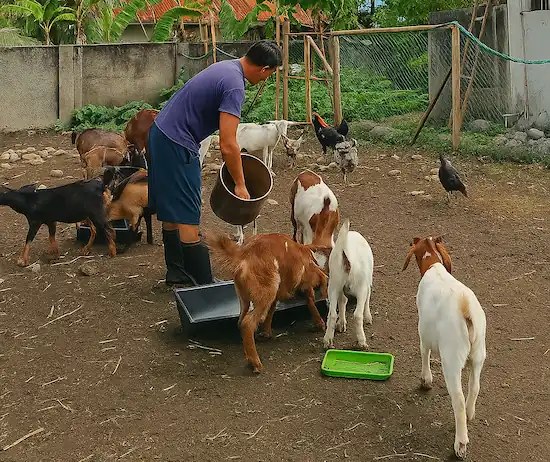
Pygmy Goats are ruminants, so they need mostly forage. Good-quality hay, such as orchard grass or timothy, should be their main diet. They also enjoy browsing on safe leaves, twigs, and shrubs, but check for toxic plants first.
Goats need specific minerals like copper and selenium. Use loose minerals or blocks designed for goats. Avoid just giving random supplements; they could be harmful.
Fresh water should always be available. In winter, consider heated waterers to prevent freezing.
Feed grain only when needed: pregnant or nursing does, growing kids, or in cold weather. Too much grain can cause digestive issues, so feed carefully.
To explore goat diets in depth, including forage, supplements, and treats, check out our dedicated article on what do goats eat?
Toxic Plants to Avoid
Be aware of toxic plants like azaleas, rhododendrons, and cherry leaves, as they are deadly to goats. Remove hazardous plants from pastures.
Use feeders and waterers designed for goats: hay racks, grain dishes, and buckets for water help keep things clean.
Health & Wellness
Watch out for worms, lice, mites and diseases like pneumonia, CAE (Caprine Arthritis Encephalitis), and urinary problems in males.
Core vaccines like CD&T are essential. Depending on your region, you might need rabies or other shots. Check with your vet for a schedule.
Use fecal egg tests to avoid overusing dewormers. FAMACHA scoring helps spot anemia early.
Trim hooves every 4-6 weeks. Learn the proper technique or hire a pro. Regular trimming prevents pain and lameness.
Changes in behavior, appetite, manure or movement can signal problems. Fever, coughing, or discharge are red flags. Know your vet and call early if something seems off.
Grooming & Maintenance
- Brushing: Keeps coats healthy, reduces shedding, and strengthens your bond.
- Clean living areas: Keep shelters and feeding spots tidy, and check for parasites often.
Seasonal Care
Goat care changes with the seasons. For example:
- Winter: extra bedding, warmer water, more calories.
- Summer: provide shade and plenty of fresh water.
- Breeding & kidding season: watch nutrition and health closely.
Understanding Pygmy Goat Personality & Behavior
Pygmy Goats are herd animals, which means they need a buddy or better yet, a small group. Keeping just one goat is a recipe for loneliness, stress, and bad behavior. Always plan for at least two so they can keep each other company.
These little goats are full of personality! Expect playful antics like head-butting, climbing, and running around just for fun. They love to browse and graze, and their curiosity makes them smart and quick learners.
How They Communicate
Pygmy Goats have their own language. They’ll bleat, grunt, and snort, and their body tells you a lot too. Watch their tail, ears, and head for signs of mood and interest.
Training & Manners
Goats can actually be trained! Start young with halter training and leading. Positive reinforcement works best. Treats, praise, and patience go a long way. Teaching simple manners early makes them much easier to handle as adults.
Getting Along with People & Other Animals
The key to friendly goats is early socialization. Handle kids gently and often to build trust. Introduce them slowly to other animals or pets so everyone gets along.
Personality & Enrichment
Each goat has its own quirks and personality. When choosing a goat for your family, think about energy level, temperament, and how they’ll fit into your household.
Keep them entertained to prevent boredom. Arrange goats-specific toys like climbing structures, stumps, big balls, or even old tires. They can make their life fun and reduce destructive behavior.
Breeding & Kidding
If you’re considering raising Pygmy Goats for babies, it helps to know the basics. Female goats, called does, go into heat on a regular cycle, which is when they’re ready to breed. Most goats are best bred once they reach a healthy adult size. Once pregnant, their gestation lasts about 145 to 155 days, roughly five months.
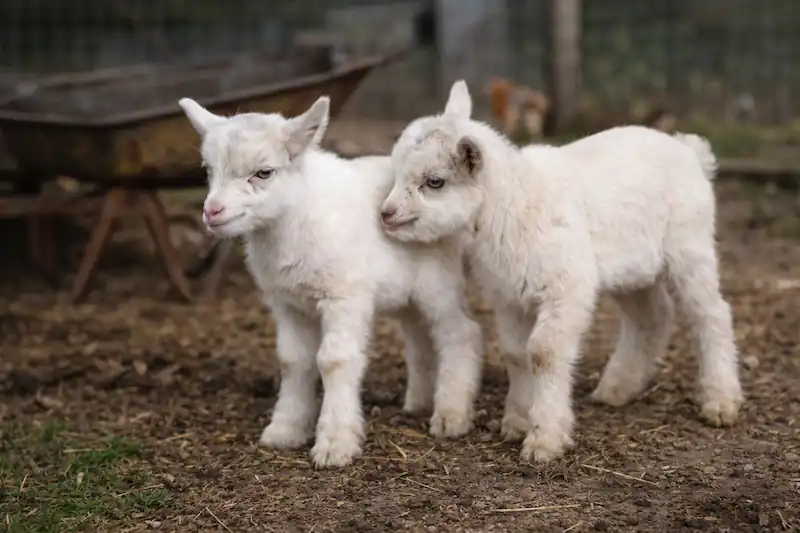
You’ll notice signs that a doe is getting ready to kid. Her behavior might change, her udder fills out, and the ligaments near her tail loosen. Labor happens in stages, and it’s important to stay calm and prepared.
Pregnant does need a bit more care, especially extra nutritious food and a clean, safe space to give birth, called a kidding pen. Once the kids arrive, make sure they get colostrum (the first milk). Also, keep an eye on their health and take care of the umbilical cord. If you’re considering disbudding or dehorning, now is the time to plan.
Legal & Ethical Things to Know Before Getting Pygmy Goats
Before bringing goats home, it’s important to check your local rules. Some neighborhoods allow livestock; others don’t. Some may limit how many you can keep. Look into zoning laws, permits and any restrictions for residential areas. Also, think about neighbors as goats make noise and, well, have their own aroma, so it’s good to be considerate.
Owning goats also comes with ethical responsibilities. They need proper space, good food, and regular vet care. Neglect or poor care isn’t only illegal, it’s also unfair to these smart and social animals. Always make sure you understand and meet their needs.
What Pygmy Goats Cost
Owning goats isn’t free, but knowing the costs ahead of time makes planning easier.
Initial Setup Costs
- Buying your goats (prices depend on age, sex, and lineage).
- Shelter; building or buying one.
- Fencing materials and installation.
- Feeders and waterers.
- Vet check-up and first vaccinations.
- Starter supplies like hoof trimmers and a basic first aid kit.
Ongoing Costs (Monthly/Yearly)
- Hay, grain, and mineral supplements.
- Vet care: routine shots, deworming, or emergencies.
- Bedding and clean-up supplies.
- Grooming tools and hoof care.
- Shelter maintenance.
Bringing Home Your Goats: Picking & Preparing
Look for bright eyes, a clean nose, a good body condition, alert behavior, and clean rear ends. Avoid goats that seem tired, cough, have diarrhea, or walk strangely.
Finding a Good Breeder or Rescue
- Clean and well-kept facilities.
- Healthy, happy herd.
- Transparent and knowledgeable staff.
- Health records, including testing for common diseases (CAE, CL, Johnes).
- Vaccination and deworming history.
- Socialized kids that are used to people.
Questions to Ask Before Buying
- Health history of the parents.
- Current diet and care routine.
- Temperament and personality.
- Any special care needs.
Always quarantine new goats for 3–4 weeks. This helps catch any illnesses before they spread to your existing herd.