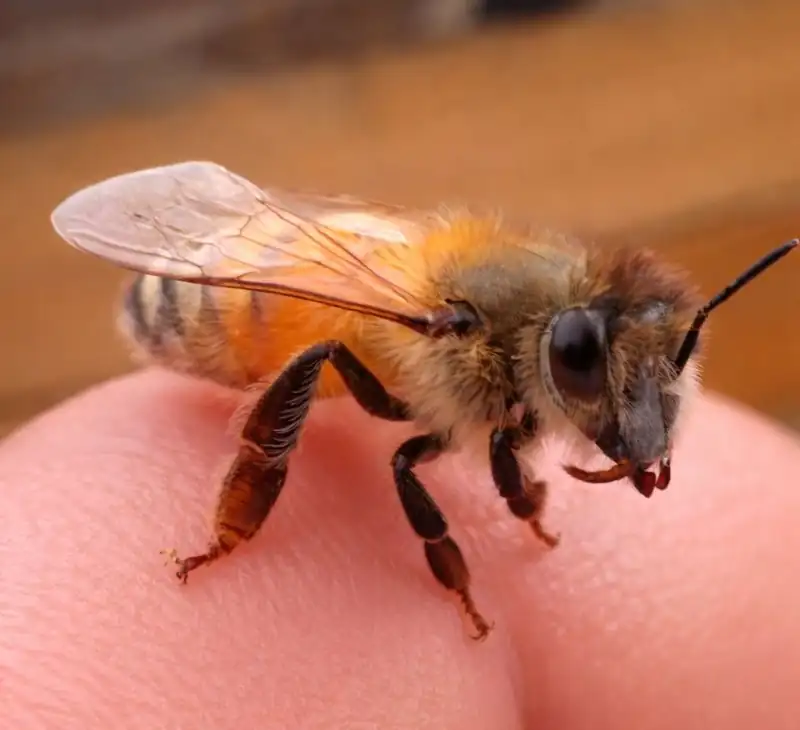
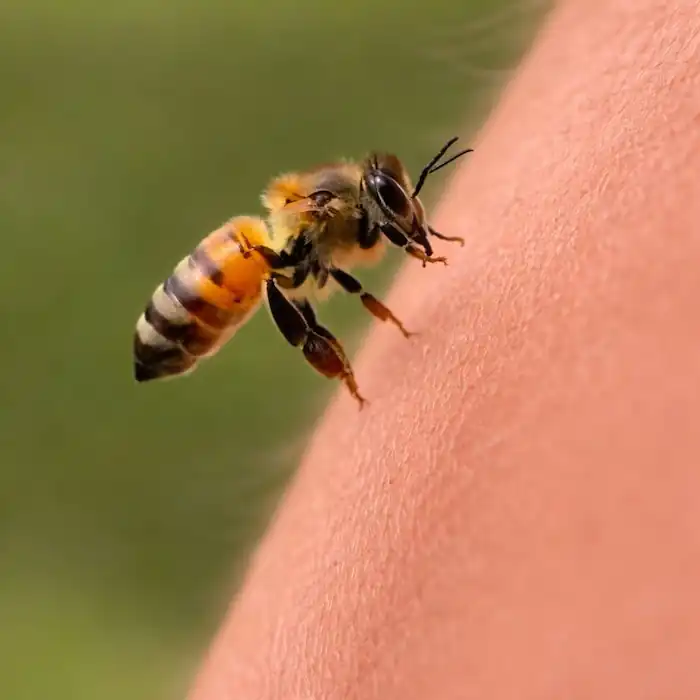
Yes, honey bees can sting but it’s not as simple as it sounds.
Honey bees sting mainly to protect themselves or their hive. They aren’t out to attack people for no reason. The tricky part? When a honey bee stings, its barbed stinger gets stuck in the skin, and the bee usually dies afterward. Yep, it’s a one-way ticket for the bee, which makes them quite different from wasps or hornets.
Experts in entomology agree: bees aren’t naturally aggressive. They sting only when they feel threatened.
Common Symptoms of a Honey Bee Sting
Most honey bee stings are mild and cause temporary discomfort. Typical symptoms include:
Redness or pink color around the area
Sharp pain or a burning feeling at the sting site right away
Swelling or puffiness that usually lasts a few hours
Itching or irritation as the venom settles in
Warmth or a slightly tender feeling around the sting
These symptoms usually fade within a few hours to a day. Ice, pain relievers, or antihistamines can help make them more comfortable.
Why Do Honey Bees Sting?
1. Protecting Their Home
Bees are very loyal to their hive. Think of it like a tiny buzzing neighborhood; they’ll do whatever it takes to protect it. If they sense danger near their home, they’ll sting without thinking twice, even if it costs them their own lives. That’s how serious they are about keeping the colony safe.
2. Feeling Threatened
Sometimes a bee doesn’t need a reason; it just feels threatened. Things like sudden movements, loud noises, vibrations, or even dark clothes can make them nervous. Invade their personal space, and they might take it as a warning sign to defend themselves. Basically, bees are always on alert when they think something weird is happening around them.
3. Sending an Alarm
You’d have noticed that when a bee escapes you, other hive bees also try to sting you. It’s because when a bee stings, it releases a special chemical called an alarm pheromone. This is like a little ‘danger signal’ for the rest of the hive. Other bees can pick up on it and rush over, which sometimes leads to multiple stings. It’s their way of calling for backup!
4. Defending Themselves
Sometimes it’s just personal. If a bee gets trapped, crushed, or poked, it will sting to protect itself. It’s like their natural reflex. They’re not trying to be mean, just trying to survive.
5. Different from Wasps or Hornets
Honey bees aren’t out hunting like wasps or hornets. They don’t sting for food or fun. Their stings are purely defensive. They’re guardians, not predators.
Ground bees can be tricky. Our guide on safely getting rid of ground bees shows how to handle them without harming the colony.
The Honey Bee’s Stinger
Honey bees might be small, but their stingers are a remarkable and deadly piece of nature’s engineering. Unlike smooth stingers on some insects, a honey bee’s stinger is covered in tiny barbs, almost like microscopic hooks. These barbs make the stinger stick firmly in the skin once it pierces, so it doesn’t just slide out easily.
Attached to the stinger is a venom sac, a little biological pump that keeps pushing venom into the wound even after the bee has flown away or, sadly, after the bee has died. This is why a bee sting can keep hurting for a while.
How the Sting Happens
The stinging process is both fascinating and tragic. When the bee strikes, its barbed stinger lodges in the skin. As the bee flies away, the stinger stays behind, and part of the bee’s internal organs are pulled out along with it. In essence, the bee sacrifices itself to protect its hive, making the sting a one-time weapon in its life.
This design might seem cruel, but it’s all about defense. The barbs ensure the venom gets delivered effectively to the threat, giving the colony a fighting chance. And while it’s a fatal consequence for the bee, it’s just nature doing what it does best, protecting the community.
A simple diagram showing the stinger’s barbs and venom sac makes this even easier to picture: a tiny but powerful system, carefully built by evolution.
Honey Bees vs. Other Stinging Insects
If you’ve ever been buzzed by an insect and panicked, remember, not all stinging insects are the same. Knowing the difference can resolve a lot of problems and may prevent a sting or two. Let’s discuss it in detail.
Honey Bees
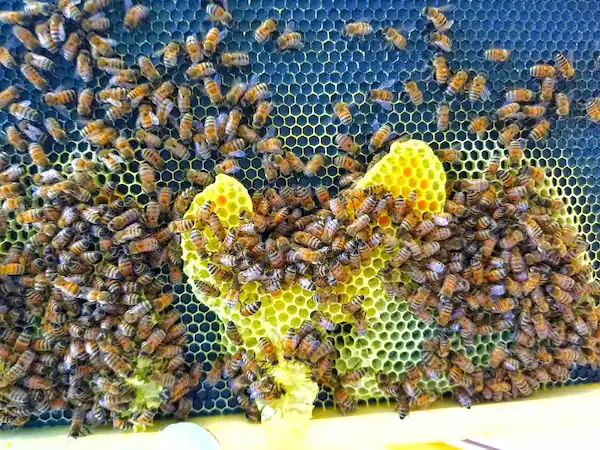
These are the fuzzy little workers you usually see buzzing around flowers. They’ve got round bodies with black and yellow-orange stripes. Their stinger is barbed, which means it gets stuck in the skin if they sting, and unfortunately, the bee dies afterward. But here’s the good news: honey bees are gentle. They only sting when they feel threatened or if someone messes with their hive.
For situations where bees need to be removed, learn the steps for getting rid of bees safely and ethically.
If you don’t dare that, you can also consider relocating honey bees with the right approach.
Wasps
Wasps are the sleek, slim guys with bright yellow and black stripes. Unlike honey bees, their stingers are smooth, so they can sting multiple times. Wasps can be a bit more aggressive, especially if they’re hunting for food, so don’t swat at them. They’re not shy about defending themselves.
Hornets
Hornets are basically the heavyweight champions of stingers. They’re bigger, often black with white or yellow markings, and can sting multiple times too. They’re highly aggressive, especially near their nests, and are predatory, meaning they can hunt other insects. Definitely not one you want to mess with.
Bumblebees
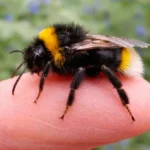
Bumblebees are the big, fluffy, gentle giants of the bee world. They’re very large, super fuzzy, and mostly black and yellow. Bumblebees can sting, but it’s rare; they usually do it only if their nest is disturbed or they feel seriously threatened.
Myths About Honey Bee Stings
Honey bees get a bad rap sometimes. People think they’re aggressive little monsters just waiting to sting, but that’s far from the truth. Let’s clear up some common misconceptions:
Myth 1: All bees are aggressive and will sting you.
Reality: Not true! Most honey bees are calm and docile. They only sting defensively, like if they feel threatened or if their hive is disturbed. Scientists confirm that most bee species are not aggressive at all. They’d rather buzz around flowers than pick a fight.
Myth 2: All bees die after stinging.
Reality: Nope! Only honey bees die after stinging humans because their barbed stinger gets stuck in your skin. Unlike honey bees, wasps, hornets, and bumblebees can sting multiple times because their stingers don’t get stuck.
Myth 3: Home remedies can fix any bee sting.
Reality: Some home treatments, like ice or aloe, can soothe minor stings, but they won’t help if someone has a severe allergic reaction, called anaphylaxis. In those cases, immediate medical attention and epinephrine are essential.
Myth 4: Swatting a bee is the best way to get rid of it.
Reality: Absolutely not! Swatting can provoke the bee, and if it stings, it may release alarm pheromones. Basically, a call for backup that can attract more bees.
Let me tell you, getting stung by a honey bee can be painful, but panicking only makes it worse. There are a few simple steps that I have tested over the years that make it much easier to handle.
Remove the Stinger Immediately
First things first: check for the stinger. Honey bees leave their barbed stinger behind, and it keeps pumping venom into your skin if you don’t remove it quickly.
My go-to trick is to scrape it off with a fingernail, credit card, or anything blunt; never squeeze it. Scraping prevents more venom from getting in and makes the sting hurt a little less. Once it’s out, wash the area with soap and water to keep it clean.
Reduce Pain and Swelling
Next, I like to tackle the pain and swelling. A cold pack or some ice on the sting helps calm the swelling, and if it’s really bothering me, an over-the-counter painkiller like ibuprofen works well. Sometimes, I also use antihistamine cream or oral antihistamines for itching.
If the sting is red or irritated, a little hydrocortisone cream can help too. For people who are frequently outdoors, a small bee-sting kit can be a lifesaver; it usually includes a venom extractor, antihistamines, and pain relievers all in one.
Watch for Severe Allergic Reactions
While most stings are minor, it’s crucial to know the signs of a serious allergic reaction. If you notice swelling spreading beyond the sting site, trouble breathing, dizziness, or hives, call the emergency helpline immediately.
People with known allergies should always carry two epinephrine auto-injectors like an EpiPen or Auvi-Q and know how to use them. I always make sure to have one nearby when I’m gardening or hiking, just in case.
Curious about the royal side of the hive? Discover how a bee becomes a queen and what it takes to raise queen honey bees.
Prevent Future Stings
Preventing stings in the first place is even better than treating them. Over time, I’ve picked up a few habits that really help. I wear light-colored clothing, avoid strong perfumes, and keep food and drinks covered outside.
I also stay mindful around flowers and always check before sitting on outdoor furniture or picking up objects from the ground. And if I’m near a hive or a swarm, I give them plenty of space. Remember that calm respect works better than swatting or running.
David Carter, founder of Farmstead Guide, has over 20 years of hands-on homesteading experience. From raising poultry to practicing sustainable farming, he shares practical tips and insights to help others live a more self-sufficient lifestyle.