How to Treat Bloat in Goats?
Understanding Bloat in Goats
Bloat in goats happens when too much gas builds up in the rumen, which is the largest part of a goat’s stomach. Normally goats release this gas by burping, but when they can’t, the gas gets trapped and the stomach starts to swell. As the rumen expands, it presses against the lungs and heart. This makes it hard for the goat to breathe and can quickly become life-threatening.
The scary part is how fast this can happen. A goat may go from looking a little uncomfortable to being in serious danger within a short time. That’s why bloat is considered an emergency and needs quick action.
Some cases can be treated at home, but it’s important to be careful. If the treatment is done wrong or the condition is already severe, it can make things worse. The goal of this guide is to help you stay calm, understand what’s happening, and take the right steps quickly.
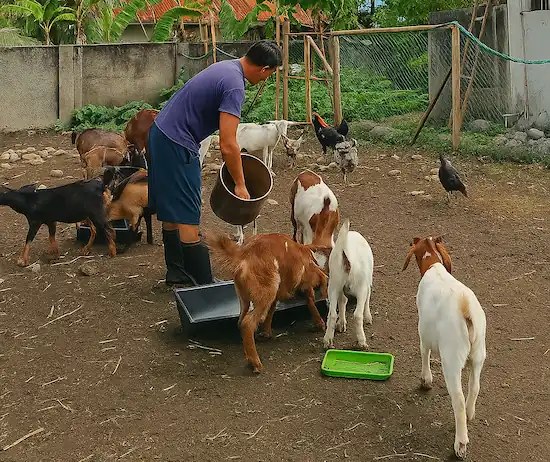
Understanding goat behavior, feeding habits, and social tendencies helps owners spot early signs of distress, including bloating, and maintain overall herd health.
Understanding the Rumen: How Bloat Happens
To understand bloat, it helps to know a little about how a goat’s stomach works. The rumen is the largest part of the stomach, and it acts like a natural fermentation tank. When a goat eats grass, hay, or other plants, tiny microbes inside the rumen break that food down. This process helps the goat get nutrients from tough plant material that it couldn’t digest on its own.
During this digestion process, gases like methane and carbon dioxide are produced. That’s completely normal. Goats usually release these gases by burping, so the rumen doesn’t get too full.
Bloat happens when those gases can’t escape. Sometimes the gas gets trapped in a thick foam that forms in the rumen; this is called frothy bloat. In other cases, the goat simply can’t burp because something is blocking the process, which leads to free-gas bloat.
When the gas keeps building up, the rumen starts to swell like a balloon. This swelling pushes against important organs like the lungs and heart, making it hard for the goat to breathe and circulate blood properly. That’s why bloat can turn dangerous so quickly if it isn’t treated.
Types of Bloat (Frothy vs. Free-Gas)
Not all bloat in goats is the same. There are two main types, and knowing the difference is really important because the treatment can be completely different.
Frothy bloat happens when gas gets trapped in lots of tiny bubbles inside the rumen contents. Instead of forming one big pocket of gas, the bubbles mix with the food and create a thick foam. This usually happens when goats eat a lot of lush pasture like clover or alfalfa, finely ground grain, or when their diet changes suddenly.
Free-gas bloat, on the other hand, is when a large pocket of gas builds up in the rumen but the goat can’t burp it out. This often happens because something is blocking the esophagus (called choke), a foreign object is stuck, or the rumen simply isn’t moving properly.
This is why telling the two apart matters so much. A treatment that works for free-gas bloat may not help frothy bloat at all. In some cases, using the wrong approach can waste valuable time when the goat needs help quickly.
Identifying Bloat: Symptoms to Watch For
Bloat usually doesn’t appear out of nowhere. Goats often show small warning signs first. If you notice them early, you can act before the problem becomes serious.
Early Warning Signs
At the start, the signs can be easy to miss. A goat may seem quiet, restless, or less interested in food. Some goats stop moving around as much or look uncomfortable.
You might also see small physical clues. The goat may stretch its body, swish or lift its tail repeatedly, or show mild belly discomfort.
A good habit is to know what’s normal for your goats. Pay attention to their usual behavior, appetite, and body shape. When something looks different, it’s often the first sign that something is wrong.
Clear Physical and Behavioral Signs
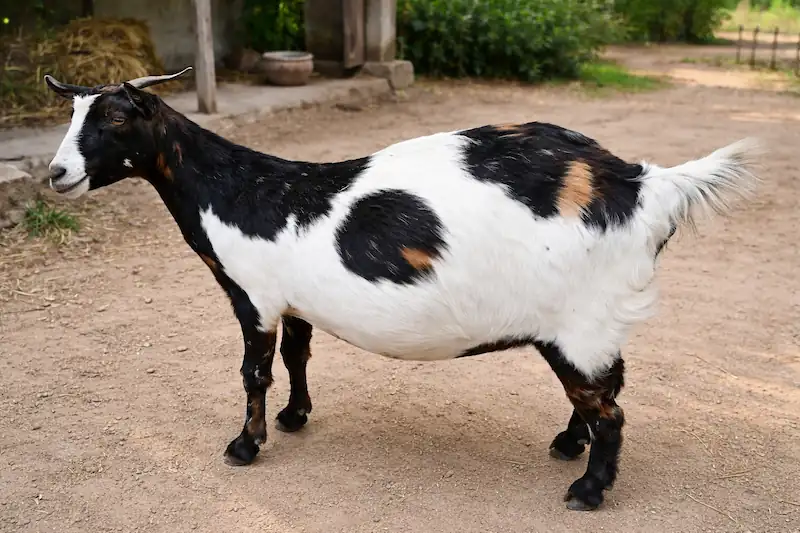
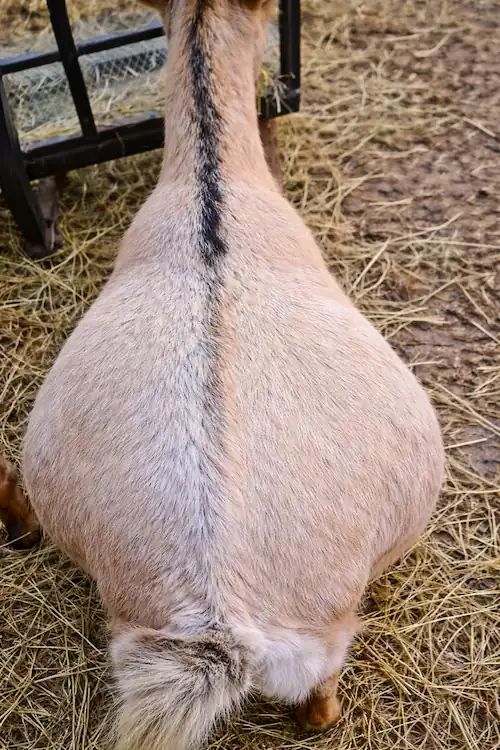
As bloat gets worse, the symptoms become easier to notice. The most obvious sign is swelling on the left side of the goat’s belly. This area is called the left flank. It may start to bulge and feel tight. In serious cases, it can feel hard and drum-like when you touch it.
Breathing may also become difficult. The goat might breathe heavily, grunt, or even breathe with its mouth open. Sometimes you may see foam or saliva around the mouth.
A goat in pain may stand awkwardly, kick at its belly, or grind its teeth. These are common signs of discomfort.
Another clue is the rumen sound. Normally, you can hear gentle gurgling from the rumen. With bloat, these sounds may disappear or become unusually loud and gassy.
You can also gently press the left flank with your hand. If it feels very tight like a drum, gas has likely built up inside the rumen.
Causes of Bloat
Understanding what causes bloat helps you prevent it.
Diet-Related Causes
One of the most common causes is lush pasture, especially plants like alfalfa and clover. These feeds ferment quickly in the rumen and can create a lot of foam.
High-grain diets can also cause problems, especially if goats suddenly eat too much grain or finely ground feed. This leads to rapid fermentation and gas buildup.
Another major risk is sudden diet changes. The microbes in the rumen need time to adjust to new foods.
A simple rule is to introduce new feeds slowly. Any change in diet should be done over about 7–10 days so the rumen can adapt.
Management and Environmental Risks
- Lack of roughage: Goats need enough roughage such as hay or long fiber. This helps the rumen move properly and supports normal burping.
- Poor water access: Goats must have clean drinking water. Dirty or limited water can disturb digestion and increase the risk of bloat.
- Pasture conditions: Grazing on young, rich pasture or frost-covered plants can raise the chances of bloat.
- Monitoring pasture: Always keep an eye on pasture quality, especially when goats are eating fresh legumes like alfalfa or clover or grazing after a frost.
Health Problems That Can Cause Bloat
Sometimes bloat happens because of another health problem. A common example is choke, when food or another object gets stuck in the esophagus. When this happens, the goat can’t release gas, which leads to free-gas bloat.
Some illnesses can also slow down rumen movement. When the rumen stops contracting normally, gas cannot escape.
In severe sickness, a goat may lie down for long periods. This can also allow gas to build up inside the rumen. Because of this, any serious illness can increase the risk of bloat. Keeping goats healthy and watching for early signs makes a big difference.
Step-by-Step Emergency Treatment Guide for Bloat
If a goat has bloat, you need to act quickly. The treatment depends on which type of bloat it is: frothy bloat or free-gas bloat. The steps below explain what you can do right away while keeping the goat safe.
What to Do for Frothy Bloat
Frothy bloat happens when gas is trapped in foam inside the rumen. The goal is to break that foam so the gas can escape.
1. Give an Anti-Foaming Agent
Use a product that breaks down the foam in the rumen. Common options include Poloxalene products like Bloat Guard or Therabloat, or sometimes mineral oil.
Always check the product label for the correct dose. The right amount can depend on the goat’s size. When in doubt, contact a vet.
2. Drench the Goat Carefully
The liquid is usually given by drenching, which means slowly pouring the solution into the goat’s mouth using a drenching bottle or syringe. Hold the goat’s head steady and give the liquid slowly so the goat can swallow safely.
It helps to practice drenching with plain water before an emergency. This makes the process easier and less stressful for both you and the goat.
3. Encourage Gentle Movement
Let the goat walk slowly for a few minutes. Light movement can help the rumen start working again and may help release gas.
4. Massage the Left Side
Gently massage the left flank (the swollen area of the belly). This may help move the rumen contents and allow gas to escape.
What to Do for Free-Gas Bloat
Free-gas bloat happens when a large pocket of gas builds up and the goat cannot burp it out. The goal here is to release the trapped gas.
1. Use a stomach tube
A stomach tube is often the quickest way to release gas. Basic steps include:
- Restrain the goat and keep its head steady
- Carefully insert the stomach tube through the mouth and down the esophagus
- Once the tube reaches the rumen, gas should start escaping, sometimes with a noticeable rush of air
This process must be done carefully. The tube must go into the esophagus, not the windpipe. If done incorrectly, it can harm the goat. If you are unsure, call a vet for help.
2. Try a baking soda solution (for mild cases)
If a stomach tube is not available and the bloat seems mild, you can try a baking soda solution.
Mix about 1–2 tablespoons of baking soda in water and give it slowly as a drench. This may help balance the rumen and encourage the goat to burp.
Again, it’s always best to check with a vet when possible, especially if the goat does not improve quickly.
When to Call the Veterinarian
Home treatment can help in many cases, but it doesn’t always work. Sometimes the goat needs professional veterinary care, and waiting too long can be dangerous.
If Home Treatment Doesn’t Work
Watch the goat closely after you try the first treatment.
- No improvement: If the swelling and symptoms don’t improve within 30–60 minutes, or they start getting worse.
- Bloat comes back quickly: Sometimes the gas goes down for a short time but returns again soon after.
If either of these happens, it’s best to call a vet right away.
Severe Signs That Need Immediate Veterinary Help
Some symptoms mean the situation is serious and needs professional treatment.
- Extreme distress: The goat collapses, struggles badly to breathe, or cannot stand up.
- Possible choke: If you think something is stuck in the esophagus and you can’t safely remove it.
- Bloat lasting for hours: If the swelling continues for a long time despite your efforts.
In these cases, don’t delay calling a veterinarian.
Know the Limits of Home Treatment
Home treatment is meant for quick emergency action, not a full replacement for veterinary care. There are times when only a vet has the tools and medicines needed to save the goat.
A good idea is to talk to your vet before an emergency happens. Ask them about the best treatments, correct dosages, and what steps they recommend for your herd. Having a simple emergency plan ready can save valuable time when bloat occurs.
Post-Treatment Care and Recovery
Once the bloat goes down, the job isn’t completely finished. The goat still needs close care for the next day or two.
Watch the Goat Closely
Keep a close eye on the goat for 24–48 hours.
Things to check regularly:
- Rumen sounds: Listen for normal gurgling from the rumen
- Appetite: The goat should slowly start eating again
- Water intake: Make sure it drinks normally
- Droppings: Normal defecation shows the digestive system is working again
If swelling or discomfort comes back, contact a vet.
Bring Food Back Slowly
Don’t rush the goat back to its normal diet.
- Start with small amounts of good quality hay and clean water
- Avoid lush pasture, clover, alfalfa, or grain for a few days
- Slowly return to the normal diet once the goat looks completely normal
This helps the rumen recover and prevents the bloat from returning.
Support the Rumen
After bloat, the rumen microbes may be out of balance. A few simple things can help recovery.
- Probiotics: A probiotic paste or supplement can help restore healthy rumen bacteria
- Electrolytes: An electrolyte solution can support hydration and energy
Also make sure the goat always has fresh water and loose minerals available. Good hydration and mineral balance help keep digestion working properly.
Preventing Bloat: Long-Term Strategies
Preventing bloat is much easier than treating it. Good feeding and management habits make a big difference.
Feed Management and Diet
A stable diet helps keep the rumen healthy. The following steps provide brief guidance on feed management. For more detailed information, please refer to our complete article on goat feeding.
- Always provide good quality hay or roughage
- Avoid sudden feed changes
- Introduce new feeds slowly over several days
This gives the rumen microbes time to adjust to new food. Don’t let your goat eat toxic plants.
Pasture Management
Pasture conditions play a big role in bloat risk.
- Rotate grazing areas, so goats don’t overeat lush plants
- Give goats hay before letting them graze on rich pasture
- Consider bloat-prevention blocks or supplements if your goats graze high-risk pasture
These steps reduce the chance of gas building up in the rumen. Besides that, proper shelter keeps goats safe from harsh weather, reduces stress, and supports healthy digestion, an important factor in preventing bloat and other digestive issues.
Water and Minerals
Healthy digestion also depends on proper hydration and minerals.
- Always provide clean, fresh water
- Offer goat-specific loose mineral supplements free choice
Water and minerals help the rumen function properly and lower the risk of digestive problems.
Going a Step Further
If bloat happens often in your herd, you may need a deeper look at the problem.
- Test your hay or pasture to check forage quality
- Work with a vet on targeted supplements or mineral balance
These steps can help prevent repeated bloat problems and keep your goats healthy in the long run. Additionally, providing toys and enrichment to goats encourages natural movement and activity, helping the rumen stay active and reducing the risk of gas buildup that can lead to bloat.