Automatic Feeder for Chickens
If you’re feeding your chickens every single day, you’d undoubtedly be dealing with annoying pests or having your chicken feed go to waste. These are some of the biggest challenges almost every chicken owner faces. Automatic chicken feeders can make a huge difference. They save you time, reduce feed waste, and help keep pests away.
Consistent nutrition plays a major role in chicken lifespan, and automatic feeders help ensure birds get a steady, balanced supply of feed.
In this guide, you’ll learn exactly how these feeders work and how to choose the right one for your flock. By the time you finish reading, you’ll know how to pick, install, and take care of an automatic feeder that makes your life easier and keeps your chickens healthy and well-fed, even when you’re not around.
Types of Automatic Chicken Feeder
Automatic chicken feeders come in different styles, and each one works in its own way. When you understand how they function, it becomes much easier to choose the one that fits your flock, your budget and your coop setup. Let’s explore the main types in a clear, simple way.
1. Treadle Feeders
A treadle feeder works through a weighted platform system. When a chicken steps onto the platform, the lid lifts, exposing the feed. The clever part is that only a chicken’s weight is enough to open it. Smaller pests like rats, mice, or wild birds can’t trigger the mechanism, so they never reach the feed. This design not only protects your feed but also keeps your coop cleaner and safer.
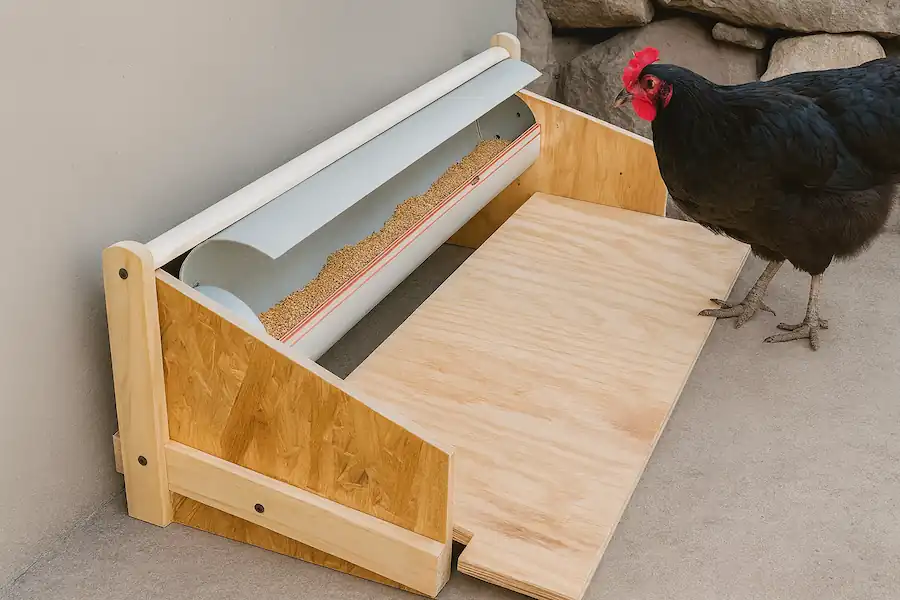
The biggest benefits of treadle feeders are their excellent pest control and major feed savings. Because the feed stays covered until your chickens step on the treadle, almost nothing gets wasted. These feeders also keep the feed protected from rain and weather, and many models come with large capacities that work well for bigger flocks.
However, treadle feeders do have a few downsides. They often cost more at the start, and your chickens might need a little training to learn how to use them. Very young or tiny birds may also find the mechanism intimidating or too heavy at first.
This type of feeder is best for people who deal with pests or want to reduce wasted feed. It works exceptionally well for flocks made up of adult birds.
If you want a reliable option, Grandpas Feeder and RentACoop Treadle Feeder are two trusted picks that many chicken keepers love.
2. Gravity Feeders
A gravity feeder works by holding feed in a tall container. As your chickens eat from the bottom, the feed drops down automatically. These feeders work best with pellets or crumbles, since these flow smoothly and are less likely to clog or jam.
The main advantage of gravity feeders is their simplicity. They are affordable, easy to set up, and your chickens can use them immediately with no training. They also come in many sizes and materials, so it’s easy to find one that fits your coop.
On the downside, gravity feeders are not naturally pest-proof unless they include special features. The open feeding area can allow rodents or wild birds to sneak in. The feed can also get wet or dirty if the feeder isn’t protected from the weather. And since the feed is always accessible, some chickens may scatter it, creating waste.
A gravity feeder is a good choice for anyone on a budget, new chicken keepers, or flocks living in a secure, low-pest environment. Many people also use them as a backup feeder.
Popular options like the Harris Farms Galvanized Feeder and Little Giant Plastic Feeder offer dependable quality at a great price. The latter one, Little Giant feeder is spacious and sturdy. It handles a mix of Grubbly Farms feed, Roosty’s herbs, and dewormers effortlessly, with smooth food flow and minimal spillage.
3. Timed or Programmable Feeders
Timed feeders use electronic timers and dispensing parts to release feed at specific times during the day. Some use augers to push feed out, while others use spinning plates. These feeders are usually battery-powered, and they give you full control over when and how much feed is released.
Their biggest advantage is precision. You can control portions, prevent overeating, and create consistent feeding routines. They’re invaluable if your chickens free-range and only need scheduled meals, or if you’re working with a tight feed budget.
Since programmable feeders use electronics and moving parts, they are more complicated and can have mechanical issues. They need power, either from batteries or an outlet. They are also not fully pest-proof because the feed becomes exposed during dispensing. And if you forget to refill them, they stop feeding your chickens.
These feeders are ideal for chicken keepers who want strict control over feeding habits or who need to manage special diets. They also work well for supplementing free-range routines.
Many people use special poultry timed feeders, depending on their setup and flock size.
4. DIY Automatic Feeders
DIY feeders usually rely on gravity-fed designs using PVC pipes, buckets, or food-grade barrels. You create openings or feeding ports that allow chickens to reach the feed without spilling too much. Most homemade feeders are simple but effective if designed correctly.
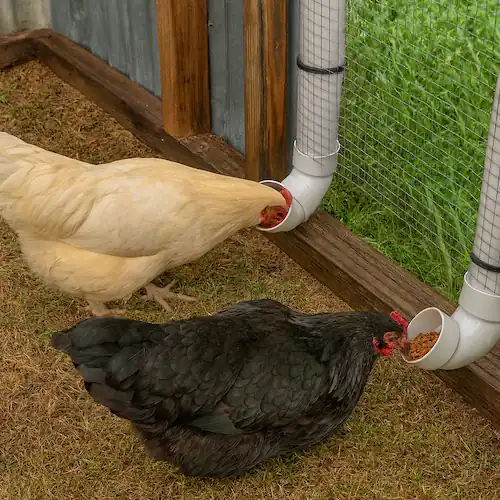
The best part about DIY feeders is that they can be customized to any coop layout or flock size. They cost much less than store-bought feeders, especially if you repurpose materials you already have. Many chicken keepers also enjoy the hands-on project and the satisfaction of building something useful.
The downsides mostly depend on your design and building skills. DIY feeders take time to build and may not always be fully weatherproof or pest-proof. If the angles or openings are not made correctly, the feed can jam or spill. Durability also varies depending on the materials you choose.
DIY feeders are perfect for people who enjoy building their own equipment, need custom shapes or sizes, or want to save money while still giving their flock a working feeder.
For building your own system, materials like PVC pipes, food-grade barrels, and Feeder Ports-style accessories make the process much easier and more reliable.
5. No Mess Feeders
The no-mess automatic feeder (check on Amazon) and waterer I use for my chickens has been one of the most reliable setups I’ve ever tried. After dealing with spilled feed and dirty water for a long time, this design finally solved those issues. I used nipple waterers that don’t hold any leftover water, so the bucket stays clean for days. In winter, I keep two buckets so I can switch them when one freezes.
I place the feeder inside the coop to avoid rain, and the water stays outside. The holes are the right size, so the chickens can easily stick their heads in without wasting feed. With a tight lid, rain has never been a problem, and even though the feeder stays outdoors, I haven’t seen droppings or unusual feed loss.
The water also stays clear because the system is sealed and prevents backflow. Overall, this setup reduces waste, saves time, and keeps daily care simple.
6. Chicken Grit Feeders
Many chicken keepers look for attractive yet practical ways to provide their flock with both calcium and granite grit. Some people start with temporary setups like small plastic dishes, but they often want something sturdier and nicer to look at. One idea that comes up is using a rabbit-style J feeder (check on Amazon), though it may sit too low for small bantams and could lead to wasted grit if the birds scratch it out.
Many people use small bowls or tiny feeders to give their chickens grit. These work well if they stay dry under a covered area. If the bowl might get rain, a few small holes at the bottom help the water drain out. Granite grit and oyster shell don’t go bad in the rain, so water isn’t a problem as long as it can drain.
Others like using simple bowls, metal dog dishes, or small hanging buckets. These can be screwed onto wood, hung with a hook, or placed on a block so the chickens don’t knock them over. Some chicken owners even sprinkle the grit on the ground and let the birds pick it up themselves.
The main idea is that grit and oyster shell don’t spoil in the rain, and chickens don’t need anything fancy. As long as the container drains well and the birds can reach it easily, almost any small feeder or dish works.
Choosing the Perfect Feeder for Your Flock
Picking the right automatic feeder can feel overwhelming, especially with so many options out there. We have compiled essential parameters to help you choose a feeder that fits your flock, budget, and daily routine. A good chicken feed system should make feeding easier, reduce waste, and keep your birds well-fed without constant checking.
Capacity and Flock Size
Start by thinking about how much your chickens eat in a day. Larger breeds eat more, and bigger flocks go through feed much faster. A feeder with the right capacity saves you from refilling too often while also preventing feed from sitting for too long.
A good tip is to match your feeder size with the number of chickens you have. Small backyard flocks can use smaller feeders, while bigger homesteads need larger or multiple feeders. This helps keep feeding simple and steady.
Material
Feeder materials make a big difference in durability. Galvanized steel is strong and long-lasting. It handles pests well and stands up to rough weather. High-quality plastic is lighter and usually more affordable. It won’t rust and is easy to move and clean.
Both materials have their pros and cons. Plastic can wear down under strong sunlight. Metal can become cold or hot depending on the climate. Choose the option that suits your weather, coop setup, and budget.
Weather Resistance and Feed Protection
Keeping feed dry is one of the most important parts of a good feeder. Rain, moisture, and humidity can spoil feed fast. Look for feeders with covered tops, overhangs, or sealed lids to keep water out. Sun exposure can also damage feed and weaken plastic over time.
Where you place the feeder matters too. A simple shelter or roof can protect the feed and make it harder for pests to reach it. Always set the feeder on level ground so it works properly.
Pest-Proofing Strength
Pests love chicken feed, so pest protection is a must. Treadle feeders, tight lids and raised designs help keep rodents away. Small feed openings also stop wild birds from stealing feed.
For even better protection, use more than one method. Keep your feed stored in sealed containers, remove spilled feed from the ground, and keep the coop clean. These simple steps make a huge difference.
Easy Cleaning and Refilling
A good feeder should be easy to clean. Look for smooth surfaces, wide openings, and parts you can remove without tools. Regular cleaning keeps your chickens safe from mold and bacteria. It also helps the feeder work smoothly without clogs.
Refilling should be quick and easy too. Tall lids, wide openings, and simple designs make feeding much less of a chore.
Durability and Long-Term Use
A feeder is an investment, so it should last. Check the construction quality. Strong welds, durable parts, and tight joints make a big difference over time. It also helps to read reviews from people who use the feeder daily. They often share how well the feeder holds up in real weather and real coops. This helps you avoid feeders that jam, break easily, or wear out fast.
Budget and Value for Money
Automatic feeders can be costly, especially the heavy-duty ones. But a higher upfront cost can save money in the long run by reducing waste and keeping pests away. DIY feeders can save money too, but they require time and effort.
Think about what matters most to you: time saved, feed saved, or money saved. The right feeder balances all three in a way that fits your flock and your lifestyle.
Setting Up Automatic Chicken Feeder
Now, we’d help you set up your new feeder the right way with our successful, proven techniques. We’d also guide you through training your chickens, especially if they get confused or scared at first.
Choosing the Right Location
- Pick a good spot for your feeder.
- Place it on level ground so it stays steady and works properly.
- Try to put it under some shelter to protect it from rain and harsh weather.
- Keep the feeder on level ground and under shelter. This keeps the feed dry and makes it harder for pests to reach it.
- Choose a place that is easy for you to refill. Your chickens should also feel safe when they come to eat.
Before installing an automatic feeder, make sure you understand the space chickens need so all birds can eat comfortably without competition.
Step-by-Step Installation Guide
Once you take the feeder out of the box, read the instructions clearly for assembly. Make sure it is secured so it does not tip over or slide. Now, fill it with the right type of feed. Check that your feeder works well with your feed type. Pellets, crumbles and scratch behave differently. The wrong feed can cause jams or waste.
When building chicken coop setups, it’s important to plan where your automatic feeder will be placed so the birds can access it easily without crowding.
Training Your Chickens
Introduce the new feeder slowly. Give your chickens time to get used to any automatic feeder. Treadle feeders often need more training.
- Prop the treadle slightly open so they can see the feed.
- Place a few treats on the treadle or inside the trough. This helps them become confident.
- Slowly remove the extra help as they learn how to operate it on their own.
- Be patient. Some chickens learn fast and others take a bit longer.
Monitoring Initial Feeding Behavior
Now it’s time to watch your flock closely for the first few days. Make sure every chicken is eating, especially the shy ones. If something seems off, adjust the feeder placement or repeat some training steps. See how your chickens behave around the feeder. Regular checks help you confirm that the feeder is working properly and that your flock stays healthy.
Solving Common Automatic Feeder Problems
Even the best automatic feeders can run into problems sometimes. The good news is that most issues are easy to fix once you know what to look for. Here are the most common problems chicken keepers face, along with how to solve them quickly.
Feed Jamming or Blockages
If your feeder keeps jamming, it usually means something is off with the feed type, moisture level, or the feeder mechanism. Some feed types clump when the air is humid, which can clog the feeder. Dirt or small debris can also block the flow.
To fix this, check the feed you are using and make sure it is dry and the right size for your feeder. Make sure your feeder is sitting on level ground, because even a slight tilt can affect how smoothly the feed moves. Remove any clumps or blockages by hand and clean the feeder regularly to keep everything moving well.
Pests Still Getting In
If rats, mice or wild birds keep sneaking into the feeder, it usually means the design is not being used correctly or the placement needs adjustment. Some pests are very clever and will test every angle until they find a weakness.
Start by checking that the feeder’s pest-proof features are working properly. Make sure a treadle feeder opens only under the weight of a chicken. Try raising the feeder off the ground if you can, because this often keeps smaller pests away. Store extra feed in sealed containers and keep the coop area clean to prevent pests from being attracted.
Many chicken owners on forums share the same struggle. These simple steps often make a big difference in keeping pests out.
Chickens Not Adapting or Feeling Scared
Sometimes chickens hesitate to use a new feeder. This happens with timid birds or when the feeder makes noises they are not used to. Most of the time, they need more time and encouragement.
If your flock seems unsure, go back to the training steps. Give them more time to explore the feeder. You can place a few treats on the treadle or inside the trough to make them curious. You can also keep their old feeder nearby for a short period so they do not feel pressured. This helps solve one of the biggest concerns chicken keepers have when switching to an automatic feeder.
Weather-Related Problems
If the feed gets wet or spoiled, the feeder may be sitting in a spot with too much rain, wind or snow. Even weather-resistant feeders can struggle when fully exposed.
To fix this, move your feeder to a more sheltered area. Add a small cover or roof above it to protect it from heavy rain. Always make sure the lid is tightly closed so no moisture gets inside.
Many chicken owners face this issue during rainy or cold seasons, and a slight adjustment in placement usually solves it.
Maintaining Chicken Feeder for Long Term
Maintaining your automatic feeder is the best way to keep it working smoothly for years. A regular cleaning routine helps protect your chickens and keeps the feed fresh and safe. It is a good idea to clean the feeder at least once a month, and even more often if you live in a humid area.
Start by emptying the feeder completely, brushing out old feed, and washing it with mild soap and warm water. Rinse it thoroughly and make sure it dries completely before refilling. This simple habit helps prevent mold, bacteria, and even insects from building up inside.
It also helps to check your feeder for any wear or damage from time to time. Look at the moving parts like treadles, hinges, or any dispensing system to make sure they are still working smoothly. Check the body of the feeder for cracks, rust, or any weakening of the plastic or metal. Make sure the seals and lids still close tightly so the feeder stays weather-resistant and pests cannot sneak in.
If you notice minor issues, many parts can be repaired easily. Springs, screws, and simple plastic pieces can often be replaced without much trouble. A quick fix can add months or even years to your feeder’s life. If a part looks too damaged to handle on your own, you can always reach out to the manufacturer for support or replacement pieces. Taking a little time for routine care keeps your feeder in great shape and protects your investment in the long run.
Top Automatic Chicken Feeders
While you can pick any chicken feeder that suits your needs, we’ve made it easier for you by handpicking our top three automatic chicken feeders. Each of these models has been tested for reliability, durability, and ease of use, ensuring consistent performance and effortless feeding for your flock. Save time, reduce waste, and enjoy peace of mind with feeders trusted by poultry enthusiasts.
Grandpas Automatic Chicken Feeder
After testing Grandpas Automatic Chicken Feeder, we found it to be one of the most reliable and pest-proof options. Its heavy-duty build and smart treadle design immediately stood out. Once our chickens completed the simple training process, the lid stayed securely closed when not in use. It entirely blocked rats, wild birds and other freeloaders.
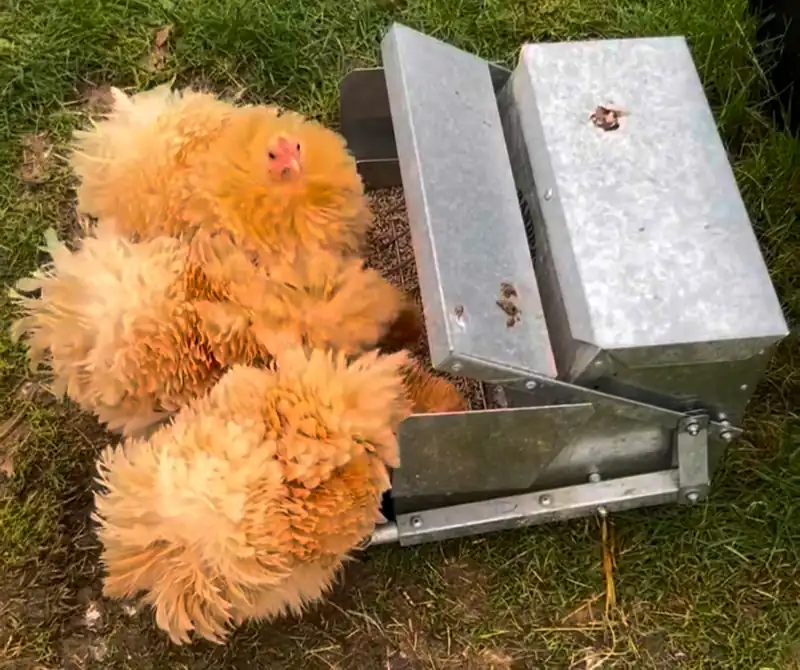
We also noticed a clear reduction in feed waste, since the birds can’t scratch or spill feed all over the coop. Even during heavy rain, the feed stayed completely dry and the unit felt sturdy enough to last for years.
Harris Farm Galvanized Hanging Feeder
After testing the Harris Farm galvanized hanging feeder with our own flock, we found it to be a budget-friendly choice for small to medium backyard setups. The metal build is sturdy, weather-resistant and spacious enough to hold several pounds of feed. The wide feed gap works smoothly and doesn’t clog, which is a big improvement over many plastic feeders we’ve used.
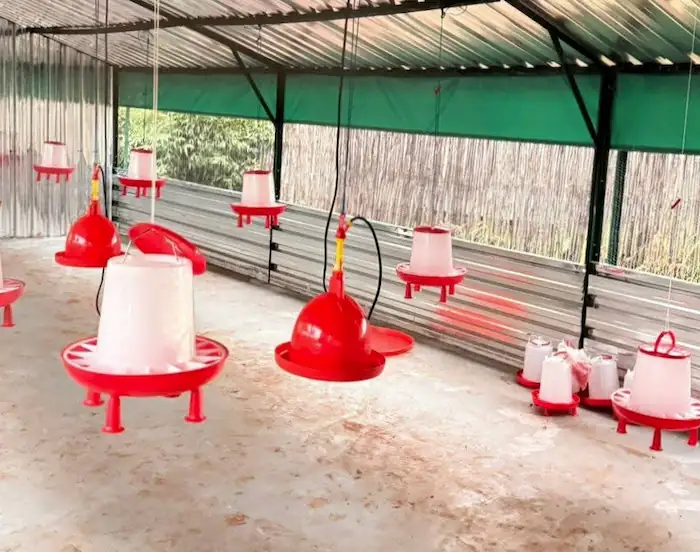
However, there are a few things to know before buying. The feeder has small open holes near the support brackets, and these must be covered with bolts or washers to prevent beak injuries. It also doesn’t come with a lid, so you’ll need a pot lid or ice-cream tub cover if your coop isn’t fully sheltered. Hanging the feeder gives the best feed flow; placing it on the ground reduces performance.
Tgeyd chicken feeder
After trying Tgeyd chicken feeder with our own flock, we found it to be a sturdy, practical option that really cuts down on daily chores. The galvanized metal feels tough and long-lasting, and once assembled, the whole unit stays solid, even when full of feed. It holds a good amount of food, though we do wish it were big enough for a full 50-lb bag.
Some chickens may pull feed out and waste it, so flipping the red ports outward or partially blocking the openings helps keep feed levels low and reduces spillover. A quick DIY fix also stops chickens from sitting on top. The locking lid is a bonus for keeping rodents out, and the stand keeps everything off the ground.
While a few birds may still scatter feed, overall we noticed far less waste and much cleaner feeding. It’s easy to refill and clean, and worth the slightly higher price for the durability and convenience it offers.