Indian Runner Ducks: Care, Eggs, Temperament & More
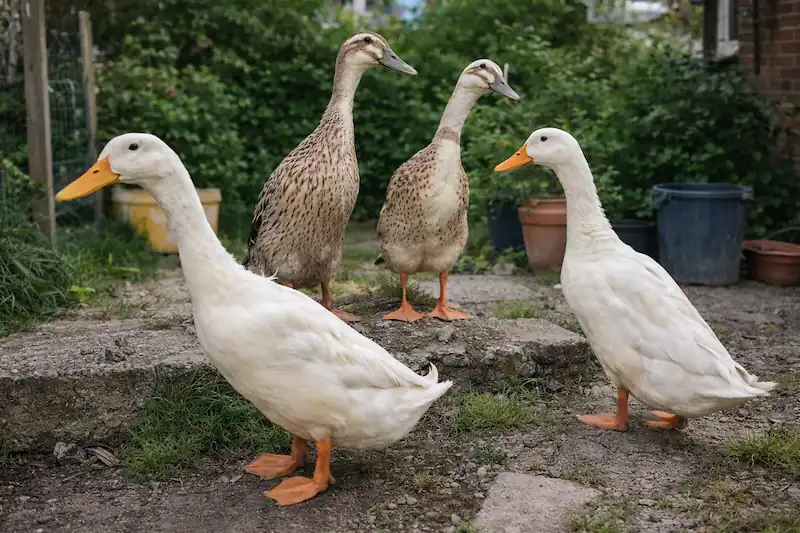
Indian Runner ducks are one of the best duck breeds for backyard keepers and homesteaders. They are famous for their upright, penguin-like posture, excellent egg production, and constant foraging. A healthy Indian Runner duck can lay around 200-300 eggs per year, making them one of the most productive laying duck breeds. They are friendly, active birds that rarely fly, usually don’t need a pond to thrive, and are excellent at controlling slugs, snails, and insects in the garden.
If you’re wondering whether Indian Runner ducks are good pets, the answer is yes. They are generally calm, social, and easy to manage once they become familiar with people. They can also live alongside chickens if both species have enough space and separate food and water. While they are more vocal than some duck breeds, they are usually quieter than many people expect and are rarely aggressive.
In this guide, I’ll explain everything you need to know about Indian Runner ducks, including their temperament, egg production, housing, feeding, breeding, health care, and whether they’re the right breed for your backyard or homestead.
Quick Facts About Indian Runner Ducks
Trait
Indian Runner Duck
Purpose
Eggs
Eggs/year
200–300
Egg color
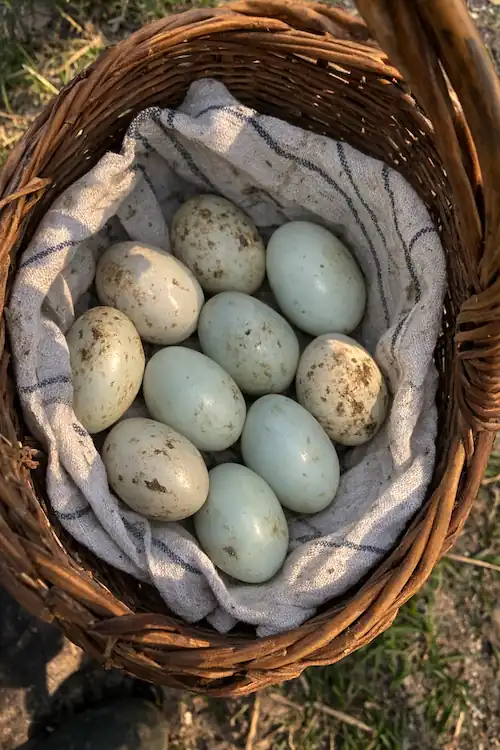
White, Blue, Green
Weight
3.5–4.5 lb
Lifespan
8–12 years
Temperament
Active & Friendly
Broody
Rarely
Flying
Very Poor
Best For
Homesteads & Gardens
Origin and Physical Characteristics
Indian Runner ducks are a very unique breed of domestic duck. They originally come from Southeast Asia, especially the Indonesian islands like Java, Bali, and Lombok. Farmers in that region kept them for eggs and for helping in the fields. Over time, they became famous around the world for their egg-laying ability and active nature.
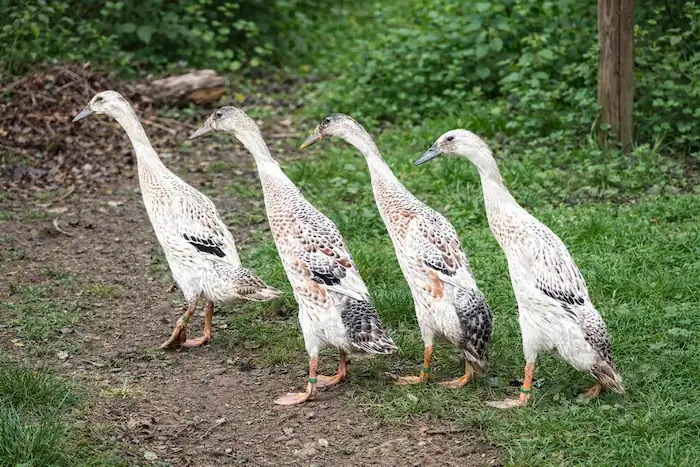
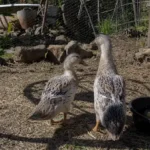
These ducks look very different from most other ducks. Instead of walking with a low body and a waddle, they stand almost straight up. Because of this tall posture, people often say they look like little penguins. Their bodies are slim and upright, and they usually run instead of waddling, which is how they got the name “Runner.”
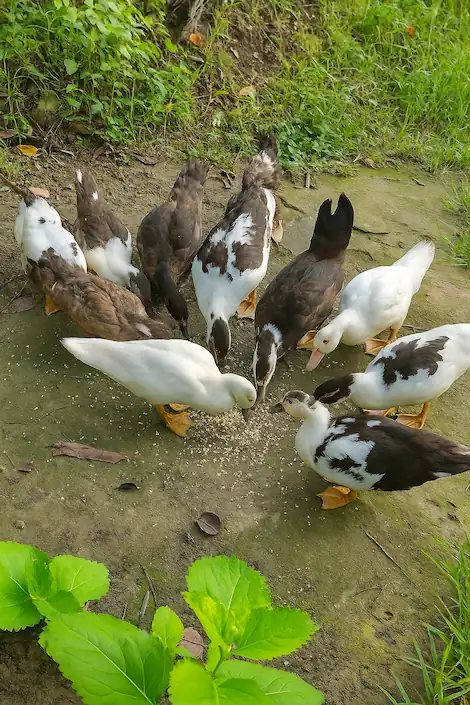
Indian Runner ducks also come in many colors and patterns. You can see them in white, black, brown, chocolate, or mixed shades. Their tall body, long neck, and lively movement make them easy to recognize in any flock.
Personality-wise, they are very active and curious birds. They love moving around and searching for food. Even though they are energetic, they are usually calm and friendly with people and other ducks.
Why Indian Runner Ducks Are the Perfect Addition to Your Homestead
If you are running a small homestead or even just a backyard garden, Indian Runner ducks can be a fantastic addition. I like keeping them because they are productive, helpful in the garden, and honestly very fun to watch.
One of the biggest reasons people keep Runner ducks is their egg production. A healthy duck can lay around 200 to 300 eggs a year, which is much higher than many other duck breeds. The eggs are slightly larger than chicken eggs and have a richer taste. I often use them in baking because they make cakes and pastries fluffier and richer.
Another thing I really appreciate about my Runner ducks is how well they control garden pests. They spend most of the day walking around the garden looking for food. Slugs, snails, insects, and larvae are basically snacks for them. Because of this natural pest control, I hardly need to use chemical pesticides in my garden anymore.
Their foraging habits also help the garden stay healthy. They move around constantly and search through the grass and soil for bugs. In the process, they help keep pest populations under control and even add natural fertilizer through their droppings.
Another big benefit I noticed after keeping Runner ducks is that they are much gentler on garden beds than chickens. Chickens love scratching and digging, which can destroy delicate plants. Runner ducks usually graze and walk between the rows instead of tearing up the soil. This makes them much safer for vegetable gardens.
On top of all these benefits, they also have a really calm and friendly personality. My ducks are active and curious but rarely aggressive. They are comfortable around people, which makes them suitable for family environments.
And honestly, their upright walk is just entertaining. Watching a group of Runner ducks marching across the yard like little penguins never gets old. They bring a lot of life and character to a homestead.
The Life Cycle: Breeding & Egg Laying in Indian Runner Ducks
Indian Runner ducks are well known for their excellent egg-laying ability. If you keep them mainly for eggs, they can be one of the most productive duck breeds you’ll find. From what I’ve seen, they start laying fairly early compared to many other ducks.
When Do Indian Runner Ducks Start Laying?
Most Indian Runner ducks begin laying eggs at around 4 to 6 months of age. The exact timing can vary depending on diet, health, and the time of year.
Daylight also plays a big role. Ducks lay more eggs when they get longer daylight hours, especially during spring and early summer. When days become shorter in winter, egg production often slows down.
How Many Eggs Do They Lay?
Indian Runner ducks are famous for their egg production. A healthy duck can lay around 200 to 300 eggs per year, and sometimes even more under good conditions.
However, a few things can affect how many eggs they produce:
Quality of diet
Stress or overcrowding
Age of the duck
Seasonal changes
Ducks that have good food, clean water, and plenty of space tend to lay more consistently.
Egg Collection and Storage
It’s a good idea to collect eggs daily. This keeps them clean and prevents them from cracking or getting dirty in the nesting area.
If an egg does get dirty, it can be gently washed with warm water right away, especially if you plan to eat it. Clean eggs last longer and are safer to store.
For freshness, eggs should be kept in a cool place or refrigerator. Fresh duck eggs can stay good for several weeks when stored properly.
Identifying Male and Female Ducks
When raising Indian Runner ducks, it’s useful to know how to tell males and females apart.
One method is vent sexing, which involves examining the duck’s vent area. This method is accurate but usually done by experienced breeders.
A simpler way is voice sexing. Female ducks make a loud quacking sound, while males usually have a softer and raspier voice.
For breeding, it’s best to keep a balanced ratio. A common setup is one male (drake) for every three to five females. This helps maintain healthy breeding without stressing the ducks.
Hatching Ducklings
If you want to raise ducklings, you can hatch eggs using an incubator. Incubators allow you to control temperature and humidity, which are important for successful hatching. Many people use them because Indian Runner ducks don’t always sit on their eggs.
Broodiness in Indian Runner Ducks
Unlike some other duck breeds, Indian Runner ducks rarely go broody. That means they usually don’t sit on eggs to hatch them. While this may seem like a disadvantage, it actually makes them excellent egg layers, because they keep producing eggs instead of stopping to hatch them.
Occasionally, a Runner duck may become broody. When this happens, she may stop laying and sit on a nest for long periods. Managing a broody duck can sometimes be challenging, especially if the goal is egg production rather than breeding.
Housing for Indian Runner Ducks
When setting up housing for Indian Runner ducks, the goal is simple: keep them safe, clean, and comfortable. From my experience, these ducks are very active, so giving them enough space and a healthy environment makes a big difference in their health and egg production.
Space and Ventilation
Indian Runner ducks don’t like being crowded. A good rule is to give about 4–6 square feet of space per duck inside the coop. When ducks are packed too tightly, they get stressed and the coop becomes dirty very quickly. This can lead to disease and feather problems.
Good airflow is also important. The coop should have proper ventilation, but it should not create strong drafts. Fresh air helps remove moisture and ammonia from droppings, which keeps the ducks’ respiratory system healthy.
I also try to keep the coop design simple and easy to clean. Smooth surfaces, removable bedding, and a slightly raised floor help a lot. The easier it is to clean, the healthier the ducks will stay.
Keeping Ducks Safe from Predators
Safety is a big part of housing for Indian Runner ducks. Ducks are vulnerable to predators like foxes, raccoons, and stray dogs. Because of that, strong doors and secure latches are very important.
Another helpful trick is using hardware cloth fencing instead of regular chicken wire. Some predators dig under fences, so many keepers bury the hardware cloth about 12–18 inches underground around the run. This makes it much harder for predators to get inside.
Choosing the Right Bedding
For bedding, simple materials work best. Most duck keepers use straw or pine shavings. These absorb moisture and keep the coop comfortable. Cedar shavings should be avoided because the strong smell can irritate ducks’ respiratory systems.
One tip I follow is to keep bedding clean and dry. Wet bedding can cause respiratory problems and attract parasites. Some people also use the deep litter method, where bedding is layered and slowly composts over time. This can reduce cleaning frequency and create natural warmth in colder months if managed properly.
Outdoor Space and Shelter
Indian Runner ducks are very active birds. They need plenty of outdoor space to walk, exercise, and forage for insects. The more room they have, the healthier and happier they tend to be.
Even though ducks enjoy water and being outdoors, they still need shade and shelter. In hot weather, shade protects them from overheating. In rainy or windy conditions, a covered area gives them a dry place to rest.
Good housing for Indian Runner ducks simply means balancing freedom with protection. With enough space, clean bedding, fresh water, and a secure coop, these energetic ducks can thrive on almost any homestead.
Nutrition & Feeding Essentials
Feeding ducks properly is one of the most important parts of raising a healthy flock. Indian Runner ducks are active birds, so they need a balanced diet to stay strong, grow well, and lay eggs regularly.
Feeding Ducklings
When ducks are very young, they need special feed made for growth. Duckling starter feed (non-medicated) is usually given from 0 to about 8 weeks of age. This feed contains the nutrients young ducks need for strong bones, healthy feathers, and steady growth.
It’s important that the starter feed is non-medicated. Medicated chicken feed often contains ingredients that ducks don’t tolerate well.
Feed for Growing Ducks
Once ducklings reach around 8 weeks, they can switch to grower feed. This feed supports their development until they reach about 20 weeks of age. During this time, ducks grow quickly and become more active, so they need enough protein and nutrients.
Feed for Laying Ducks
When ducks start laying eggs, they need layer feed. This feed is specially made for adult laying birds and contains extra calcium to support egg production. Some duck keepers also use non-medicated chicken layer feed, but it’s best to make sure ducks are still getting enough vitamins.
One thing I always try to remember is that a balanced diet is key. Ducks should always have access to proper waterfowl feed and clean water.
Why Ducks Need More Niacin
Ducks need more niacin (vitamin B3) than chickens. Niacin helps their bones and legs grow properly. Without enough of it, ducks can develop leg problems such as splayed leg or weak joints.
Because of this, many duck keepers add brewer’s yeast to their feed, especially for ducklings. Some commercial duck feeds already contain the right amount of niacin. There are also poultry vitamin or electrolyte supplements that can help during stress, illness, or recovery.
Healthy Treats (In Moderation)
Ducks enjoy treats, but they should only be given occasionally. Some safe treats include:
Peas
Corn (whole or cracked)
Leafy greens
Oats
Mealworms
I sometimes toss peas or greens into the run, and the ducks love chasing them around.
Foods to Avoid
Not all foods are safe for ducks. Some can actually harm them. Avoid feeding ducks:
Avocado
Chocolate
Sugary snacks
Processed human foods
Raw beans
Keeping treats natural and simple is usually the safest choice.
Why Ducks Need Grit
Ducks don’t have teeth, so they rely on their gizzard to grind food. For this reason, they need insoluble grit. These are small stones that help break down grains and other food inside their digestive system.
You can provide commercial poultry grit or allow ducks access to small sharp pebbles in their environment.
Fresh Water Is Essential
Water is just as important as food for ducks. They need plenty of fresh and clean water at all times. Water helps them swallow dry feed, digest food properly, and stay hydrated.
Large open trough waterers work well because ducks can dunk their heads. Some people use poultry nipple waterers, which keep water cleaner, but ducks still need water deep enough to rinse their bills and nostrils.
From my experience, when ducks have good feed, enough niacin, and constant access to clean water, they stay healthier and far more active. A well-fed flock is usually a happy flock.
Indian Runner Ducks for Sale: Where to Buy and What to Look For
Indian Runner ducks are one of the most widely available domestic duck breeds, making them relatively easy to purchase from commercial hatcheries, private breeders, and local poultry suppliers. Buyers can typically choose between hatching eggs, day-old ducklings, started juveniles, breeding pairs, or mature adult birds depending on their experience level and flock goals.
Buy from Reputable Hatcheries
For most beginners, established hatcheries are the safest option. Companies such as Metzer Farms, Meyer Hatchery, Murray McMurray Hatchery, and Stromberg’s regularly offer Indian Runner ducklings and can ship birds directly to customers in many regions. Hatcheries typically provide multiple color varieties, availability schedules, and health guarantees that private sellers may not offer.
Metzer Farms is particularly well known for its selection of Runner duck colors, including Black, Blue, Chocolate, Fawn & White, and Silver. Buyers can often purchase sexed females, males, or unsexed ducklings, which is useful for those planning an egg-producing flock. Metzer also offers hatching eggs and publishes seasonal availability calendars for different varieties.
Murray McMurray Hatchery offers both individual color varieties and mixed Runner Duck assortments. Their listings highlight the breed’s excellent foraging ability, upright posture, and reputation as a productive laying duck. Depending on the variety, buyers may find Black, Blue, Chocolate, Fawn & White, and Silver Runner ducklings available during the breeding season.
Consider Local Breeders for Exhibition Stock
If your goal is showing birds or developing a breeding program, local breeders are often a better choice than commercial hatcheries. Specialized breeders typically focus on exhibition-quality conformation, color purity, and breed-standard traits. Poultry associations, waterfowl clubs, farm swaps, and local agricultural events can help you locate reputable breeders in your area.
Buying locally also allows you to inspect the birds before purchase. Look for active ducks with bright eyes, clean nostrils, smooth feathers, and strong legs. Avoid birds that appear lethargic, underweight, or show signs of respiratory issues.
How Much Do Indian Runner Ducks Cost?
Prices vary based on age, sex, color variety, and breeder reputation. Day-old ducklings are generally the most affordable option, while started pullets, breeding trios, and exhibition-quality adults command significantly higher prices. Rare color varieties and proven breeding stock typically cost more than standard hatchery birds. Recent hatchery listings show that sexed female Runner ducklings often sell for substantially more than males or unsexed birds due to their egg-laying value.
Buying Hatching Eggs vs. Live Ducklings
Hatching eggs are usually less expensive to purchase and ship, but hatch rates can vary significantly depending on handling and shipping conditions. Day-old ducklings provide a higher success rate for beginners and eliminate the uncertainty associated with incubation. Started juveniles cost more but require less brooder management and can integrate into a flock sooner.
What Poultry Keepers Say
When I was sourcing Indian Runner ducks for my own flock, Metzer Farms and Murray McMurray Hatchery were among the names that came up most often in recommendations from backyard poultry communities. Many owners report healthy arrivals, accurate sexing, and responsive customer service when problems occur during transit. However, experienced keepers also note that shipping live birds always carries some risk, particularly during extreme weather or postal delays.
Keeping Your Ducks Healthy: Prevention, Recognition, and Care
Keeping ducks healthy is mostly about good care and paying attention to small changes. From my experience, ducks are quite hardy birds, but problems can happen if their environment, diet, or hygiene is not managed properly. The good thing is that many health issues can be prevented if you notice early signs and act quickly.
Common Health Problems in Ducks
Some health issues are more common than others, especially in young ducks.
Pasty Butt (in ducklings)
This mostly happens to baby ducks. It is when droppings stick around the vent and block it. Stress, wrong diet, or dehydration can cause it. If it happens, the area should be cleaned gently with warm water and dried carefully. Keeping ducklings warm and feeding them properly usually prevents this problem.
Angel Wing
Angel wing is a condition where a duck’s wing grows outward instead of lying flat against the body. It often happens when ducks grow too fast or eat a diet with too much protein and not enough balance. If it is noticed early, the wing can sometimes be corrected by gently wrapping or taping it in the correct position for a short period.
Bumblefoot
Bumblefoot is a foot infection caused by cuts, injuries, or constantly walking on hard and dirty surfaces. It usually appears as a swollen lump or sore on the foot. Keeping bedding clean and giving ducks soft ground to walk on helps prevent it. Minor cases can be cleaned and treated with antiseptic.
Respiratory Problems
Ducks can also develop breathing problems if their coop has poor ventilation or if bedding becomes dusty, wet, or moldy. Fresh air and clean bedding are very important to prevent respiratory infections.
Parasites and Infestations
Ducks can sometimes get parasites like lice, mites, or internal worms. Some signs to watch for include:
Weight loss
Low energy or lethargy
Damaged feathers
Constant scratching
Keeping the coop clean is one of the best ways to prevent infestations. Many duck keepers also provide dust bath areas so birds can clean their feathers naturally.
Some people use food-grade diatomaceous earth around the coop or in dust baths as a natural way to help control pests.
Basic First Aid for Ducks
Small injuries can happen, especially if ducks step on sharp objects or get into minor fights. Basic first aid usually involves:
Cleaning the wound gently
Applying a mild antiseptic
Keeping the injured duck in a quiet place until it heals
Sometimes I isolate an injured duck for a short time so it can rest without being bothered by the rest of the flock. Keeping a small animal first aid kit nearby can be very helpful for handling minor problems quickly.
When to See a Vet
Some symptoms should never be ignored. If a duck shows any of these signs, it is best to contact a veterinarian who has experience with birds:
Extreme tiredness that doesn’t improve
Severe limping or inability to walk
Trouble breathing
Unusual neurological behavior (such as loss of balance)
Severe or continuous diarrhea
Getting professional help early can save the duck’s life.
A Simple Way to Check Symptoms
A simple way to handle health concerns is to follow a basic decision path. For example:
If a duck looks very tired → check for dehydration, injury, or illness → give fresh water or electrolytes and observe closely.
If a duck is limping → check the feet for cuts or swelling → clean the foot and provide soft bedding.
If a duck has breathing problems → check ventilation and bedding → improve airflow and remove damp bedding.
Seasonal Care Considerations for Indian Runner Ducks
Indian Runner ducks are tough and adaptable birds, but their care needs change throughout the year. Weather, daylight, and natural food sources all affect their health and egg production. Making small adjustments in each season keeps the flock comfortable and productive. Their care needs tend to change throughout the year as the seasons shift.
Spring Care
Spring is often the most active time for Indian Runner ducks. As the days get longer, egg production usually increases. Ducks may also show stronger breeding behavior during this time, especially if there are drakes in the flock. Fresh grass, weeds, and insects also become available again, which ducks enjoy foraging.
During this season, it’s important to provide good layer feed with enough calcium to support heavy egg production. Nesting areas should be kept clean, dry, and comfortable because ducks will start laying more regularly. If you keep males and females together, keep an eye on the flock since drakes can sometimes become more aggressive during breeding season.
Spring weather can also change quickly, so ducks should always have shelter from rain and cold winds. Allowing supervised access to fresh greens in the garden can be a great natural treat for them.
Summer Care
Summer can be challenging for ducks because of the heat. Even though ducks enjoy water, extreme temperatures can cause heat stress. During hot weather, ducks will drink more water and spend more time trying to cool down.
Providing plenty of shade is very important. Trees, tarps, or simple shade covers can protect ducks from direct sunlight. Fresh, cool water should always be available, and I like to keep multiple water containers so the ducks never run out. On very hot days, adding a little ice to the water can help keep it cool.
Warm and damp conditions can also increase the risk of parasites and algae growth. Water containers should be cleaned frequently, and it’s a good idea to check ducks regularly for mites, lice, or feather damage.
Fall Care
Fall is usually when ducks start molting, which means they shed old feathers and grow new ones. During this time, egg production may slow down because the ducks are using more energy to regrow feathers.
Because of this, ducks benefit from extra protein in their diet during the molting period. This helps feathers grow back stronger and healthier. Fall is also a good time to prepare the coop for winter by fixing any weak spots and making sure the shelter can handle colder weather.
I also like to keep the bedding thick and dry during this season. Ducks often spend more time in the coop as temperatures drop. Giving them plenty of time to forage outdoors before winter also helps them stay active and healthy.
Winter Care
Winter care focuses mainly on protecting ducks from cold conditions. Ducks are fairly cold-hardy, but they still need proper shelter and dry resting areas. One of the biggest winter challenges is keeping their water from freezing.
Fresh water must always be available, so many duck keepers use heated waterers or de-icers. If those are not available, water should be changed several times a day so it doesn’t freeze.
The coop should also be protected from strong winds and extreme cold. Some people insulate the walls and floor to help keep warmth inside. The deep litter method, where bedding layers slowly build up, can also create natural warmth during winter.
Since natural food sources are limited in winter, ducks may need extra greens, grains, or hay to supplement their diet. It’s also important to check their feet regularly because very cold surfaces can sometimes lead to frostbite.
No. Indian Runner ducks do not need a pond to stay healthy. Unlike wild ducks, they only need constant access to clean water deep enough to dunk their bills and clean their nostrils. A small kiddie pool or shallow tub is enough for bathing and preening, although they will happily use a pond if one is available.
Indian Runner ducks are moderately noisy. Females make the familiar loud quacking sound, while drakes have a much quieter, raspy voice. They are usually less disruptive than many people expect and are well suited to most backyard and homestead settings.
Indian Runner ducks are poor fliers. Their upright body shape and relatively heavy build make sustained flight difficult. They may flap onto low obstacles or briefly become airborne, but they generally stay on the ground and are much less likely to fly away than lighter duck breeds.
Yes. Indian Runner ducks are generally friendly, curious, and active. While they may not enjoy being handled as much as some heavier breeds, they often become comfortable around people with regular interaction and can make excellent pets for families and homesteaders.
Yes, Indian Runner ducks can live with chickens if they have enough space and proper management. They should have separate feed because ducks require more niacin than chickens, and they also need water containers deep enough to rinse their bills without creating overly wet conditions inside the chicken coop.
David Carter, founder of Farmstead Guide, has over 20 years of hands-on homesteading experience. From raising poultry to practicing sustainable farming, he shares practical tips and insights to help others live a more self-sufficient lifestyle.