A bee sting is a defensive reaction that happens when a bee feels threatened. Using its stinger, the bee injects venom into the skin, which is what causes that sudden pain, redness, and swelling most people experience. According to MedlinePlus, this reaction is usually mild and temporary for most people.
How the Stinger Works
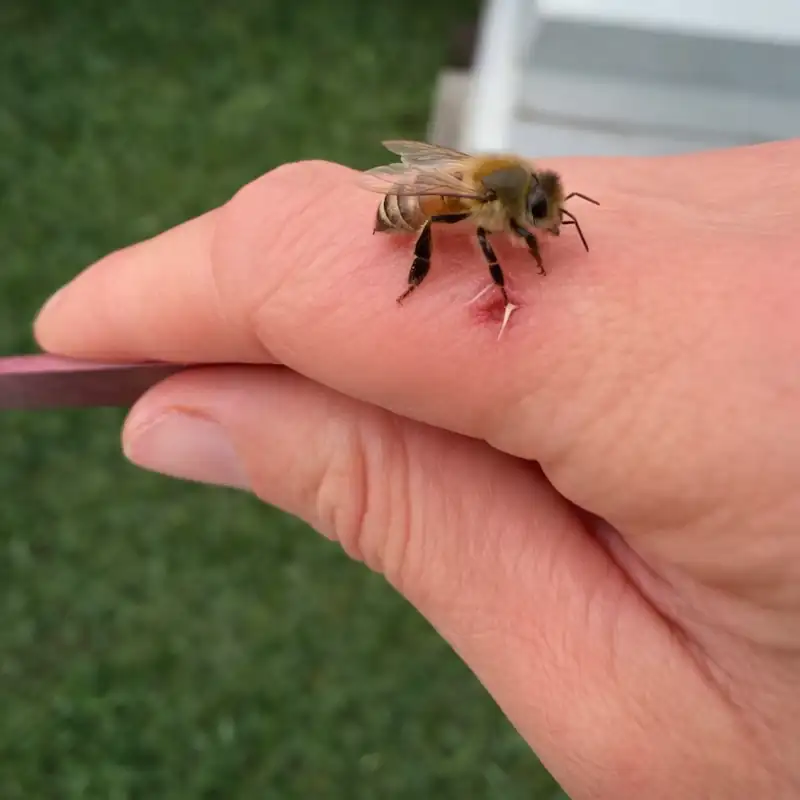
The stinger is a small, sharp structure at the end of a bee’s body. Honey bees have barbed stingers, which can get stuck in human skin, while other bees have smooth stingers and can sting multiple times. Once the stinger enters the skin, it releases venom almost immediately, triggering the body’s response.
What’s in Bee Venom
Bee venom contains natural chemicals such as melittin and phospholipase A2. These compounds irritate nerves and tissues, which is why stings hurt and swell. The Medscape explains that these chemicals are also responsible for allergic reactions in sensitive individuals.
After a sting, the body releases histamine, leading to inflammation, itching, and redness around the area. This is a normal immune response and usually fades within a few hours or days. Severe reactions are rare but can occur in people with bee venom allergies.
Why Do Bees Sting?
Bees don’t sting for no reason. Most of the time, they sting to protect themselves or their home. For social bees like honey bees and bumble bees, the hive or nest is everything, so they’ll defend it if they think it’s in danger. Bees may also sting if they feel trapped, stepped on, or suddenly threatened.
Several things can make a bee more likely to sting. Getting too close to a nest is the biggest trigger. Fast movements, swatting, or trying to brush a bee away can also make it feel as if it’s being attacked. Even things like bad weather or certain times of the year, when bees are more protective, can increase their defensiveness.
Different bees behave differently. Honey bees will sting to defend the colony, even though it costs them their life. Bumble bees are usually calm and only sting when they’re seriously bothered. Solitary bees are the most relaxed; they don’t have a hive to protect and almost never sting.
Discover the fascinating process of raising a queen bee in a honey bee colony. Knowing how colonies develop can help explain why worker bees defend their hive and may sting when protecting a queen.
Symptoms of a Bee Sting
Mild Local Reactions
These are the most common reactions after a bee sting:
Sharp, burning pain right away
Redness and swelling around the sting spot
Itching
Small raised bump or welt at the site Most mild symptoms usually go away within a few hours to a couple of days.
Moderate Reactions
Sometimes the reaction is stronger and lasts longer:
Larger swelling around the sting site
Pain and itching that may continue for a few days
Redness that spreads beyond the sting area This can take several days to fully fade.
Severe Allergic Reaction (Anaphylaxis)
A small number of people have a serious allergic reaction that needs immediate medical help. Signs can include:
Trouble breathing, wheezing or tightness in chest
Swelling of the face, lips, throat, or tongue
Hives or rash on large areas of the body
Rapid heartbeat, dizziness, or fainting
Nausea, vomiting, or diarrhea
Feeling a sense of impending doom
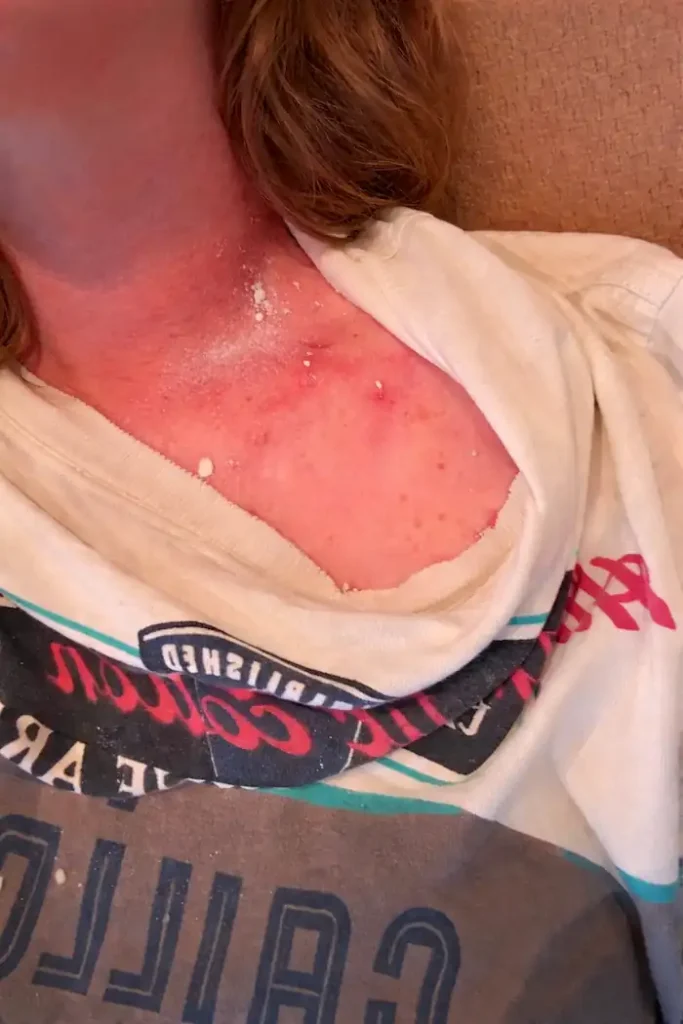
Severe bee stings causing redness and swelling on the neck area.
These symptoms can appear within minutes to an hour and require urgent care (e.g., calling emergency services).
Bee vs. Wasp vs. Hornet
Bees, wasps, and hornets may look similar but they behave very differently. Bees are usually fuzzy, rounder and have thicker legs that often carry pollen. Wasps and hornets are smoother, slimmer, and more pinched at the waist, with long, thin legs.
Behavior is another key clue. Bees mainly visit flowers for nectar and pollen and are generally calm. Wasps and hornets are scavengers and hunters, making them more aggressive around food and people. Unlike bees, wasps and hornets sting more than once.
Their nesting habits also differ. Bees live in hives, underground nests, or wood, depending on the species. Wasps and hornets build paper-like or mud nests, often above ground or underground.
Types of Bees That Sting (And How to Recognize Them)
Not all bees sting, and even the ones that can sting usually don’t unless they feel threatened. USDA research shows that most bee stings in humans are attributable to a limited number of common bee species. Let’s discuss the most common ones.
Honey Bees
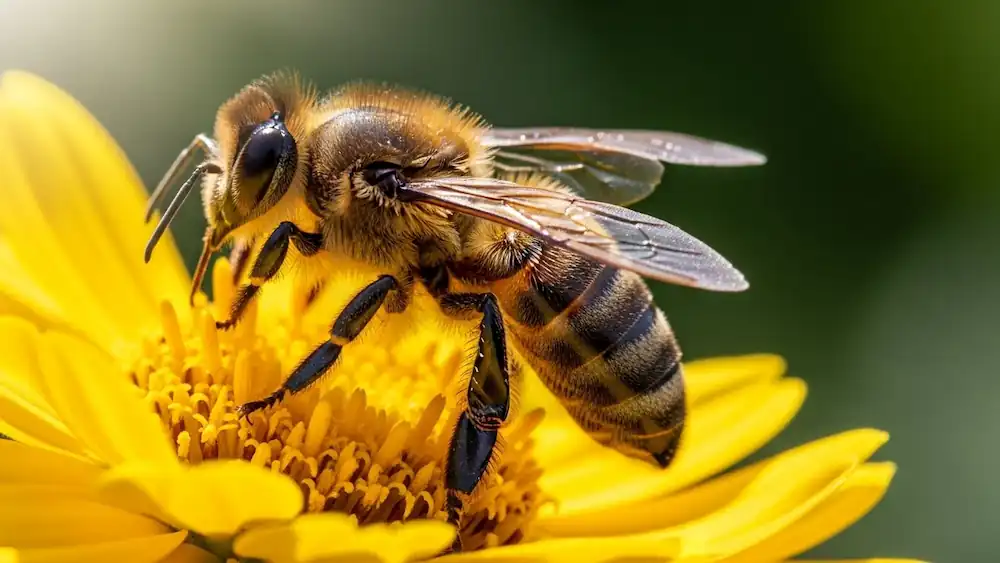
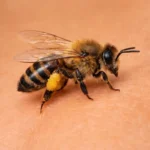
Honey bees are the most familiar stinging bees. They’re fuzzy with golden-brown and black stripes and often have pollen packed onto their back legs. Honey bees live in large hives and are very protective of them. Their stingers are barbed, which means they get stuck in the skin, and the bee immediately dies after stinging. This usually happens only when the hive is disturbed.
Honey bees are highly social, living in large colonies where each bee has its specific role. Understanding the lifecycle of bees can help explain why workers defend the hive and why stinging behavior is more common in certain seasons.
If bees are causing issues, you can safely remove them and get rid of them. Proper handling minimizes the risk of bee stings while keeping these important pollinators protected. You can also go for moving bee hives with our safe methods. Proper relocation reduces stress on the bees, which can decrease defensive stinging during the move.
Bumble Bees
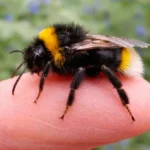
Bumble bees are larger, fuzzy bees commonly seen in gardens. Like honey bees, only the female workers and queens have stingers.
Stinging behavior: These bees are generally calm and less aggressive than honey bees. Bumble bees usually sting only if they are directly threatened or their nest is disturbed.
Stinger type: Their stinger is smooth, which allows them to sting multiple times without harming themselves.
Because bumble bees often nest underground or in dense vegetation, accidental encounters can sometimes lead to defensive stings, but this is uncommon.
Carpenter Bees
Carpenter bees look exactly like bumble bees but have a shiny, black abdomen. They are solitary insects rather than social, which means they do not defend a colony or store honey. Only female carpenter bees have stingers, while males cannot sting.
Even females rarely sting and do so only if handled roughly or trapped. Carpenter bees are considered low-risk for humans, making them mostly safe to observe or coexist with.
Sweat Bees (Family Halictidae)
Sweat bees are small bees, often metallic green, blue, or black, and are attracted to human sweat because of the salts. Female sweat bees can sting, but their stings are mild and usually occur only if the bee is accidentally pressed against skin. Male sweat bees do not have stingers. Overall, these bees are docile and rarely cause harm, making them more of a curiosity than a threat.
Different bee species have varying lifespans, which can affect how often they sting. For example, learning how long bees live in the wild provides insight into the roles of worker bees and queens, as well as their defensive behaviors.
Other Solitary Bees (Mason, Leafcutter, Digger Bees)
Many solitary bees, such as mason bees, leafcutter bees, and digger bees, have stingers, but they almost never use them against humans. Solitary bees do not defend a hive, which means they have little reason to sting.
Even when they can sting, their behavior is gentle, and stings are rare, mild, and usually happen only if the bee is handled roughly or trapped. These species are excellent pollinators and contribute greatly to gardens and crops without posing a significant threat.
Mining bees dig burrows in soil and don’t defend large colonies, so they are rarely inclined to sting. They’re considered very docile and seldom interact aggressively with humans.
Plasterer bees are another group of solitary bees that rarely sting. Like other docile types, they focus on pollination and don’t defend social colonies.
Bees That Can’t Sting
Male Bees (All Species)
All male bees, often called drones, do not have stingers at all because the stinger is a modified egg-laying organ that only females have. This means male honey bees, bumble bees, orchard bees, mining bees, and most others are harmless and cannot sting humans.
Stingless Bees (Meliponini Tribe)
There’s an entire group of bees known as stingless bees, especially common in tropical and subtropical regions. Although they technically have a vestigial stinger, it’s so reduced that it doesn’t function for defense; they can’t use it to sting people. Instead, some bite or use other methods to defend their nest.
Examples include:
Melipona beecheii (Beeche’s stingless bee)
Tetragonula spp. (Small stingless bees often kept by beekeepers)
Scaptotrigona spp. and many more species within the Meliponidae group.
Immediate First Aid for Bee Stings
Getting stung by a bee can be irritating but most stings are manageable at home if you act quickly. If a honey bee leaves its stinger behind, remove it right away using your fingernail, the edge of a credit card, or a small sting remover. Avoid squeezing it, as that can push more venom into your skin.
After removing the stinger, wash the area gently with soap and water. and apply an antiseptic if you have one to help prevent infection. To reduce swelling and pain, hold a cold pack or wrapped ice against the sting for a few minutes. Over-the-counter painkillers, such as acetaminophen, can help relieve discomfort, and applying an antihistamine or hydrocortisone cream can help calm itching and redness.
Keep an eye on how your body responds after the sting. Mild reactions usually go away within a few hours or a couple of days. But if you notice severe symptoms, such as trouble breathing, swelling of your face or throat, dizziness, widespread hives or a racing heartbeat, seek medical help immediately. These home treatments are only for minor stings; any serious allergic reaction needs professional attention right away.
Respecting Bees While Staying Safe
Bees are an important part of our world, and learning to identify them correctly, especially distinguishing bees from wasps is the first step to staying safe. Understanding how different bees sting, what reactions to expect, and when to seek medical help can prevent unnecessary panic. Simple precautions, like avoiding sudden movements around hives and knowing basic first aid, go a long way toward keeping both you and the bees safe.
Beyond safety, it’s important to remember that bees are vital pollinators. They support gardens, crops and entire ecosystems. When we give bees their space and pay attention to how they behave, we can live alongside them safely and calmly. Small actions, such as giving bees room and sharing knowledge with others, help protect both humans and these essential insects.
It’s also good to prepare the perfect sugar water for your honey bees. Understanding proper feeding can keep your bees healthy and calm, reducing stress that sometimes leads to defensive stinging behavior.
Being informed gives me the confidence to enjoy the outdoors while also helping with conservation efforts. Whether I’m in my backyard or out at a park, approaching bees with care and respect creates a safer, cooler environment for everyone.
David Carter, founder of Farmstead Guide, has over 20 years of hands-on homesteading experience. From raising poultry to practicing sustainable farming, he shares practical tips and insights to help others live a more self-sufficient lifestyle.