Plants Toxic to Goats
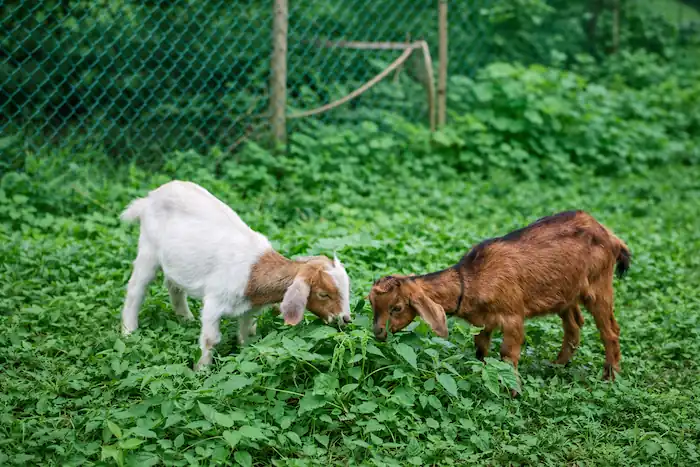
Goats love to browse, but not every plant they nibble on is safe. Some common plants found in pastures, fence lines, or even backyards can make goats seriously sick or worse without any warning.
The tricky part isn’t just knowing that toxic plants exist, but being able to recognize them, understand the risks, and act fast if something goes wrong. This guide makes it easy by showing you how to identify dangerous plants, prevent exposure, and handle emergencies with confidence.
Why Do Goats Eat Toxic Plants
Goats are curious by nature. They like to sample new plants just to see what’s edible. Most of the time, this works in their favor, but curiosity alone can sometimes get them into trouble. Hunger is another big factor. When good forage is limited, goats may start eating plants they would normally ignore, including toxic ones.
Boredom also plays a role. Goats kept in small, overgrazed, or fenced-in areas often nibble out of frustration rather than hunger. Seasonal changes can make things worse, too. Some plants become more palatable or more toxic at certain times of the year, catching goat owners off guard.
Goats that are bored or under-stimulated are more likely to explore and nibble on toxic plants, so providing fun and safe goat enrichment can help keep them occupied and out of harm’s way.
Nutritional deficiencies can also push goats toward bad choices. If they’re lacking key minerals or nutrients, they may try to compensate by eating unusual plants, even harmful ones. Accessibility matters too. Toxic plants growing along fence lines or poking through broken fencing are easy targets for curious mouths.
Do Goats Know What’s Bad for Them?
A common myth is that goats instinctively know which plants are poisonous. According to Dr. Debra Taylor, DVM (Goat & Small Ruminant Veterinarian):
“Goats are naturally curious browsers. While they often avoid highly noxious plants, factors like extreme hunger or lack of desirable forage can override their instincts, leading them to consume toxic vegetation.”
In short, goats don’t always recognize danger. Taste and availability often matter more than toxicity. If a plant is easy to reach and there’s nothing better to eat, a goat may take the risk.
A well-planned goat shelter not only keeps your herd safe from the elements but also helps prevent them from wandering into areas with dangerous plants.
What Happens If Goats Eat Toxic Plants?
If goats eat poisonous plants, it can severely affect their health and metabolism. The effects can range from mild stomach upset to serious organ damage or even death, depending on the plant and the amount eaten. Repeated exposure to smaller doses can also cause long-term health problems that aren’t always obvious at first. On top of that, veterinary treatment can be costly and stressful.
Understanding why goats eat toxic plants is the first step toward preventing it and keeping your herd safe, healthy, and out of harm’s way.
Signs of Plant Poisoning in Goats
When a goat eats a toxic plant, symptoms can show up quickly or slowly over several hours. Acting fast can prevent serious damage and may even save your goat’s life.
Digestive Warning Signs
Most poisonings affect the stomach first. The affected goats can become victims of the following problems.
- Diarrhea, which may be severe, bloody, or very dark
- Loss of appetite or refusing feed
- Bloated belly or signs of stomach pain
- Excessive drooling or foaming at the mouth
- Vomiting or regurgitation (rare in goats, but a red flag if you see it)
- Constipation in some cases
Nervous System Symptoms
Some toxic plants interfere with the nervous system, leading to noticeable changes in movement and behavior. Affected goats may show muscle twitching or shaking, appear weak, or struggle to walk normally. In more serious cases, seizures, convulsions, or sudden blindness can occur.
You might also notice extreme tiredness, depression, or the opposite, unusual excitement, restlessness, or aggression. Behaviors like pressing the head against walls, walking in circles, collapsing, or even slipping into a coma are strong warning signs that immediate veterinary care is needed.
Breathing Problems
Poisoning can also affect the respiratory system of your goat, making breathing difficult or abnormal. Watch for fast, shallow, or labored breathing, as well as coughing or sneezing that wasn’t present before. Nasal discharge or a runny nose may appear, and in severe cases, goats may gasp for air. Any sudden change in breathing should be treated as an emergency and addressed right away.
Heart and Circulation Issues
Some toxins affect the heart and blood flow, leading to:
- Irregular or rapid heartbeat
- Sudden weakness or collapse
- Pale or bluish gums and lips
Urination Changes
Poisoning can also affect the kidneys:
- Urinating much more or much less than usual
- Blood in the urine
Skin and Mouth Changes
Some toxic plants cause obvious changes to a goat’s skin and mouth. These may include sunburn-like sores on light-colored skin, yellowing of the eyes or gums that can signal liver trouble, and swelling around the face, ears, or legs. Any of these signs should be taken seriously and checked by a veterinarian.
You should always understand your goat’s behavior so you can tell the difference between healthy plants and those that are poisonous.
10 Most Toxic Plants for Goats
Goats love to browse, nibble, and explore their surroundings. While this is part of their natural behavior, it also puts them at risk of eating plants that can be harmful or even deadly. Many common garden plants, trees, and wild weeds are toxic to goats. Some can cause serious illness within hours.
I have compiled a list of the poisonous plants, most of which are cross-checked from agricultural universities and livestock extension services. This is not a complete list, but it covers the most common and high-risk toxic plants you, as a goat owner, should be aware of.
1. Oleander (Nerium oleander)
Oleander is an evergreen shrub often planted for decoration. It has long, narrow green leaves and produces clusters of pink, red, or white flowers. While it may look harmless, oleander is one of the most dangerous plants for goats.
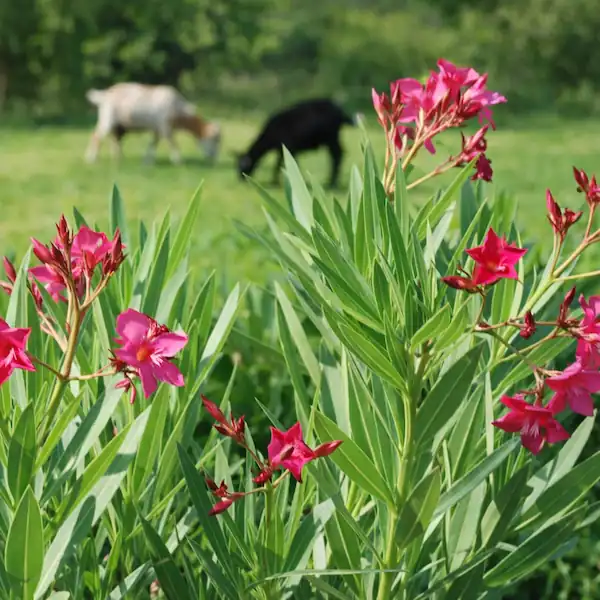
All parts of the plant are toxic, even dried leaves. If a goat eats oleander, it can cause severe heart problems, diarrhea, vomiting, weakness, and sudden death. Because of how potent it is, oleander poisoning is often fatal, even in small amounts. It is commonly found in warm climates and landscaped areas.
2. Rhododendron and Azalea (Rhododendron spp.)
Rhododendrons and azaleas are popular ornamental shrubs with thick, leathery leaves and colorful bell-shaped flowers. Unfortunately, every part of these plants is toxic to goats.
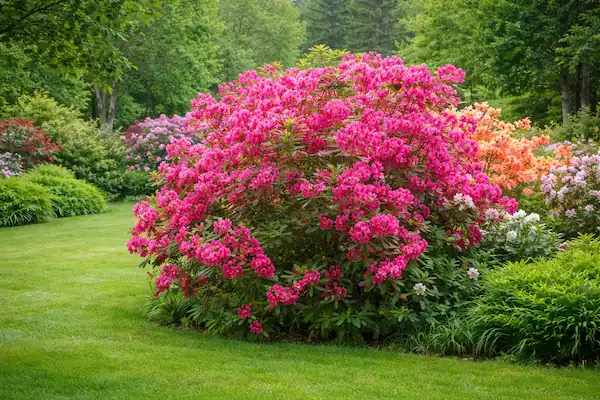
When eaten, they can cause drooling, vomiting, diarrhea, weakness, staggering, seizures, coma, and death. Toxicity ranges from severe to fatal, depending on the amount consumed. These plants are commonly found in gardens and wooded areas, especially in the eastern and northwestern regions.
3. Lantana (Lantana camara)
Lantana is a shrubby plant with rough, textured leaves and small flowers that grow in bright, multi-colored clusters. Goats are usually poisoned by eating the leaves or unripe berries.
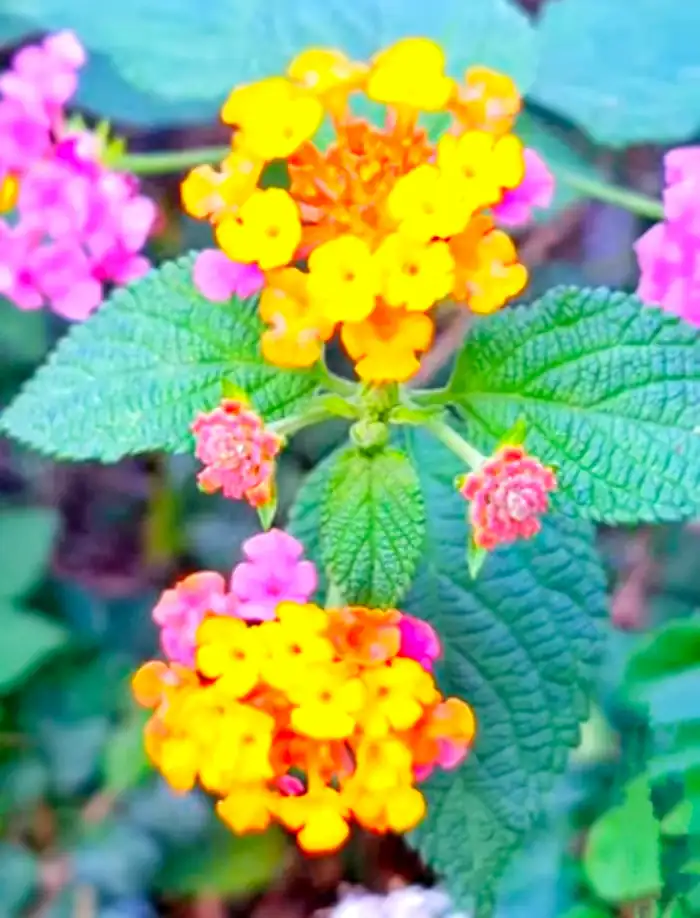
Lantana affects the liver and can make goats sensitive to sunlight, leading to skin damage. Other symptoms include jaundice, weakness, constipation, and lethargy. Toxicity can be moderate to severe, and the plant is commonly found in warm regions and invasive landscapes.
4. Cherry, Plum, and Peach Trees (Prunus spp.)
Trees from the Prunus family are especially dangerous when leaves are wilted or damaged, such as after storms or frost. These trees have shiny green leaves, white or pink blossoms, and stone fruits.
Wilted leaves, seeds, and bark contain compounds that release cyanide when eaten. Poisoning happens quickly and causes rapid breathing, muscle tremors, bright red gums, staggering, seizures, and often death. This plant group poses a severe to fatal risk and is widespread in many regions.
5. Oak Trees (Quercus spp.)
Oak trees are very common, and goats may be tempted to eat young leaves, buds, or acorns. While minor amounts may not cause immediate harm, repeated or heavy consumption is dangerous.
Oak toxicity can lead to kidney damage, dark urine, dehydration, constipation, diarrhea, and overall weakness. The toxicity level is moderate to severe, and the risk is highest in spring and fall when leaves and acorns are plentiful.
6. Castor Bean (Ricinus communis)
Castor bean plants have large, palmate leaves and spiny seed pods. The seeds contain ricin, one of the most toxic natural substances known.
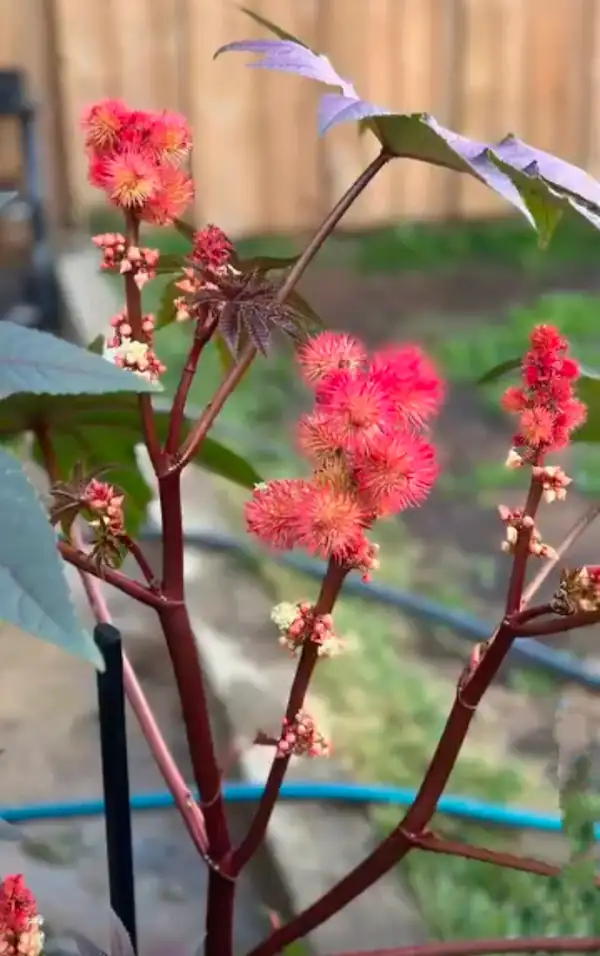
Ingesting even a few seeds can cause severe abdominal pain, bloody diarrhea, dehydration, weakness, and death. This plant is considered extremely dangerous and often fatal. It is sometimes grown as an ornamental plant in warm climates.
7. Nightshade Species (Solanum spp.)
Nightshade plants vary in appearance, but many have dark berries and spreading growth habits. The berries, especially when unripe are the most dangerous part, though leaves and stems are also toxic.
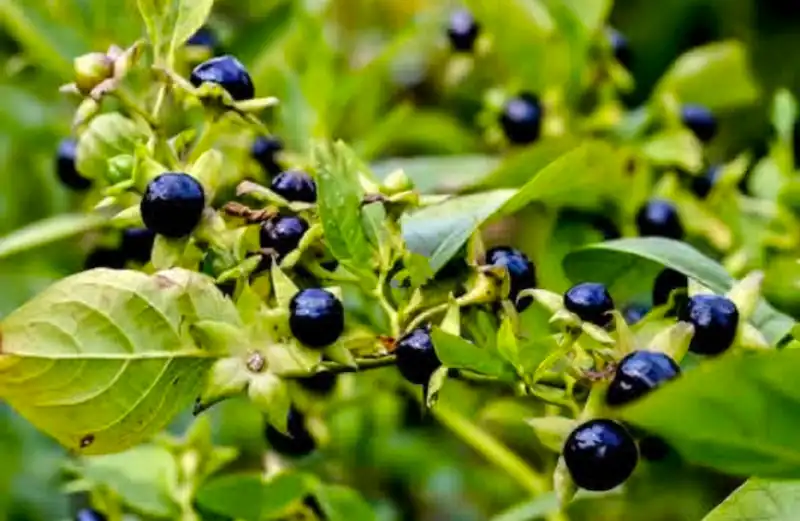
Symptoms include digestive upset, tremors, loss of coordination, dilated pupils, confusion, coma, and death. Toxicity ranges from moderate to fatal, and nightshade species are found widely in fields, gardens, and roadsides.
8. Bracken Fern (Pteridium aquilinum)
Bracken fern is a large, coarse fern commonly found in pastures, forests, and disturbed land. All parts of the Bracken are toxic, especially young fronds.
Poisoning usually occurs with long-term consumption rather than a single bite. Over time, goats may develop anemia, weight loss, weakened immune function, and bleeding problems. The toxicity level is considered moderate, but chronic exposure can be serious.
9. Yellow Jessamine (Gelsemium sempervirens)
Yellow jessamine is a climbing vine with shiny evergreen leaves and fragrant yellow flowers. Every part of this plant is toxic to goats.
Eating it can cause muscle weakness, paralysis, breathing difficulties, seizures, and death. Toxicity is severe to fatal, and the plant is most commonly found in the southeastern United States.
10. Jimsonweed / Datura (Datura stramonium)
Jimsonweed is a dangerously fast-growing weed with large leaves, trumpet-shaped purple or white flowers, and spiny seed pods. Every part is toxic, especially the seeds, which can be deadly.
If goats eat jimsonweed, the consequences can be immediate and severe: dilated pupils, dry mouth, rapid heartbeat, restlessness, lack of coordination, seizures, coma, and death can quickly occur. Toxicity is often fatal. Jimsonweed is widespread in disturbed soil and pastures, so vigilance is essential.
10 More Toxic Plants That Can Harm Your Goats
- Avocado: All parts of the avocado plant can be toxic to goats and may cause digestive and nervous system problems.
- Buttercups: Buttercups contain compounds that blister the mouth and irritate the digestive tract if eaten in large amounts.
- Foxglove (Digitalis spp.): This ornamental plant contains heart‑affecting toxins that can cause cardiac distress or death.
- Poison Hemlock (Conium maculatum): All parts of this plant are highly toxic and can lead to nervous system failure and death.
- Milkweed: Milkweed plants contain toxic compounds that can cause heart and respiratory problems in goats.
- Horse Nettle (Solanum carolinense): Similar to other nightshades, horse nettle’s leaves and berries can cause GI upset and nervous signs.
- Lupines: Many lupine species contain alkaloids that can harm the nervous system or cause birth defects in pregnant goats.
- Boxwood (Buxus spp.): Boxwood shrubs contain toxins that can upset the stomach and nervous system if eaten.
- St. John’s Wort: This plant can cause photosensitivity and skin problems when goats eat it.
- Pokeweed (Phytolacca americana): All parts of pokeweed are poisonous and can lead to severe gastrointestinal and systemic illness.
Plants That Are Easy to Confuse
Some toxic plants closely resemble safe ones, making accidental exposure more likely. Common examples include wild cherry being confused with elm, poison hemlock mistaken for wild carrot or Queen Anne’s lace, and nightshade berries confused with serviceberries.
When identifying plants, focus on leaf shape, stem texture, flower structure, berry color and growth habit. Small details like purple blotches on a stem or hairy leaves can help you a lot in its identification.
If you’re ever unsure whether a plant is safe, don’t let your goats eat it. When in doubt, block access and seek help from a local agricultural extension office, university plant guide, or experienced veterinarian.
Preventing access to toxic plants is always easier and safer than treating poisoning later.
What to Do When Poisoning Strikes?
When a goat eats a toxic plant, acting fast can save its life. Stay calm, move the goat away from the plant, and collect a sample if it’s safe. This helps your vet identify the toxin. Call your nearby veterinarian immediately and describe the symptoms, the suspected plant, and any other relevant details.
While waiting for help, keep your goat comfortable with fresh water. Monitor its breathing, heart rate, and temperature. Do not try home remedies or induce vomiting unless your vet instructs you. Use activated charcoal only with veterinary guidance.
Providing a balanced goat diet with all the necessary nutrients is essential for their health. It also helps prevent goats from turning to poisonous plants out of hunger or nutritional need.