How Often Do Ducks Lay Eggs?
If you’ve ever kept ducks, you probably noticed their egg-laying can be unpredictable. Some weeks you get plenty of eggs, and other weeks it feels like the nest is empty.
I have noted throughout my journey that egg production isn’t random. Things like the breed, the time of year, how you feed them, their age, and even how comfortable or stressed they feel all affect how often they lay. Even small changes in care can make a noticeable difference.
Once you understand these patterns, taking care of your ducks becomes much easier. You can spot problems sooner and make adjustments when needed. Above all, you can then create an environment where your ducks are happy and healthy. And when ducks feel safe and well cared for, they’ll keep producing those tasty eggs you’re after.
How Often Do Ducks Usually Lay Eggs?
Most healthy domestic ducks don’t lay an egg every single day. On average, good laying breeds produce an egg every 1 to 2 days. If you’re used to chickens that lay almost daily, ducks might feel a bit slower but their eggs make up for it by being bigger, creamier, and richer in flavor.
According to findings published in the World’s Poultry Science Journal by Cambridge University Press, most domestic laying ducks follow a steady rhythm of producing an egg every one to two days under normal management and healthy conditions. And their bodies take a little longer between eggs compared to high-production chickens.
It’s also important to remember that this is an average, not a rule. No two ducks lay exactly the same way. Some will surprise you with near-daily eggs, while others take their time. Factors like weather, daylight hours, diet, age and stress can all cause ups and downs.
Once you accept that egg production naturally fluctuates, keeping ducks becomes a lot more enjoyable. Instead of worrying about missing eggs, you start noticing patterns and that’s when duck keeping really starts to make sense.
Factors That Affect How Often Ducks Lay Eggs
Ducks don’t lay eggs on a strict schedule. A lot of things influence how often they lay, and once you understand these, their egg patterns make much more sense.
Duck Breed Matters
Some ducks are born layers. Others… not so much. Most homesteaders, when they start keeping ducks for the first time, have the exact same expectations as they do for chickens. They assume their ducks would all lay about the same. That turned out to be completely wrong. Some breeds are built for egg production, while others are not.
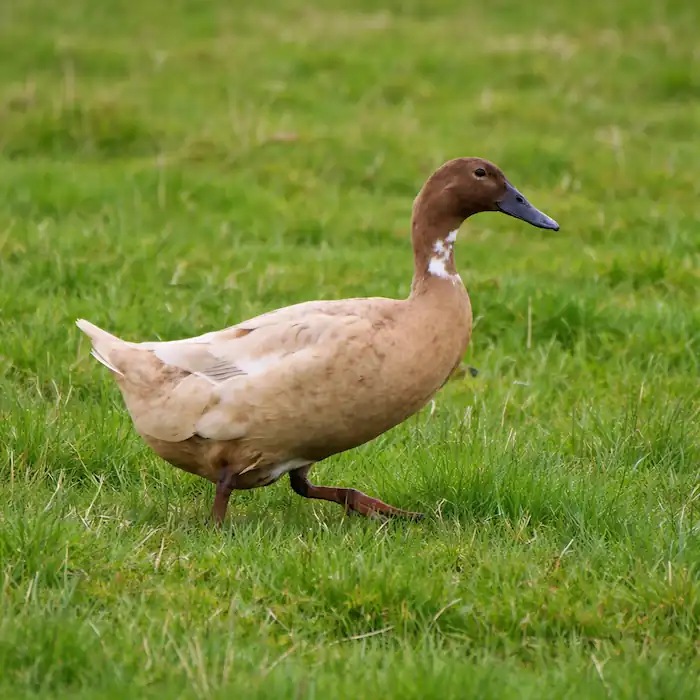
Laying breeds tend to produce more often because they were selectively bred for that purpose. Meat breeds put their energy into size and weight instead of eggs. And dual-purpose ducks fall somewhere in between. When my Khaki Campbell started laying almost daily, but my heavier ducks didn’t, the difference finally made sense.
Age of the Duck
Ducks don’t stay consistently over their lifetime. Most ducks begin laying around 5 to 7 months old, and that first phase is usually the most productive. In my own flock, the strongest egg output always came during the first couple of years. As ducks age, they still lay, but the gaps between eggs slowly grow. It feels less like a problem once you realize it is simply part of the natural cycle.
Nutrition and Diet Quality
Good food equals good eggs. Laying ducks need a balanced diet with enough protein, vitamins, and minerals. A layer feed with 16–18% protein works well for most ducks.
Calcium is especially important. It helps with strong shells and consistent laying. Ducks that don’t get enough calcium often slow down or lay soft-shelled eggs.
For a complete understanding of a duck’s daily nutrition, our guide on what ducks eat explains their natural feeding habits and the foods that keep them healthy year-round.
Need of Grit
Ducks also need grit. Ducks rely on grit to properly digest food, especially when they eat grains or forage.
Without grit, nutrients are not absorbed well, and egg laying can suffer even if the diet looks fine on paper. If you add grit regularly, your ducks will experience improved digestion that will lead to consistent egg production.
Light Exposure (Daylight Hours)
Ducks are very sensitive to light. When the days get longer, their bodies get the signal to start laying more eggs. Shorter days naturally slow them down, which is why you often see fewer eggs in winter.
Some folks use extra lights to keep ducks laying, but you have to be careful. Ducks still need rest, and pushing them too much can stress them out or affect their health.
Seasonal Changes
Spring always brings eggs back. Every year, without fail. Winter brings fewer eggs, sometimes none at all, especially in colder weather. That shift is natural.
Ducks adjust their energy use with the seasons, and egg laying rises again as daylight increases. Once I stopped fighting the seasons, duck keeping became far less stressful.
Overall Health and Wellness
When ducks stop laying without an obvious reason, it’s usually worth checking their health before assuming anything else. One of the first signs that something is wrong is a sudden drop in egg production.
I’ve seen this happen with minor illness, parasites or even discomfort from wet bedding. Healthy ducks lay better. Watching daily behavior helps catch problems early.
Stress Levels
Stress can stop egg laying almost instantly. Predators, loud noises, overcrowding, or frequent changes in their environment can all cause stress. So can bullying or suddenly adding new ducks to the flock. New ducks should always be introduced slowly. A calm flock is far more likely to keep laying.
Environment and Daily Care
Clean spaces matter. Dirty coops and nesting areas discourage ducks from laying. Fresh, clean water is just as important. Ducks need water not only to drink, but also to clean their bills and help with digestion.
Good feeders and waterers designed for ducks help keep food and water clean, and that directly supports egg production.
How Often Do Ducks Lay Unfertilized Eggs
Ducks lay unfertilized eggs just as often as fertilized ones. A female duck does not need a male to lay eggs. If there’s no drake around, she will still lay eggs on her normal schedule. The only difference is that the eggs cannot hatch.
For most domestic ducks, that means:
- Every 1–2 days for good laying breeds
- Every 2–3 days for moderate or heavier breeds
The laying frequency depends on the same factors either way, such as breed, age, daylight, diet, season, and stress. Fertilization only affects whether the egg can develop into a duckling, not how often the egg is laid.
How Different Duck Breeds Lay Eggs
Not all ducks lay the same, and once you keep more than one breed, this becomes very obvious. Some ducks seem to fill the egg basket nonstop, while others lay on their own relaxed schedule. Breed plays a huge role in how often ducks lay, how big the eggs are, and even what color those shells turn out to be.
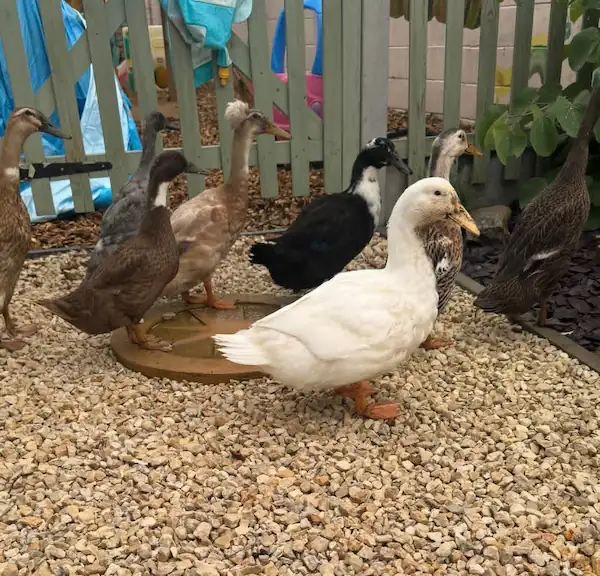
1. Pekin Ducks
Pekin ducks are known for their meat-producing abilities. But their egg size can surprise you. They usually lay every 1 to 2 days, and the eggs are large to jumbo with bright white shells.
In my flock, Pekins were never the top producers, but when they laid, the eggs felt substantial and rich. Their calm nature and rapid growth make them easy to manage, especially for beginners seeking low-stress birds.
2. Khaki Campbell Ducks
If egg numbers matter most, Khaki Campbells are hard to beat. Many lay almost daily and can easily exceed 250 eggs a year. Their eggs are medium to large with white shells.
These ducks are active and always on the move, which I noticed helped keep laying consistently. They can be a little nervous, but when well cared for, they’re among the most reliable layers you’ll find.
3. Indian Runner Ducks
Indian Runners have a unique upright stance and an even more unique personality. They often lay close to daily, though production varies by line. Their eggs are medium to large and usually white or cream. They go broody very rarely, which helps maintain steady egg output. They’re excellent foragers and thrive when given space to roam.
4. Welsh Harlequin Ducks
Welsh Harlequins are a favorite for balanced backyard flocks. They typically lay every 1 to 2 days and produce large eggs in white, cream, or light blue shades. These ducks are calm, cold-hardy, and easy to handle. In colder months, they held their laying rhythm better than many other breeds.
5. Cayuga Ducks
Cayugas don’t lay as often, usually producing eggs every 2 to 3 days, but their eggs are visually striking. Early in the season, the shells can be almost black before gradually fading to gray or white. Though they lay larger eggs, they do so slowly. Their beautiful iridescent feathers make them stand out in any flock.
6. Muscovy Ducks
Muscovy ducks lay eggs on their own schedule. Instead of regular laying, they often produce eggs in clutches, which makes production feel unpredictable. Annual totals are lower, but the eggs are large and rich. They’re quiet birds and excellent mothers, and I found them especially useful for pest control. If you prefer natural breeding over consistent egg collection, Muscovies fit that role well.
7. Ancona Ducks
Ancona ducks are steady and dependable layers. They usually lay every 1 to 2 days and produce large eggs with shells that can be white, cream, or blue. Their broken color pattern makes them easy to recognize. They handle changing weather well and keep laying with minimal intervention.
8. Buff Ducks
Buff ducks are slower but steadier. They tend to lay every 2 to 3 days and produce large eggs with light-colored shells. They’re easy to manage, suitable for dual-purpose use, and well-suited for keepers who value gentle behavior as much as egg production.
9. Mallard Ducks
Mallard ducks lay eggs at a predictable pace in the wild: a female mallard typically lays one egg per day or every 1–2 days until her clutch is complete, which is usually about 8 to 13 eggs in total.
Because she lays only one egg at a time, it can take around 1–2 weeks to complete a full clutch before incubation begins.
In most temperate regions, mallards begin laying in early spring (often March–May) and may continue through summer, depending on local conditions.
Summarizing the Discussion About Egg Laying by Duck Breed
| Duck Breed | Laying Frequency | Egg Size | Egg Color |
| Pekin | Every 1–2 days | Jumbo | White |
| Khaki Campbell | Daily | Medium–Large | White |
| Indian Runner | Daily | Medium–Large | White, Cream |
| Welsh Harlequin | Every 1–2 days | Large | White, Cream, Blue |
| Cayuga | Every 2–3 days | Large | Black, Grey, White |
| Muscovy | Irregular, in clutches | Large | White, Cream |
| Ancona | Every 1–2 days | Large | White, Cream, Blue |
| Buff | Every 2–3 days | Large | White, Cream |
| Mallard | 1-2 days | Medium | Pale Green |
Understanding the Duck Laying Cycle, When They Start and Stop
As discussed earlier, ducks don’t lay eggs constantly; they follow a natural rhythm. Knowing what affects this cycle can help you manage your flock better and reduce surprises.
When Ducks Start Laying
Most ducks start laying around 5 to 7 months old, but it depends on the breed (as discussed above). Some may start a little earlier or later. Stress, poor nutrition, or being hatched late in the season can also delay their first egg. Giving ducks a calm environment and good feed often helps them start laying on time.
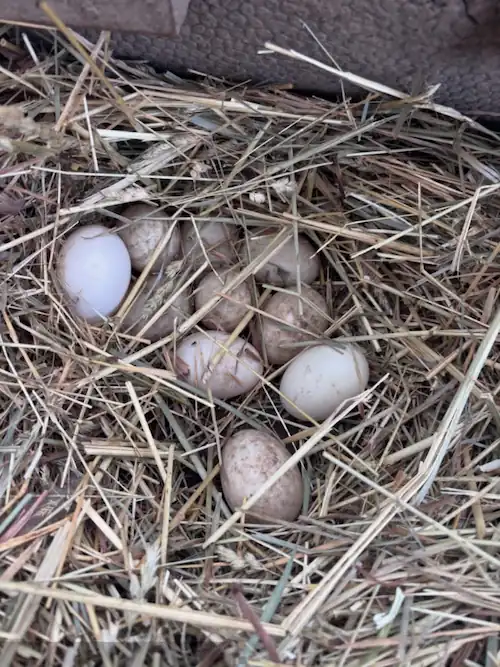
Peak Years and Gradual Decline
Ducks usually hit their peak egg production in the first 2 to 3 years. During this time, eggs come regularly and are at their best size and quality. After that, production slowly tapers off. My older ducks still lay eggs, but fewer and smaller ones; that’s completely normal.
When Ducks Stop Laying Eggs
- Molting: Molting is the annual feather replacement. During this time, ducks usually stop laying or slow way down. It can last a few weeks to a couple of months, depending on the duck.
- Broodiness: Some ducks go broody. They want to sit on eggs to hatch them. While a duck is broody, she usually stops laying entirely. Collecting eggs daily can help prevent broodiness if your goal is consistent egg production.
- Environmental Stress: Sudden changes, loud noises, predators or moving ducks to a new area can all cause them to stop laying temporarily. Even small disturbances can create a short pause in egg production. Keeping routines steady and minimizing stress goes a long way.
Caring for Laying Ducks
Taking care of ducks isn’t about collecting eggs; it’s about giving them what they need to stay happy and healthy. The better you care for them, the more consistent their laying will be.
Feed Them Right
Ducks need the right balance of protein and calcium to lay well. Too many treats or scraps can upset their diet, so keep the main feed the focus. Water is more than just for drinking.
Ducks love to rinse their food and keep their nostrils clean, which helps digestion and overall health. I always make sure my ducks have clean water available at all times, and it shows in the number and quality of their eggs.
Providing ducks with the right treats can support their overall health and egg production.
Ensure Proper Housing
A dry, well-ventilated coop with safe nesting boxes matters a lot. Ducks feel secure, predators stay out, and eggs remain safe. Automatic coop doors are great if you want to protect your flock without stressing them out.
Keep Stress Low
Stress can stop ducks from laying faster than anything else. Try to keep routines consistent. Give enough space, and introduce new ducks slowly. Protect them from predators and sudden changes. Even small changes, like moving feeders around, can temporarily pause egg production. Calm ducks are productive ducks.
Collect and Store Eggs Smartly
Grab eggs every day to prevent broodiness and keep them clean. Store them properly so they stay fresh. Simple wire egg baskets make this easy. I like to collect eggs twice a day during peak season; it keeps the ducks laying and prevents broodiness.
Ethical Tips for Maximum Production
You don’t need to push ducks to their limits to get more eggs. Focus on good nutrition, clean housing, and stress-free routines. When ducks feel comfortable and safe, they’ll reward you with steady egg production naturally. It’s a fact that prioritizing their welfare always leads to better results than forcing anything.