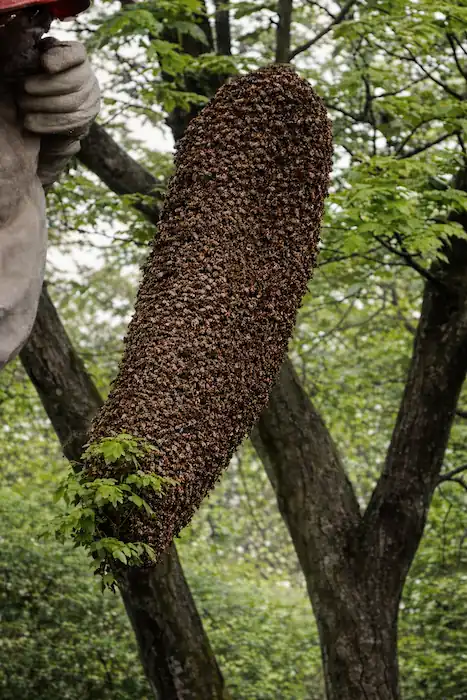
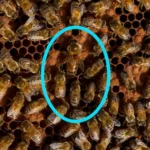
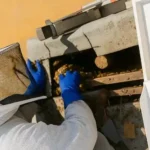
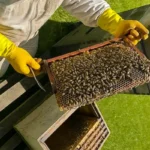
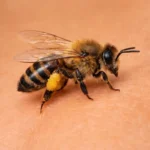
A bee swarm happens when a big group of honeybees, along with their old queen, leaves their current hive to start a new home somewhere else. You’ll often see them hanging together in a tight, football-sized (or even bigger!) cluster on a tree branch, fence post, or other temporary spot. Even though it looks a little scary, swarming bees are usually very calm; they’re not trying to sting anyone. They’re full of honey and busy figuring out where to move next. Unlike a hive that’s defending itself, a swarm isn’t aggressive.
Swarming honey bees behave very differently from bees defending a hive. Since the old queen and workers are focused on finding a new home, stings are uncommon unless the swarm is disturbed. If you’re unsure about the risks, this article on do honey bees sting, including causes and treatment, explains what to expect and when stings are most likely to occur.
Reasons for Bees Swarming?
Swarming is just one stage in the broader life cycle of bees. Honeybees swarm mostly because it’s their natural way of reproducing and spreading to new homes. It’s not a sign of panic or danger; it’s how a strong colony makes new colonies.
1. Natural Colony Reproduction
Swarming is essentially how one healthy colony becomes two. When conditions are right, the hive gets big and strong enough that the old queen, along with a chunk of the worker bees, leaves to start a new colony elsewhere. This ensures the species spreads and survives in changing environments.
The age and role of bees within a colony play a big part in swarming behavior. Worker turnover, queen aging, and seasonal population changes all influence when a hive is likely to swarm. Knowing how long bees live helps explain those internal colony dynamics.
2. Overcrowding and Lack of Space
As a hive grows, it can become too crowded. Too many bees crammed together with little room for honey storage and brood (baby bees) makes the colony feel tight and uncomfortable. When space runs out, this triggers the swarm instinct; the bees decide it’s time to find a new home with more room.
3. Old or Weak Queen
The queen bee produces pheromones, chemical signals that help keep the colony organized and calm. As she ages, her pheromone levels drop. When the colony senses weaker pheromone signals, it may start preparing new queens and trigger a swarm so the old queen can lead part of the colony away.
4. Pheromone Changes Inside the Hive
Even if the queen is healthy, a hive packed with thousands of bees can dilute the queen’s pheromones because they can’t reach every bee effectively. When the pheromone signal weakens enough, the workers take that as a cue to begin swarm preparations, with more queen cells being built.
5. Strong Spring Resources
Swarming usually occurs in spring and early summer when flowers are blooming, and nectar is in abundance. Lots of food means the colony is strong and growing fast. This surge in population can push the hive past its comfortable limit, making swarming more likely.
6. Environmental Conditions
Heat, poor ventilation, and poor interior hive airflow can make conditions feel “too hot” or stuffy for bees. When it’s hard to regulate temperature or humidity, bees may decide that moving gives the colony a better chance of thriving.
7. Genetics and Bee Strain
Some honeybee strains are naturally more prone to swarming than others. Genetics can influence how strongly a hive feels the impulse to split, which is why beekeepers sometimes select for gentler, less swarm-inclined stock.
8. Resource Signals & Queen Cell Building
Internally, worker bees monitor the availability of empty cells for brood and honey. If there are too few empty cells, especially after a rush of nectar, the colony may interpret this as overcrowding and start creating queen cells, which can lead to a swarm.
The swarming process usually goes like this: the bees build new queen cells, the new queen hatches, and then the old queen flies away with a chunk of the colony to find a new home.
When people see a swarm, the first fear is usually getting stung. Understanding which bees can sting and which rarely do helps explain why swarming bees are typically calm and not aggressive.
Spotting a Bee Swarm Before It Happens
Many new beekeepers first encounter swarming because they’re still learning how colonies grow and expand. A solid foundation makes swarm management far less overwhelming. Our beginner’s guide to starting beekeeping walks through the basics that help prevent common swarming mistakes.
For beekeepers, noticing the early signs of a swarm can save you a lot of headaches and prevent losing part of your colony.
Things to Look for Inside the Hive
Queen Cells (Swarm Cells): These are long, peanut-shaped cells usually hanging from the bottom of the frames. If you see a bunch of them, it’s a red flag that your bees might be thinking about moving out.
Crowded Brood Nest: If the bees are packed so tightly that almost every frame is covered and there’s hardly any empty comb, they might be getting ready to split.
Bees “Bearding”: In warm weather, you might notice large clusters of bees hanging outside the hive entrance. It’s their way of cooling the hive, but it can also be a sign of congestion.
Less Activity Outside: Sometimes the bees just don’t seem as busy foraging. That’s because they’re focused on preparing to leave.
Behavior to Watch
The old queen slims down, moving with a deliberate, purposeful grace, as if sensing the journey ahead, while the rest of the hive buzzes with restless energy. Bees fidget and shift constantly, their anticipation almost palpable, a hive alive with the tension of an impending move.
Check your hives weekly during swarm season (usually spring). Even just a quick peek for queen cells, congestion, or bearding can give you a heads-up before the swarm actually happens. From personal experience, spotting just one or two swarm cells early can save a whole colony from unexpectedly leaving.
How to Prevent Swarms
Swarming is a natural part of honeybee life, but for beekeepers, it can mean losing a portion of their colony if they’re not prepared. The goal of proactive swarm management is to address the triggers, mainly overcrowding and the urge to replace an old queen before the bees decide to leave. Here’s a closer look at effective strategies and practical tips.
Preventing swarms isn’t about stopping bees from behaving naturally. It’s about giving them what they need to stay happy and productive. Overcrowding, limited space for honey or brood, and aging queens are the main triggers that push a colony to split. By addressing these factors early, you can keep your hive strong and productive.
Creating New Colonies
One of the most effective ways to prevent swarming is to split a strong colony into two or more smaller hives. This relieves congestion immediately and mimics the natural swarming process.
Don’t wait until your hive is packed to the brim. Splitting early in the season can reduce stress and promote healthier colonies. The trade-off is that your original hive may produce slightly less honey that year, and you’ll need extra equipment to manage the new colonies.
Strong, healthy colonies showing early signs of congestion or developing queen cells.
Fresh Leadership for the Hive
Swarming is closely tied to queen development. Before a swarm leaves, worker bees raise new queens to take over the original hive. To better understand this process, our article on how a bee becomes a queen explains queen cell development and why queen replacement often triggers swarming behavior.
Replacing an old queen with a young, vigorous one can reduce the swarm impulse significantly. A new queen brings fresh genetics and renewed energy to the colony.
Keep track of your queen’s age and condition; older queens are much more likely to trigger a swarm. Regular requeening is a simple way to maintain colony stability. Colonies with aging or failing queens, or those that have shown chronic swarming behavior.
Adding Supers: Giving Bees Room to Grow
Sometimes the simplest solution is the best: just give the bees more space. Adding extra boxes (supers) and frames allows for honey storage and brood expansion, reducing congestion.
Stay ahead of your colony’s growth; adding supers too late can make little difference. This method works best as a season-long preventative measure. Growing colonies approaching crowding, particularly during strong nectar flows.
After a swarm settles into a new location, food availability becomes critical for survival. Providing the correct sugar water ratio can help newly established colonies build comb and stabilize quickly.
Removing Queen Cells
Inspecting the hive for swarm cells and removing them can temporarily suppress the swarming impulse. While it doesn’t solve the underlying causes, it buys you time to take other preventive steps.
This is labor-intensive and often needs to be repeated, so combine it with methods like splitting or requeening for best results.
Checker boarding: Encouraging Expansion
Checker boarding involves alternating empty comb or foundation frames with brood and honey frames in the brood nest. This can disrupt the bees’ swarming instinct and encourage them to expand into the supers instead.
This is an advanced technique that needs careful timing and strong colonies. Effectiveness can vary depending on hive conditions.
The Psychology of Swarming
For many beekeepers, especially beginners, swarming feels like failure. For myself, I’ve taken it as a sign of a strong and thriving colony. True beekeepers always see swarming as a natural indicator of success. It helps reduce stress and builds confidence over time.
Understanding the swarm cycle turns anxiety into problem-solving. Instead of reacting with panic, you should approach swarm management as an engaging challenge. Connecting with local beekeeping groups adds both practical help and emotional support, making the entire process far less overwhelming.
Turning Swarms into Opportunity
Swarming doesn’t have to be something you simply try to stop. It can be something you use to your advantage. Controlled splits allow beekeepers to guide the natural urge to swarm toward planned growth, keeping bees, genetics, and productivity within the apiary rather than losing them to the wild. Compared to chasing a swarm after it leaves, proactive splitting is calmer, more reliable, and far more rewarding.
Building a Resilient Apiary
Creating nucleus colonies strengthens the entire apiary by providing backup queens and extra colonies that can step in when problems arise. This approach reduces risk, improves long-term hive health, and gives beekeepers more flexibility throughout the season. Being prepared with extra equipment and keeping clear records of hive strength, queen age, and past swarming behavior makes expansion smoother and more predictable.
When a Bee Swarm Shows Up: What to Do and What Not to Do
If You’re a Homeowner or Just Passing By
Seeing a big ball of bees can be scary, but the first thing to remember is this: swarms are usually calm. These bees aren’t defending a hive; they’re just taking a break while looking for a new home.
The best thing to do is stay calm and keep your distance. Don’t poke the swarm, spray it with water or chemicals, or try to move it yourself. That almost always makes things worse. Keep kids and pets away and give the bees some space.
If the swarm needs to be removed, calling a local beekeeper is the safest and most bee-friendly option. Many beekeepers are happy to collect swarms for free. Pest control should be a last resort, since exterminators often kill the bees rather than relocate them.
It also helps to clear up a few common myths. Swarms are not aggressive, and they’re usually not settling in permanently. Most swarms move on within a day or two.
Safe Swarm Capture and Rehoming (For Beekeepers)
Start by checking where the swarm is located and how easily it can be reached. Swarms on low branches are much easier to manage than those high up. Size matters too. Larger swarms need more planning. Even though most swarms are calm, always be ready in case they’re more agitated than expected.
One of the simplest methods is to shake or gently brush the swarm into a hive box or nuc. Once the queen is inside, the rest usually follow.
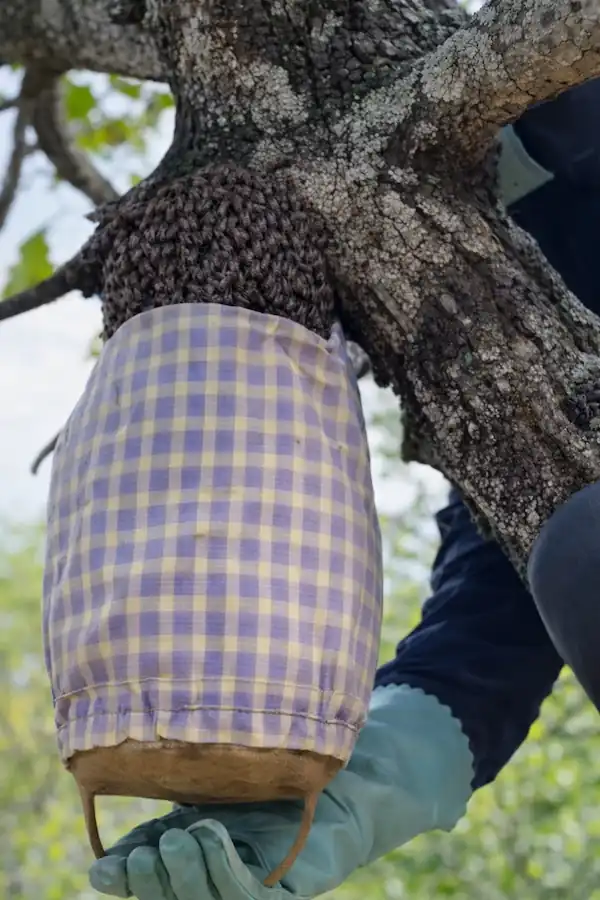
Another option is to scoop the bees into a bucket or basket and transfer them to a box. Swarm traps can also work well, especially if placed in areas where swarms are common.
Rehoming the Swarm
After capture, place the new hive in a suitable location and give the bees some light feeding to help them get established. Over the next few days, watch for signs that the queen is accepted and that brood is being laid. This early care makes a big difference in how well the new colony settles in.
Always wear protective gear, even if the bees seem gentle. Having tools like a ladder, pruners, a brush, and a secure box ready keeps the process safer and smoother.
Joining a local beekeeping club is one of the best moves you can make. Many clubs have swarm call lists and experienced members who are happy to help or mentor new beekeepers during their first captures.
David Carter, founder of Farmstead Guide, has over 20 years of hands-on homesteading experience. From raising poultry to practicing sustainable farming, he shares practical tips and insights to help others live a more self-sufficient lifestyle.